Facebook marketing for chiropractors is the practice of running a chiropractic Facebook page and paid ads as one integrated plan to book new patients at $50 to $100 all-in. It combines 3 to 4 organic posts a week that warm your local audience with $600 to $1,500 a month in paid spend on a 5 to 10 mile radius around the office.
For a solo or two-provider practice, this is still the paid channel where the math works. Google Ads pits you against DSOs bidding $28 a click on the same terms. Facebook lets you show one specific offer to the right neighborhood at $8 a lead and keep the calendar full. That gap is the whole reason chiropractors keep coming back to paid social even after every iOS privacy cut.
This is the full program we run for chiropractic clients at Redefine Web. Organic mix that warms the audience so paid does not have to work cold. Ad structure that books first visits instead of harvesting likes. Targeting settings that still work after the iOS privacy cuts. Budget math for solo and two-provider offices, and the offer stack that turns a $1 click into a $2,400 lifetime value patient. About eight minutes end to end.
Facebook marketing for chiropractors starts with the mix
Two tracks have to run at the same time. Organic posts on your practice page build local trust, feed the pixel warm audiences, and give paid ads a page worth clicking into. Paid ads bring the volume organic can’t match. Running paid alone wastes 30 to 50% of budget on cold audiences that would convert cheaper if they had seen the page first. Cut either track and you kill the ROI on the other.
The best mix at a solo practice is 3 to 4 organic posts a week and $600 to $1,500 a month in paid ads targeting a 5 to 10 mile radius. Organic keeps the page alive, feeds retargeting pools, and shows up in local recommendations when patients ask the neighborhood Facebook group for a chiropractor. Paid does the volume work of putting your offer in front of local strangers who fit the target profile.
Social media marketing for chiropractors organic mix
The organic content mix for a chiropractor page runs three post types on rotation. Educational posts explain a condition or a treatment in 90 to 150 words. Social proof posts share a patient testimonial or a 5-star review with permission. Behind-the-scenes posts show the doctor, the treatment room, or a staff moment. That rotation keeps the page from feeling like an ad channel and builds the trust that makes paid ads convert.
Posting frequency that matches Facebook’s algorithm
Facebook’s algorithm now rewards 3 to 5 posts a week for local business pages. Fewer than 3 and reach drops sharply within a month. More than 5 and each post cannibalizes the reach of the others. Post between 7 and 9 AM local time on weekdays for educational content, and between 5 and 7 PM for social proof and behind-the-scenes content. Weekend posts see 30% lower reach for healthcare pages, so save those slots for scheduling routine updates instead of primary content.
The Facebook ad structure that books chiropractor first visits
The structure that works is a three-campaign stack. Campaign one is cold acquisition to a 5 to 10 mile radius with a single first-visit offer. Campaign two is retargeting that shows a 60-second testimonial video to anyone who visited the site or watched 25% of the cold video. Campaign three is a lookalike built off your existing patient list to find people who match your best current patient profile. Same account, three jobs, three creative angles.
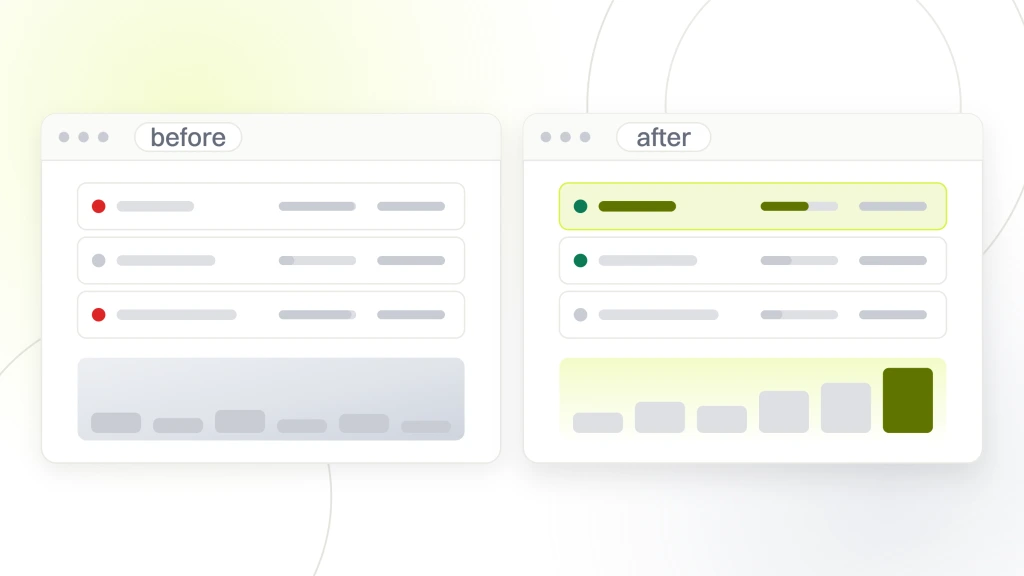
Budget splits about 50% to cold acquisition, 30% to retargeting, and 20% to lookalike. That mix keeps the top of the funnel filled and retargeting closes the visitors who didn’t convert on the first touch. Practices that put 100% of budget on cold acquisition see cost per booked patient climb 40 to 60% because they never give warm visitors the second chance that closes them.
| Campaign | Budget share | Target metric | Cost benchmark |
|---|---|---|---|
| Cold acquisition | 50% | Cost per lead | $8 to $18 |
| Retargeting | 30% | Cost per booked visit | $45 to $85 |
| Lookalike | 20% | Cost per lead | $12 to $22 |
Cold acquisition creative that stops the scroll
Cold acquisition ads need creative that stops the scroll in half a second. The formats that work best for chiropractors are 15-second doctor videos filmed vertically for feed and reels, before and after posture photos with a soft-focus patient face, and single-image ads showing a specific pain point like “Sciatica keeping you up at night.” Skip stock photos of spines. Every chiropractor page runs those. Patients scroll past them without processing.
Retargeting creative that closes warm visitors
Retargeting creative should assume the viewer already knows who you are. Show a 60-second patient testimonial video. Show a limited-time first-visit offer. Show a doctor Q and A answering the exact objection most patients raise. The retargeting audience is the highest-converting group in the entire funnel because they already showed intent. Don’t waste that attention on brand awareness content. Get to the ask.
Facebook ad marketing for chiropractors targeting that still works
Targeting looks nothing like it did five years ago. Detailed interest filters got cut down after the iOS privacy update, and Meta stripped most of the health-condition interests out. What replaced them is location plus age plus a broad interest layer, with the algorithm doing the work based on conversion signals from the pixel. Good news, you no longer have to guess audiences. Bad news, you have to feed the algorithm real conversion data or it stays blind.
The targeting that works today for a solo chiropractor practice is a 5 to 10 mile radius around the office, ages 28 to 65, and an interest layer around health and wellness or physical fitness. Don’t narrow beyond that. The more filters you stack, the smaller the audience gets and the more Facebook charges per impression to reach a shrinking pool. Broad targeting with strong creative outperforms narrow targeting with weak creative every time in 2026.
Radius setup for solo and multi-location practices
Solo practices should start with a 5-mile radius and expand to 10 miles if the audience size drops under 50,000. Multi-location practices should run one campaign per office with a 5-mile radius each and let Facebook allocate spend based on which office produces the cheapest conversions. Don’t run one campaign covering all locations. That structure hides which office is driving results and stops you from routing patients to the nearest chair.
Conversion events the pixel needs to see
The Facebook pixel needs at least 50 conversion events per week to optimize toward a booked visit. If your site doesn’t produce 50 form fills or booked visits a week yet, optimize toward a mid-funnel event like “lead” for form fills or “view content” for high-intent page visits. Then move up the funnel as volume grows. Trying to optimize toward booked visits with only 10 events a week keeps the algorithm blind and drives cost per lead 40% higher than it needs to be. See Meta’s conversion events documentation for the setup.
The offer stack that turns clicks into first visits
The offer is the single biggest lever in the whole plan. Every ad needs one specific offer that answers the exact question a patient is already asking. “Free 15-minute posture consult” beats “Book an appointment” by 3 to 5x. “$49 new patient exam including x-rays” beats “Call for pricing” by 4 to 6x. Creative gets credit, but the offer decides whether the campaign works. Weak offer with strong creative loses to strong offer with average creative every test we’ve run.
The offers that work best for chiropractor Facebook ads in 2026 are a $49 to $79 new patient exam bundle, a free 15-minute consult with the doctor, and a specialty offer tied to a specific condition like “free posture screen for desk workers.” Rotate three offers on cold acquisition to see which converts best. Then double down on the winner for the next 90 days. Better creative never rescues a weak offer. Strong offers work even with average creative.
- $49 new patient exam including x-rays and consult
- Free 15-minute posture or pain consult with the doctor
- Free desk-worker posture screen tied to office ergonomics
- Auto accident recovery consult with insurance coordination
- Pediatric or pregnancy chiropractic consult for specialty practices
Landing page rules for Facebook ad traffic
Every Facebook ad should send traffic to a dedicated landing page, not to the homepage. The landing page copy needs to match the ad copy word for word in the H1. The offer from the ad needs to sit above the fold. A three-field form needs to sit above the fold on mobile. And a click-to-call button needs to be one thumb press away. Sending Facebook traffic to a homepage cuts conversion 60 to 80% because the visitor loses the scent of the offer they clicked on.
Offer testing on a 90-day cycle
Test three offers on cold acquisition for 30 days. Move the winner to the primary spend allocation. Test two new offers against the winner every 90 days. Never let the offer stack go stagnant. Facebook fatigue on any single ad kicks in after 6 to 8 weeks and cost per lead climbs. Fresh offers reset the fatigue clock and keep cost per lead in the target range. Track offer performance in a simple sheet and archive underperformers rather than trying to fix them.
Budget math for a solo chiropractor Facebook plan
Here is the math for a solo practice. $1,000 a month in ad spend at a $12 cost per lead produces 83 leads. At a 25% booking rate that is 20 new first visits. At a $2,400 lifetime value per patient that is $48,000 in new revenue against $1,000 in ad spend plus $400 in management overhead. The ROI covers the plan several times over even with conservative retention assumptions, and every $200 of monthly spend added to the top of the funnel compounds inside 60 days.
Practices trying to run Facebook on $200 a month usually see poor results and blame the channel. The real problem is volume. Facebook needs at least $30 a day in ad spend to produce enough conversion events for the algorithm to optimize. Below that, you are just paying for impressions with no learning happening. If your budget cap is under $600 a month, run Google Business Profile and SEO first, then add Facebook when the budget can support at least $30 a day.
Scaling budget once the funnel is working
Once cost per booked visit stabilizes under your target, scale budget by 20% every two weeks. Faster scaling triggers Facebook’s learning phase to restart and cost per lead spikes for 5 to 7 days. Twenty percent every two weeks lets the algorithm adjust smoothly. Practices that jump from $1,000 to $3,000 a month overnight often watch cost per lead double for the first 10 days before it settles. Slow and steady scaling protects the unit economics.
Kill criteria for underperforming ads
Set kill criteria before you launch any ad. An ad that spends $150 with zero leads should be paused. An ad running cost per lead 40% above the target for 7 straight days should be paused. An ad with frequency above 4 should be refreshed. Sticking with underperformers because you spent a Saturday making them is the fastest way to burn a Facebook budget with nothing to show for it. Kill early. Test often.
Creative formats that book chiropractor first visits
Three creative formats produce most of the results. 15 to 30 second doctor videos filmed vertical. Single-image ads with a specific pain point in the headline. Short carousels showing the treatment room plus one before-after story. Video wins on cost per lead. Single images win on speed of production. Carousels win on retargeting audiences that already know who you are. Rotate all three every 30 days so no single format burns out the audience.
Doctor videos should be filmed vertical, 9:16 aspect ratio, in the actual office. Skip the studio setup. Patients respond to authentic footage from the space they will visit. Add captions. 85% of Facebook users watch videos on mute. The first three seconds decide whether the viewer keeps watching or scrolls past. Open with the specific pain point, not a brand intro. “Waking up with lower back pain?” beats “Welcome to our practice” every single test we’ve run.
Video scripts that convert
A working chiropractor Facebook video script runs 20 to 30 seconds and follows a four-beat structure. Beat one, name the pain point in the first three seconds. Beat two, explain the treatment approach in one sentence. Beat three, show a specific result you can prove. Beat four, state the offer and give the CTA. That structure hits every conversion trigger without feeling like a hard sell. Film three variations of every script and test which opening beat produces the lowest cost per lead.
Image ad headlines that stop scrolls
Single-image ads live or die on the headline. Use the specific pain point in the first four words. “Sciatica pain interrupting your sleep” outperforms “Feeling back pain today” by 40% on click-through. Add a bold color box behind the headline text so it reads at scroll speed. Use a real patient photo when consent allows, or a doctor photo with the office visible. Stock photos of spines and generic wellness images get scrolled past in half a second by every patient who has already seen 15 of them this week.
Chiropractic case study on marketing with Facebook ads for chiropractors done right
Pain Cure Clinic came to us running scattered boosted posts against a saturated market and heavy patient skepticism about chiropractic care. The website lacked condition-focused content, testimonials were sparse, and paid ads delivered poor returns because there was no funnel to close them. The team assumed digital marketing did not work for their vertical. The real problem was upstream. There was no offer clarity, no landing page match, and no education layer to warm cold traffic.
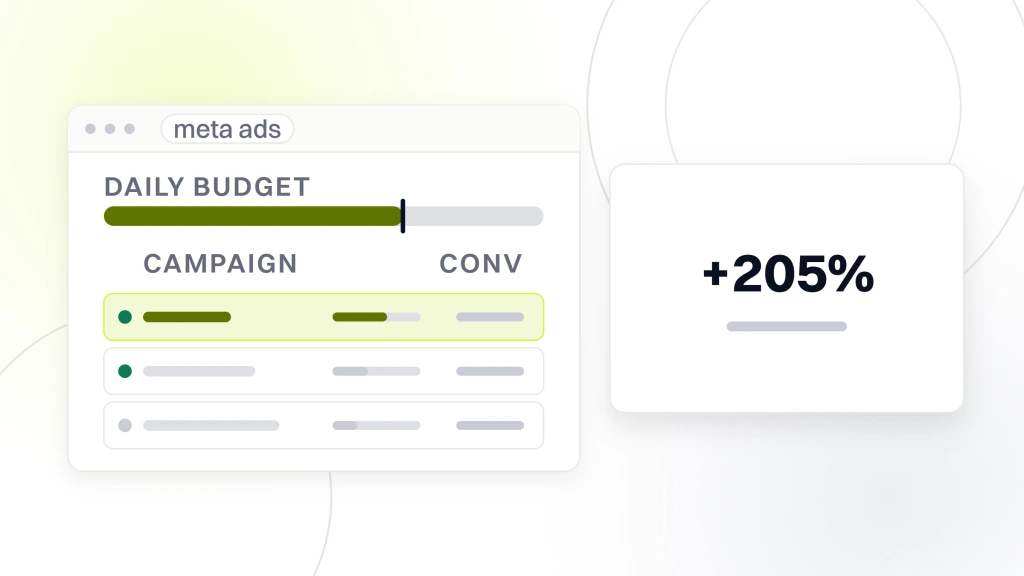
We rebuilt the paid social stack alongside condition-specific SEO content, a GBP push, and segmented email automation. High-intent Facebook and PPC ads pointed to landing pages that matched the ad copy. Referral incentives and online booking closed the loop. Patient appointments grew 205%, averaging 122 monthly versus 40 previously. Organic traffic climbed 289%. Reviews increased 162%, taking the Google rating from 4.3 to 4.9 stars. Same practice, same market, one integrated plan behind it.
What worked in the rebuild
Three things carried the result. Condition-specific landing pages instead of one homepage catching every ad click. Nurture sequences instead of trusting the form fill to book itself. Conversions API instead of default pixel reporting that was under-counting bookings by 40%. Every one of those pieces transfers to any chiropractor practice at any scale. See our chiropractor marketing services page for the operational layer under an ongoing paid social engagement.
Chiropractor-specific transfers
A solo practice can run the same playbook on a smaller budget with proportional results. $1,000 a month at a $12 cost per lead buys 20 to 25 new first visits at $50 to $100 cost per booked patient. Add the retention layer from our email marketing for chiropractors playbook and the same patients come back over 6 to 12 months at a lifetime value that makes the Facebook math work three ways over.
Common Facebook marketing mistakes chiropractors make
The most common mistake practices make is boosting posts instead of running structured campaigns through Ads Manager. Boosted posts optimize for engagement, not conversions, so your $500 boost budget produces likes and comments but almost no booked visits. Always run campaigns through Ads Manager with a booked-visit or lead conversion objective. That single change usually doubles cost efficiency on the same spend.
The second most common mistake is running the same ad for six months and wondering why cost per lead climbed. Facebook fatigue is real and kicks in around week 6. Refresh creative on a 90-day cycle at the latest. The third mistake is skipping the pixel, which turns your ad account into a black box that can’t optimize toward booked patients. Install the pixel on day one. Set up conversion events for form fills, phone clicks, and booking submissions. Then let the algorithm work.
Why boosted posts almost never work
Boosted posts default to a reach or engagement objective. Facebook charges you to show the post to people most likely to like or comment, not to people most likely to book a visit. Those are different audiences. A campaign run through Ads Manager with a lead or conversion objective can cost 30 to 50% less per booked patient on the same budget. Always go through Ads Manager for anything with money on it. Boosting is for internal celebration posts, not patient acquisition.
Attribution gaps after iOS 14
Facebook attribution took a hit after iOS 14.5 privacy changes and never fully recovered. Expect Facebook Ads Manager to under-report booked visits by 20 to 40% versus your call tracker and CRM data. Trust your call tracker and CRM as the source of truth, not the Facebook dashboard. Set up Conversions API alongside the pixel to recover as much lost data as possible. See Meta’s Conversions API documentation for the setup, plus Meta on ad account structure for the campaign architecture side.
Reporting cadence for chiropractor social media marketing
Weekly reporting on a Facebook campaign for a chiropractor practice should fit on one page. Cost per lead this week versus last. Cost per booked visit this week versus last. Top three ads by cost efficiency. Bottom two ads by cost efficiency for the paused list. Frequency across all ad sets so you catch fatigue before it doubles your cost per lead. That single page drives every optimization decision for the following seven days.
Monthly reporting should widen the lens. Track cost per new patient booked, cost per patient who completed the first visit, and cost per patient who booked a second visit. The gap between booked and completed is your no-show rate, which usually runs 15 to 25% for first visits from Facebook leads. Cutting no-shows through better confirmation calls and reminder texts moves the effective cost per acquisition more than any ad optimization ever will.
The weekly huddle that catches problems early
Every Monday, spend 20 minutes on the Facebook ad account with your front desk lead. Review the weekly report. Confirm the top ads are still running. Pause anything above target cost per lead for 7 straight days. Refresh creative on any ad above frequency 4. That 20-minute weekly huddle catches most Facebook problems before they compound. Practices that check the account once a month find their budget already burned on stale creative when they finally look.
Monthly strategy review with the doctor
Once a month, review the campaign with the doctor for 30 minutes. Look at which conditions the top-performing ads target. Look at which offers drove the most booked visits. Decide whether to add a new offer for a specific condition based on what the calendar shows. That conversation keeps the marketing plan connected to what the doctor wants to treat more of, which is the whole point of running paid ads in the first place.
Start Facebook marketing for chiropractors this week
Start with three moves this week. Install the pixel and set up conversion events for form fills and phone clicks. Build one landing page for a $49 new patient exam offer with a three-field form above the fold. Launch one cold acquisition campaign at $30 a day targeting a 5-mile radius. Those three moves take about six hours of setup and put you in a position to test your first offer inside seven days.
Then commit 90 days before you evaluate. Facebook needs 30 days to exit the learning phase and another 30 to produce enough data for real optimization calls. Practices that pull the plug at week three never see the payoff. Give the plan a real runway. Our chiropractor marketing services page covers what an ongoing retainer looks like, and our social media marketing for chiropractors writeup covers the organic side that has to sit under the paid layer.