Website maintenance for pet brands keeps your DTC subscription checkout live, your grooming appointment widget booking, and your product catalog loading under 2.5 seconds on 4G mobile. Pet brands lose real revenue to broken checkouts, expired SSL certificates, and cart abandonment triggered by a plugin conflict pushed on a Tuesday night. Every hour of downtime is a subscription that never renews and a shopper who walks to Chewy for a bag of kibble.
This guide walks the pet brand website maintenance retainer Redefine Web runs with DTC subscription brands, retail shops on Shopify or WooCommerce, grooming salons on WordPress, and boarding facilities with real-time booking software. You get the monthly scope, the SLA structure, the plugin and theme audit cadence, the backup and recovery drill schedule, and cost tiers by brand size. Every play is field-tested against real client billing and real recovery incidents. If your pet brand runs on any CMS or ecommerce platform, this is the maintenance shape that pays for itself the first time it saves a checkout.
Website maintenance for pet brands in one page
A DTC pet website maintenance retainer covers five workstreams that keep the site online, fast, and converting every month. Core CMS and plugin updates on a staging-first workflow. Security monitoring with malware scans, firewall tuning, and login hardening. Speed and Core Web Vitals monitoring with monthly optimization. Backup and disaster recovery drills every quarter. Plus a real support SLA for downtime, broken checkouts, and appointment widget failures.
Every pet brand needs the five workstreams alive at once. A DTC subscription brand needs fast hosting for pet ecommerce and can’t afford a checkout that breaks on a Sunday night when Klaviyo emails hit and traffic peaks. A grooming salon that runs SEO for pet businesses can’t afford the booking widget going dark on a Saturday morning when 60% of the weekly appointments book. A boarding facility can’t afford the availability calendar to show wrong dates during the Fourth of July holiday. Maintenance retainers exist to catch these failures before revenue drops.
Redefine Web tracks four numbers monthly on every pet brand website maintenance retainer. Uptime across 30 days. Checkout or booking widget failure incidents captured and resolved. Average page load time on the top 10 pages on 4G mobile. Plus backup success rate with restore test outcomes. If those four numbers hold, the retainer is doing its job. Read the pet products hosting maintenance hub for the full retainer scope.
Core updates on a staging first workflow
Staging-first core updates are the part of website maintenance for pet brands that stops update conflicts from taking down the live site. WordPress core, Shopify theme updates, plugin updates, and theme updates never go to production first. Every update lands on a staging copy of the site, runs through a smoke test against the checkout, the appointment widget, and the top 5 landing pages, and only promotes to production when the smoke test passes clean.
The cadence runs weekly for security patches and monthly for feature updates. Security patches on core CMS and any plugin flagged by the WordPress security team go through the staging cycle inside 48 hours of release. Feature updates on non critical plugins batch into the monthly maintenance window. This split prevents the site from running unpatched security holes for weeks and stops the site from breaking on feature updates that weren’t urgent to install.
Plugin discipline matters as much as the update cadence. Every plugin on a pet brand site should earn its slot. A pet brand running 40 plugins on a WordPress install carries 40 potential failure points every Tuesday night. Cull plugins quarterly. Replace bloated stacks with lighter alternatives. A subscription plugin that pulls in 15 external scripts costs more revenue in lost checkout speed than the plugin’s monthly fee generates in features. See Kinsta’s WordPress maintenance research for plugin audit patterns.
Security monitoring and login hardening under a pet ecommerce maintenance retainer
Security monitoring is the part of a pet ecommerce maintenance retainer that stops a bot from stealing payment data from a compromised checkout or defacing the homepage before a Cyber Monday campaign. Pet brands attract two attack vectors. Payment card scraping on ecommerce checkouts. And credential stuffing on customer accounts to steal subscription auto renew data. Both need active monitoring, not passive plugins.
The base security stack has five layers. A managed firewall like Cloudflare or Sucuri that filters bot traffic before it reaches the origin. Daily malware scans on the file system that flag any unauthorized changes. Two factor authentication on every admin account and every third party integration login. IP based login rate limiting on the admin path. And weekly review of the WAF log for attack patterns targeting the site. Any pet brand running fewer than four of the five is running exposed.
Login hardening on the admin path prevents credential stuffing attacks that cost pet brands real subscription revenue every quarter. Rename the WordPress admin path off /wp-admin. Enforce two factor on every account. Rotate admin passwords every 90 days. Audit user roles quarterly and remove access from staff who left the company. Every unremoved account is a potential entry point. The Wordfence blog tracks the ongoing pet ecommerce attack research every operator should be reading.
Speed and Core Web Vitals monitoring on a DTC pet website maintenance retainer
Speed monitoring is the part of a DTC pet website maintenance retainer that keeps the site loading under 2.5 seconds on 4G mobile. Speed decays without maintenance. Every new plugin, tracking pixel, badly compressed hero image, or third-party embed pushes load time up. A pet brand that runs a subscription checkout and skips speed maintenance sees the checkout completion rate drop 5% to 15% inside six months.
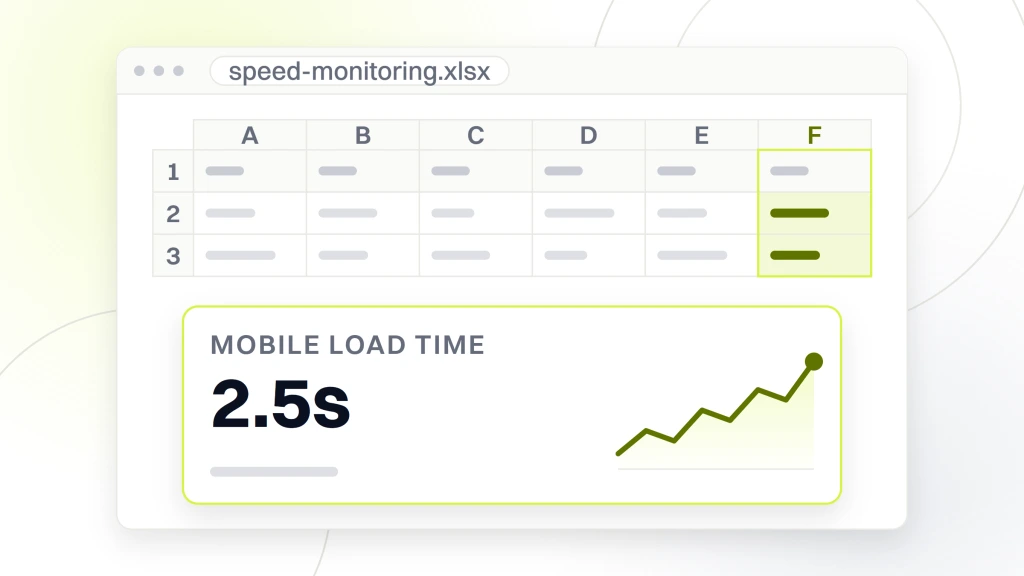
The monthly speed audit covers three checks. Largest Contentful Paint under 2.5 seconds on mobile field data. First Input Delay under 100 milliseconds. Cumulative Layout Shift under 0.1. Any page failing on any metric goes into the next monthly optimization cycle. The optimization work covers image compression to WebP or AVIF, JavaScript bundle trimming, third party script deferrals, and CDN tuning. Speed compounds. A brand that runs the monthly cycle for six months typically shaves 30% to 50% off page load time.
Core Web Vitals field data pulls from Google Search Console and Chrome UX Report. Lab data from PageSpeed Insights is a helpful debugging tool but doesn’t represent real user experience. Report on field data. Debug on lab data. This split matters. Google uses field data to grade the site in the search algorithm. A brand that only optimizes lab data can look green on PageSpeed Insights and still lose ranking. Read the Core Web Vitals reference on web.dev for the current metric definitions.
Backup and disaster recovery drills
Backup and disaster recovery drills are the part of a pet brand website maintenance retainer that catches the difference between a backup that runs nightly and a backup that actually restores when the site goes down. Every hour of downtime on a DTC subscription brand at peak traffic is $500 to $5,000 in lost checkout revenue. A backup that fails to restore turns a 4 hour incident into a 24 hour incident. Test the restore every quarter, not just the backup.
The backup stack has three layers. Nightly full database and file system backups stored in a geographically separate region from the origin. Weekly off site backups to a third party like S3 or Backblaze. And monthly downloadable archive copies retained for 12 months for compliance and audit purposes. Any single layer failing means the recovery time balloons. Multi layer redundancy is why serious maintenance retainers cost more than a single plugin subscription for automated backups.
The quarterly drill spins up a staging environment from the latest backup, runs a smoke test against the checkout, appointment widget, and top 5 landing pages, and documents the recovery time. Every drill produces a report the pet brand founder can review. Drills that reveal a restore failure trigger a backup stack rebuild before the next production incident. The drill takes 2 to 4 hours per quarter. The recovery time saved on a real incident pays back that quarterly investment ten to twenty times over.
Support SLA for downtime and broken checkouts
The support SLA is the part of website maintenance for pet brands that defines response time on real incidents. A DTC subscription brand with a broken checkout on a Sunday night can’t wait until Monday morning for a partner response. A grooming salon with a booking widget failure at 7am Saturday can’t wait until Monday. The SLA has to cover the peak revenue hours, not just business hours. Any retainer without a real SLA is a retainer waiting to fail on the highest revenue night of the year.
Three SLA tiers cover most pet brands. Business hours SLA at 4 hour response covers most small pet retailers and single location groomers. Extended hours SLA at 2 hour response covers 7am to 11pm, 7 days a week, for DTC subscription brands and multi location service brands. 24/7 SLA at 1 hour response covers large DTC brands, multi location chains, and any brand running a paid channel that peaks outside business hours. The tier matches the revenue exposure, not the size of the brand alone.
Every real SLA carries three elements. A response time definition tied to a monitored ticketing channel. An escalation path with two named engineers. And a monthly incident review that documents what broke, how it was fixed, and what will prevent the same failure next month. Retainers that skip the monthly incident review turn every incident into a repeat. Retainers that hold the review cut incident counts 40% to 60% inside the first six months.
Cost tiers for website maintenance for pet brands
Cost tiers for a pet brand website maintenance retainer run $199 to $499 per month on the Redefine Web canon, and every tier bundles the best hosting for pet websites. Hosting sits bundled inside every tier, so you don’t pay a separate hosting bill on top. A single location grooming salon on WordPress sits at $199. A pet supply shop on Shopify or WooCommerce sits at $299. A DTC subscription brand on Shopify Plus with an extended hours SLA sits at $499. Larger multi location chains and Shopify Plus catalogs above 10,000 SKUs run bespoke pricing on top of the base three tiers, but the core scope of updates, security, speed monitoring, backups, and support carries across.
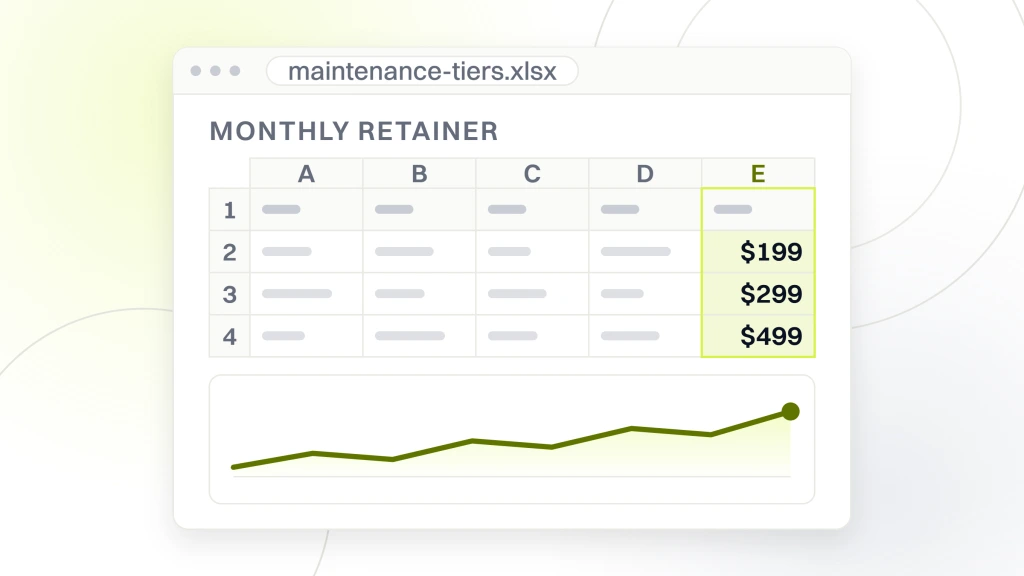
The table below breaks down the typical monthly split by brand size and platform. These are field averages across the pet brands Redefine Web maintains today, not a theoretical model. Every range is verified against real client billing and reported outcomes over multi year engagements. Brands that add a subscription checkout or a real time booking widget land in the higher end since those components need active monitoring beyond standard site maintenance.
| Brand size and platform | Monthly retainer | SLA tier | Backup cadence | Speed audit |
|---|---|---|---|---|
| Single location groomer WordPress | $199 | Business hours 4 hour | Nightly | Quarterly |
| Pet supply shop Shopify or Woo | $299 | Business hours 4 hour | Nightly plus weekly off site | Monthly |
| DTC subscription brand Shopify | $499 | Extended hours 2 hour | Nightly plus weekly plus monthly archive | Monthly |
| Multi location or Shopify Plus | From $499 bespoke | 24/7 1 hour | Full stack redundancy | Monthly plus incident driven |
Two cost mistakes to avoid. First, don’t underspend on the SLA tier to save $200 per month. Every incident that lands outside SLA hours costs more revenue than a full year of the higher tier. Second, don’t skip the quarterly disaster recovery drill to save a few billable hours. A single restore failure on a real incident costs 20 to 100 times more than a year of drills. Read the pet products marketing retainer for the marketing side of the retainer stack.
Platform specific notes for Shopify WooCommerce and WordPress
Platform-specific notes for website maintenance for pet brands change the workstream priorities by CMS. Shopify handles core updates automatically but breaks on app conflicts once you install five or more apps. Audit the app list quarterly. Every app adds JavaScript that fires on every page. WooCommerce needs manual core and plugin updates on a staging cycle and needs aggressive plugin culling. WordPress on shared hosting is where maintenance goes to die. Move to the managed hosting bundled inside the Redefine Web maintenance retainer first, then worry about the maintenance cycle.
Shopify Plus brings enterprise level control plus enterprise level complexity. The Liquid theme, the Ruby on Rails app scripts, and the checkout customizations all need version control on a Git repository. Any theme change goes through a Git pull request, not a direct edit on the theme editor. Multi location shops on Shopify Plus need location routing logic monitored monthly to catch shipping rate errors before customer complaints hit. A Surrey multi-business group that migrated a 10,000 product pet superstore off Drupal to nopCommerce with real time EPOS sync, ParcelForce fulfillment, SagePay checkout, and split cart click and collect proved the ceiling on this pattern. The site launched with 10,000 product lines live, real time EPOS sync running, and a loyalty scheme operational from day one.
WooCommerce on WordPress carries the highest maintenance burden of the three platforms. Core WordPress, WooCommerce core, payment gateway plugins, subscription plugins, shipping plugins, and theme frameworks all need coordinated updates. A staging environment isn’t optional. A weekly plugin audit isn’t optional. A managed host with WooCommerce specific caching rules bundled into the retainer isn’t optional above $50,000 in monthly ecommerce revenue. See the ecommerce WordPress maintenance guide for the full WooCommerce workflow. For the wider take on what a WordPress or Shopify site actually needs month to month, see our ecommerce website maintenance checklist.
How Passion Built maps to pet brand website maintenance retainer work
Passion Built is a local retail maintenance story that maps cleanly to pet brand maintenance work. The Sydney renovation brand came to Redefine Web with two underperforming websites, six ranking keywords, and a conversion rate under 1%. Inside twelve months, the stack stabilized on a single SEO-driven WordPress build, ranking climbed to more than 300 keywords, and the site converted 10% of new visitors, generating more than $60,000 in bookings across the first year. That’s the shape of what a real maintenance and rebuild retainer delivers when the base infrastructure stops failing.
Every play in that engagement applies to a pet brand without modification. Move to managed hosting so the base infrastructure stops failing on traffic spikes. Move updates to a staging first workflow. Cull the plugin list to the essentials. Set a real SLA tied to the revenue exposure. Run quarterly recovery drills. Passion Built ran renovation service intent. Pet brands run kibble subscription checkouts and grooming appointment widgets. The maintenance work is the same shape.
The transfer point for a pet brand is peak traffic patterns. A renovation brand has steady Monday to Friday traffic. A pet brand has Klaviyo email peaks on Sunday nights, Saturday morning grooming appointment rushes, and Fourth of July boarding demand spikes. The SLA and monitoring have to cover the peaks, not the averages. A pet brand on a business hours SLA that misses a Sunday night checkout failure loses more revenue in one incident than the extended hours SLA would have cost across an entire year.
Two extra maintenance plays make sense for a pet brand that Passion Built didn’t need. A subscription integration monitor that pings the Stripe or Klaviyo endpoints every 5 minutes and alerts on any failure to auto renew. And an appointment widget monitor that pings the booking software API every 5 minutes and alerts on availability endpoint failures. Both add $50 to $150 per month to the retainer and both catch failures before customers see them.
What pet retailers and vet networks show about maintenance and reporting
Two more Redefine Web case studies point at the reporting side of the retainer. A UK independent pet shop, Pet Shop · Independent Retail · UK, added a mobile first rebuild, a Google Business Profile overhaul for pet shop near me, a review velocity workflow at the till, and a daily Instagram plus Facebook cadence. Inside one quarter, calls and WhatsApp inquiries grew 158%, click and collect orders grew 212%, and the repeat customer rate grew 47%, all without growing the team or advertising spend. That’s what happens when a maintenance retainer sits alongside a mobile first rebuild instead of behind a broken desktop template.
Mission Pet Health, a veterinarian owned network of more than 400 animal hospitals, ran the reporting side at national scale. The network replaced fragmented paid media with a scalable, ROAS aligned framework, grew leads 54% year over year, beat the 12 month ROAS goal by 74%, and gained 11% ROAS efficiency at scale, all off standardized conversion tracking and consolidated account structure. For a multi location pet brand running a maintenance retainer, the same pattern applies. Standardize the monitoring across every site. Report on the same four numbers every month. Track incident count trending down over time.
Pet Insurance Australia proves the paid side depends on the site staying live. The insurer built a tight Google Ads engine with niche targeting, custom landing pages, and remarketing, and returned 455 conversions in 5 months at an 8.87% click through rate versus a 1 to 3% benchmark, a 31.06% conversion rate, and 1132% return on ad spend. Every one of those numbers assumes the landing page loads fast, the form submits without error, and the tracking script fires cleanly. Skip the maintenance retainer and the ad spend runs into a page that doesn’t convert.
Five numbers to track every month on a pet website maintenance package
Track 5 numbers monthly under a pet website maintenance package. Uptime percentage across 30 days. Checkout or booking widget failure incidents captured and resolved. Average page load time on the top 10 pages on 4G mobile field data. Backup success rate with quarterly restore test outcomes. And SLA response time compliance across every ticket opened in the month. Everything else rolls into those five. If the five hold, the maintenance retainer is doing its job.
Attach a real dollar figure to each. An hour of downtime on a DTC subscription brand at peak traffic is $500 to $5,000 in lost checkout. An hour of grooming widget downtime on a Saturday morning is 3 to 6 lost appointments. Once every failure carries a dollar cost, the maintenance retainer moves from cost center to revenue defense. Reporting that skips the dollar step is the reason so many brand founders cancel the retainer in year two, right before the failure it would have prevented actually hits.
The monthly report flags plugin or app additions the brand’s marketing or product team pushed without going through the maintenance queue. Every unmanaged addition is a future incident waiting to happen. Real maintenance partners catch these additions in the monthly audit and require any new plugin to run through the staging cycle before staying live. Brands that skip this discipline see incident counts double every quarter as the plugin list grows.
Pick the right maintenance partner for your pet brand
The right partner for a pet brand maintenance retainer depends on the platform, the revenue exposure, and the peak traffic pattern. A single location groomer on WordPress needs a partner strong on WordPress core, plugin culling, and a basic backup stack. A DTC subscription brand on Shopify needs a partner strong on Shopify apps, checkout monitoring, and Klaviyo integration health. A multi location chain needs a partner strong on multi site orchestration and per site incident reporting.
Three signals separate a real pet brand maintenance partner from a generic web agency. Field tested experience on the platform, meaning they know the specific plugin conflicts that break Shopify pet subscription checkouts or WooCommerce pet appointment widgets. Documented SLA and incident review process, meaning every incident has a monthly write up and the incident count trends down over time. Access transparency, meaning the hosting, backup, and monitoring accounts sit in your name, not theirs. Hosting bundled inside the maintenance plan should not lock you out of your own DNS or database.
Where to start this week depends on the state of your current site. If you had unplanned downtime in the last quarter, start with a full maintenance audit and a plugin cull. If uptime is fine but checkout speed is slow, start with a Core Web Vitals audit and image compression pass. If backups are running but never tested, start with a restore drill this week. Read the Kinsta WordPress maintenance library for the platform reference, and see the ecommerce website maintenance checklist for the monthly cadence.
Book the pet brand website maintenance conversation this week
A pet ecommerce maintenance retainer is a tight stack of work run every week. Staging first updates. Security monitoring. Speed and Core Web Vitals audits. Backup and disaster recovery drills. A support SLA tied to peak revenue hours. Hosting bundled inside the plan, not billed separately. Passion Built moved from two failing sites and six ranking keywords to a single stable site, 300 plus ranking keywords, and $60,000 in bookings across the first year on exactly this shape of program. Your pet brand hits the same math once the maintenance plan is real and the checks happen every week, not after the next incident.