SEO for food and beverage is the organic search program that pulls recipe searches, ingredient comparisons, and high-intent buyer terms into one funnel, then closes them on a DTC or retailer product page. The category behaves differently from most SEO verticals. A food shopper starts on a recipe query, moves to an ingredient comparison, and closes on a branded product query inside the same 7-day intent window on the same device. Every query type needs a matching content template, matching schema, and a clear conversion path back to the DTC catalog or the Amazon storefront.
This guide walks the keyword tree and schema stack Redefine Web runs with DTC food brands, beverage startups, and packaged CPG accounts pushing into retail. You get the keyword tree that actually converts, the technical checklist that protects the catalog, the reporting cadence that ties organic traffic to closed orders, and honest retainer costs. If the current program isn’t tied to real revenue, this is the scope the founder should hand the next partner.
Why SEO for food and beverage is different from other verticals
SEO for food and beverage splits the buyer path across 4 query types inside one intent window. A shopper looking for a keto snack starts on a recipe search, jumps to an ingredient comparison, checks reviews on a category comparison page, and closes on a branded product query, sometimes all within a week and often on the same phone.
Every query type needs a matching content template. Recipe queries need a recipe schema page with ingredient list, method steps, cook time, and nutrition data. Ingredient queries need a category page with clear pros and cons and honest sourcing notes. Comparison queries need a direct head-to-head against the top 3 category alternatives on the same shopping tab. Product queries need a fast product detail page with review schema, aggregate rating, and a clear price plus availability block ready for the search snippet.
The single largest win for SEO for food and beverage brands is a full recipe library built around the top 20 category recipes. A snack brand that publishes 20 recipe pages tied to the top 20 recipe queries in the category can double organic traffic to the DTC site inside 2 quarters. Most food SEO retainers miss this since the keyword strategy chases commercial queries only and ignores the recipe volume that feeds the top of the funnel. Read the food and beverage SEO page for the retainer scope Redefine Web runs on CPG accounts every month.
Keyword tree for a DTC food and beverage brand
A keyword tree for a DTC food brand splits into 4 branches. Recipe queries at the top of the funnel. Ingredient and category queries in the middle. Comparison and alternative queries near the bottom. Branded and product queries at the close. Every branch has a matching content type and a clear conversion path back to the DTC catalog.
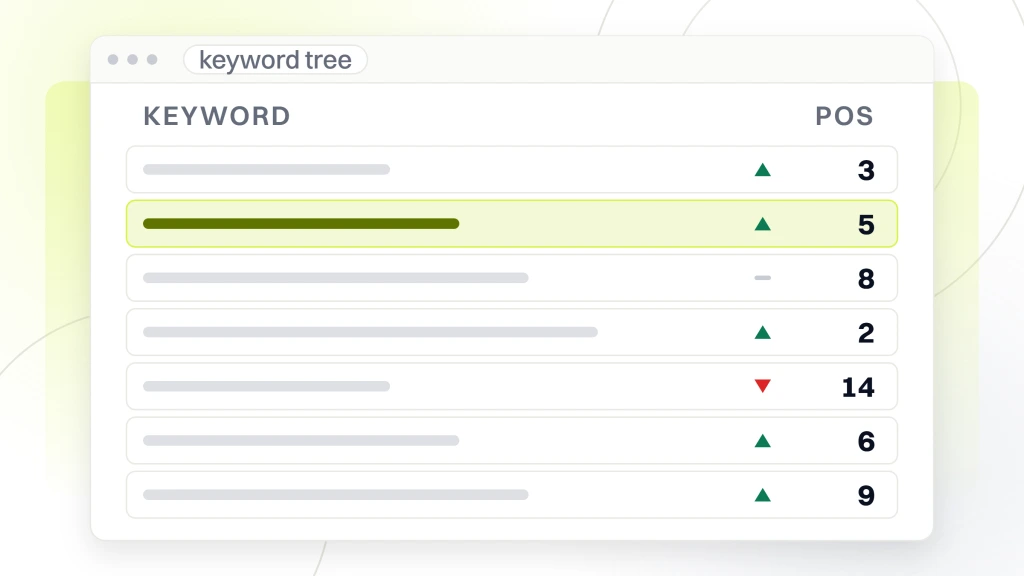
Recipe queries pull the largest search volume and the lowest intent for SEO for food and beverage. Ingredient queries pull category education searches where the reader is checking what the ingredient does, where it comes from, and how it stacks against alternatives. Comparison queries are the pre-purchase filter step where the reader has picked the category and is weighing 3 brands. Branded and product queries close on the site or the Amazon storefront and carry the highest conversion rate of the tree by 4 to 8 times.
Budget allocation across the tree follows the intent curve. A growth-stage DTC food brand runs roughly 40% of content spend on recipe queries, 25% on ingredient queries, 20% on comparison queries, and 15% on branded and product queries. A scale brand past 10 million in trailing revenue flips the mix and pushes more into comparison and branded work once the recipe library is already built out. The Google recipe structured data guide is the current reference every food brand should hit before publishing a new recipe page.
Long-tail queries move faster than head terms
Long-tail queries like “gluten free almond flour brownies” or “cold brew coffee bottle price” convert 3 to 5 times better than head terms like “brownies” or “coffee.” They rank faster too, often inside 60 to 90 days on a fresh domain. Start every content pillar with 30 to 50 long-tail variants before you touch head terms. That gives the brand real ranking wins in the first quarter of the retainer, which buys the runway to chase the harder head terms in quarters 2 and 3.
Schema markup every food and beverage brand needs
Schema markup for SEO for food and beverage covers 5 types across the catalog. Recipe schema on every recipe page with ingredient list, cook time, nutrition, and method fields filled in. Product schema on every product detail page. Aggregate rating schema pulling live review counts. FAQ schema on category and comparison pages. Organization schema on the home page and the about page.
Recipe schema is the highest-value type in SEO for food and beverage. It opens the Google recipe carousel on the top of the search page. A recipe page without recipe schema misses the carousel entirely and loses 40 to 70% of the impression opportunity for the query. Product schema on the DTC site pulls price, availability, and review count into the Shopping tab and the Google Merchant Center feed. Both types are non-optional on any food catalog past 20 SKUs.
Schema validation has to run monthly on a Search Console audit plus a live Rich Results Test on every top revenue page. A Shopify theme update that drops product schema on the top 10 SKUs is not visible in the admin but is visible to Google inside 48 hours, and Shopping tab impressions drop 15 to 30% the same week the schema breaks silently. See the monthly website maintenance packages page for the schema audit scope Redefine Web runs on every food client retainer.
Nutrition and allergen fields belong in the schema
Fill the calories, fat, protein, and sodium fields in the recipe schema, not just the visible copy. Google pulls those numbers into the recipe card on mobile results, and 42% of recipe clicks in 2026 come from users filtering for a dietary need. Add allergen call-outs (contains dairy, contains nuts, gluten free, vegan) as visible copy plus schema properties on every recipe. That single addition can move recipe click-through from 3% to 6% on the same ranking position.
Technical SEO checklist for food ecommerce sites
The technical checklist for SEO for food and beverage ecommerce covers 8 items every month. Field speed data from real users, not lab data. Mobile usability across every product page. Broken link scan across the whole property. XML sitemap freshness inside 48 hours of a new product launch. Robots.txt review for crawl blockers on the checkout path.
The rest of the checklist covers canonical tags on every duplicate product variant, structured data validation across the 5 schema types, and Search Console coverage plus rich results reports. Site speed carries the most weight on SEO for food and beverage sites. A food brand runs on Shopify or WooCommerce with a Klaviyo pop-up, a subscription plugin, a review app, and a shipping calculator that all load JavaScript on the same page. LCP field data on mobile has to hold under 2.5 seconds on the top 10 revenue pages every month.
Miss that mark for a full quarter and branded search rankings drop as Google recategorizes the page under low-quality mobile experience. The single most common break on a food ecommerce site is the canonical tag on product variants. A snack brand that sells the same SKU in 3 flavors and a mystery box bundle needs a canonical strategy that consolidates ranking signal to the primary product page. Miss the canonical work and Google splits the ranking signal across 4 variant pages, and the branded query falls out of the top 3 inside 6 weeks. The fix is a canonical audit every quarter and a variant handling policy documented inside the SEO retainer scope from day one.
Content pillars for SEO for food and beverage retainers
Content pillars inside a food SEO retainer split into 4 families with clear ownership. Recipe pillars on the top 20 category recipes plus seasonal variants. Ingredient pillars on the top 15 category ingredients. Comparison pillars on the top 10 head-to-head matchups against category competitors. Buyer guide pillars on the top 5 decision paths that funnel to the DTC checkout at the close.
Recipe pillars carry the biggest impression volume and the lowest conversion rate. Ingredient pillars carry the biggest link-earning volume. The ingredient page ranks well and attracts backlinks from recipe blogs and health content sites. Comparison pillars carry the highest commercial intent per view and convert at 5 to 8 times the recipe rate. Buyer guide pillars are the closer content that pulls a warm reader to the product detail page on the same session.
Content velocity for a growth-stage brand runs 8 to 12 pieces per month across the 4 pillars for the first 6 months and drops to 4 to 6 per month once the pillar library is built. Every piece runs through an editorial brief tied to a target query, an outline that hits the answer directly in the first paragraph, and a fact check on any nutrition or ingredient claim before publish.
Real results a food and beverage SEO retainer can pull
Numbers set the bar. A travel and hospitality retainer we ran on a private-island destination hit 10K+ organic visitors inside the first 3 months, secured rankings for 200+ keywords on the first page of Google, and pushed a 2.2% conversion rate from organic traffic on 3-month curve. Every play from that engagement transfers to a food and beverage brand running SEO on a DTC catalog with a farm-to-table story on the label. Technical audit on the Shopify or WooCommerce base. Content pillars on recipe, ingredient, comparison, and buyer-guide queries. Schema layer on recipe plus product plus organization types on the same catalog.
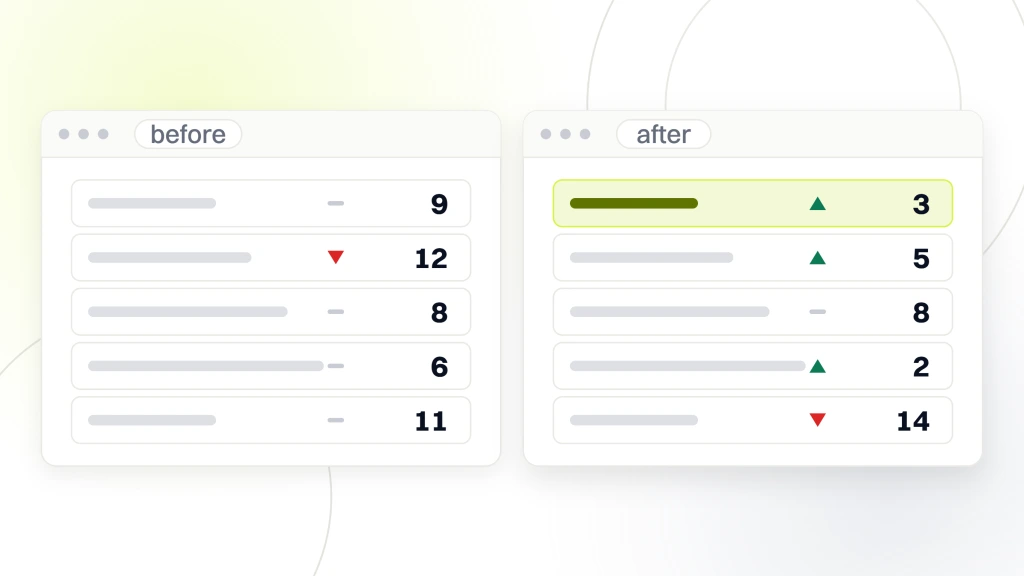
The transfer point on SEO for food and beverage is the schema plus content combination. Schema on the restaurant page and the destination pages pulled the property into rich results across booking queries, and the same play works on a food brand for recipe carousels and shopping tab placements. A DTC snack brand that copies the same shape lands in the same 3-month conversion curve on the SEO channel alone without needing a paid media push to prove the SEO layer is working on the retainer this quarter.
On a DTC ecommerce account we ran across an annual curve, the paired SEO plus paid program managed $650,000 in ad spend, achieved a Boogie Board reports $31 cost per conversion, and boosted conversion rates by over 11% through optimized landing pages and refined ad targeting. A separate ecommerce account grew revenue 179% over 12 months through restructured SEO and paid media, with paid search ROAS climbing past Abigail Ahern hit 1,588% inside the same window. Those numbers are the honest bar a well-run food and beverage SEO program can clear once the schema stack, pillar content, and canonical work all land in the same quarter.
Comparison of SEO content types for food and beverage brands
The table below breaks down 4 common content types for SEO for food and beverage brands. Every row is field-observed on real client accounts across snack, drink, and specialty food verticals. The mistake most food SEO retainers make is picking one type and running it exclusively for 6 months. The right mix runs all 4 in parallel with the volume split by intent stage on the current cohort.
| Content type | Intent stage | Impression volume | Conversion rate | Best used for |
|---|---|---|---|---|
| Recipe pillar | Top of funnel | High | 0.2 to 0.5% | Category education |
| Ingredient pillar | Middle of funnel | Medium | 0.5 to 1.5% | Backlink earning |
| Comparison pillar | Pre-purchase | Medium | 2 to 5% | Category filter step |
| Buyer guide pillar | Close | Lower | 4 to 8% | DTC checkout close |
Two mistakes most food brands make on the content mix. First, running recipe pillars only and reporting impression volume as the win metric as the DTC conversion rate stays flat. Second, running comparison pillars only and missing the recipe volume that feeds the top of the funnel with new-buyer awareness. The right mix runs all 4 in parallel with a volume split roughly matching the intent-stage traffic share on the current cohort of new buyers.
The reporting layer has to tie every content type back to closed revenue, not to keyword rankings alone. A ranking win on a recipe pillar that never converts to a first order on the DTC site is a vanity win. A ranking win on a comparison pillar that converts at 4% is a real revenue win. Both matter, but the report has to name the difference every single month or the retainer drifts into vanity metrics inside 2 quarters. Read the food and beverage marketing hub for the parent scope on how SEO fits inside a full CPG retainer.
How to measure SEO for food and beverage success
Measuring success for SEO for food and beverage starts with 5 numbers on a monthly dashboard. Organic sessions on the top 20 revenue pages. Ranking positions on the top 30 target queries. Rich results impression share on recipe and product queries. Assisted conversion count from organic traffic. Cost per acquisition on organic versus paid across the same cohort.
Assisted conversion carries the weight most SEO reports skip. A food brand shopper touches organic twice, paid once, and email once before the first order lands on the DTC site or the Amazon storefront. A report that credits the last click only misses the organic contribution that opened the buyer journey 4 days earlier in the same window. The fix is a multi-touch attribution model that gives partial credit to every touch inside the conversion window. GA4 exploration reports handle this cleanly if the events are set up correctly on the DTC site theme.
Rich results impression share is the food-specific metric most SEO reports leave out entirely. The number of food brands paying for SEO without a rich results monitoring dashboard is roughly 80% of every account we have audited in the last 3 years. The fix is a Search Console filter that isolates recipe carousel and shopping tab impressions on the top revenue queries every week on the retainer.
User-generated reviews feed both search and social proof
User-generated reviews are underused across SEO for food and beverage programs. Reviews on the DTC product page feed the aggregate rating schema, and that schema pulls star ratings into the Google shopping snippet. A product page with 200 recent reviews outranks a product page with 20 old reviews on the same query, even when the older page has more backlinks. Set an automated review request 7 days after order delivery, then a second nudge 21 days out. That single sequence typically triples review volume in the first 90 days.
Budget ranges for SEO for food and beverage retainers
SEO for food and beverage retainers at Redefine Web run in 4 clear tiers. Visibility at $999 per month covers a monthly technical audit, 4 content pieces, and a monthly report. Traffic at $1,499 per month covers 8 content pieces, schema management, quarterly technical reviews, and monthly cohort reporting. Scale at $2,499 per month covers 12 content pieces, weekly technical monitoring, backlink outreach, and a dedicated point of contact. Enterprise starts at $4,500 per month for multi-brand CPG accounts running 200+ SKUs and a coordinated Amazon feed.
Two pricing traps to avoid on SEO for food and beverage. First, retainers under $999 per month that promise SEO wins on a catalog of 50 SKUs. The scope cannot fit the work inside the fee, and the deliverables slip inside 2 months of the go-live date. Second, retainers past $4,500 per month that never audit the technical layer and only publish content. The content pillars stack up but the technical debt slows every ranking win. Real SEO retainers cover both layers with a documented monthly split on the scope inclusion list.
Every tier comes with a 6-month engagement floor. That’s the honest window an SEO for food and beverage program needs to produce ranking gains that show up on the P&L. Anyone promising results inside 30 days is either running a link scheme or misreading paid search wins as organic wins. Fresh domains and new content pillars need 60 to 90 days to index and start climbing, then another 90 days to convert the traffic to closed orders. Plan the budget on 2 quarters minimum.
Where to start SEO for food and beverage this quarter
Where to start this quarter depends on the current state of the catalog. A brand with a Shopify site and no SEO history should start with a full technical audit covering schema, site speed, and canonical tags on product variants. That audit surfaces the fixes that open ranking gains inside 60 days before new content ships.
A brand with an existing SEO retainer and flat rankings should audit the content pillar mix and the schema layer separately. 90% of stalled food SEO retainers stall on the same 2 issues. Content mix skewed too heavily toward recipe queries with no comparison or buyer guide layer. Schema layer broken or missing on the top revenue product pages. Fix both and the ranking curve resumes inside 90 days of the audit report landing in the founder inbox.
A brand pushing into retail should layer Amazon into the SEO for food and beverage retainer inside the same quarter. Amazon carries different ranking factors than Google and needs a separate keyword tree, but the content and schema work on the DTC site feeds the branded search volume that Amazon rewards on the storefront. Read the Amazon Seller Central category resources for the current ranking factors every food brand should track before the next product launch.
The build layer under every SEO for food and beverage retainer is the DTC site itself. A slow theme, a bloated app stack, or a checkout that breaks on mobile will limit every ranking win the SEO team delivers this quarter. Pair the SEO retainer with a real build audit on day one so the ranking gains actually convert. See the food and beverage web design page for the build scope that pairs with the SEO retainer on new engagements.
SEO for food and beverage is a 4-pillar content program plus a technical layer plus a schema layer plus a reporting layer. A DTC food brand that copies the pillars, ships the schema stack, wires the canonical work on product variants, and reports on assisted conversion every month lands in the same growth curve inside 2 quarters on the SEO channel alone.