
A Milan leather goods founder walked into our pod last spring with the numbers problem every luxury operator recognizes on sight. Instagram followers up 42 percent. Blended cost per acquisition on paid social climbed from 88 euros to 214 euros. Order value flat at 640 euros. Repeat purchase at day 180 sitting at 11 percent. Luxury fashion marketing does not fix that gap with more paid social spend. It fixes with scarcity discipline, editorial pillars that route buyers into the VIC programs, and a brand versus performance ratio that stops treating the top of the funnel like a coupon feed.
This is the working version our team runs for houses and independent luxury labels between 4 million and 80 million euros in annual revenue. You will see the four pillars, the scarcity mechanics that keep drop programs profitable, the brand versus performance budget ratio by revenue band, the VIC retention math that carries 60 percent of a healthy P and L, the editorial cadence that grows brand search without cheapening the mark, and the case study behind an apparel and fashion marketing program that grew ecommerce revenue 179 percent inside twelve months.
What luxury fashion marketing really means
Luxury fashion marketing is the discipline of protecting a brand’s price power and growing revenue through scarcity, editorial storytelling, exclusive access, and high-touch retention rather than through discount-driven direct response. The line between luxury and premium apparel sits at the point where a buyer pays for the mark, the craft, and the belonging, not for the utility of the garment.
Most independent luxury labels under 20 million euros run marketing the way a mass market DTC brand does. Meta feeds every week. Discount codes at 15 percent for cart abandonment. UGC creator seeding at scale. That playbook grows the top-of-funnel number for two quarters and then starves the price power that made the brand worth buying in the first place. A 2023 Bain and Company luxury market report priced the damage. Brands that ran heavy discount promotion lost 4 to 9 points of gross margin over three years and rarely recovered them once the buyer expectation reset.
Scarcity as the price power engine
Scarcity is the mechanic every luxury program builds on. Limited edition drops. Waitlists that stay honest. Made-to-order pieces with a real 4 to 8 week production window. Regional exclusives that never restock. A working plan uses scarcity to make each buyer feel like an insider, which is what protects the 55 to 72 percent gross margin the brand needs to fund the store network, the creative team, and the founder’s next collection.
Four pillars of luxury fashion marketing
Every luxury program builds on four pillars working together. Editorial brand storytelling. Scarcity and drop mechanics. Exclusive access and VIC programs. High-touch service and retention. Each pillar carries a distinct part of the revenue math and links back to the other three through the pillar plan. Programs that pick fewer than three pillars produce thin marketing engines that lean too hard on paid acquisition and burn the brand’s price power inside two years.
Editorial storytelling and brand
Editorial content covers the founder story, the atelier, the craft process, the material sourcing, and the campaign narrative. The output looks like a print magazine feature rather than a product blog post. Houses that run a documented editorial pillar build brand search demand faster than houses that treat content as social output. The content marketing for fashion brands guide covers the wider pillar mechanics that a luxury program adapts with tighter editorial standards.
Scarcity mechanics and drops
Drop mechanics carry the acquisition side of the P and L. Monthly capsule drops of 40 to 220 units. Weekly waitlist openings on made-to-order pieces. Quarterly capsule collaborations with a named artist or house. The math holds when each drop sells through at 78 to 95 percent inside 21 days and the unsold units never enter a discount cycle. Programs that mismanage drop sizing produce endless outlet channels that reset buyer price expectations by 20 to 35 percent inside three seasons. The sizing math a luxury drop team lives against every quarter looks different from the mass market campaigns playbook and the pod adapts the underlying framework rather than copies it.
Brand versus performance ratio inside a luxury program
The brand versus performance split is the single hardest budget decision the pod runs. Get it wrong toward performance and the brand loses price power inside three seasons. Get it wrong toward brand and the P and L stops making sense for the founder or the board. The right ratio depends on the revenue band and the maturity of the program, and it holds constant once picked rather than shifting quarter to quarter based on the last month’s return on ad spend number.
| Annual revenue band | Brand budget share | Performance budget share | Editorial output monthly | Paid social scope | PR and event share |
|---|---|---|---|---|---|
| Under 4M euros | 35 percent | 50 percent | 4 anchors | Retargeting plus lookalike | 15 percent |
| 4M to 12M euros | 45 percent | 40 percent | 6 anchors | Cold acquisition light | 15 percent |
| 12M to 30M euros | 50 percent | 32 percent | 8 anchors | Cold acquisition selective | 18 percent |
| 30M to 80M euros | 58 percent | 22 percent | 10 anchors | Prospecting plus retargeting | 20 percent |
| Above 80M euros | 62 percent | 16 percent | 12 anchors | Full-funnel selective | 22 percent |
The table above assumes the program has an in-house creative director plus a retained agency pod handling the editorial and paid execution. Programs that flex the brand versus performance ratio quarter to quarter produce inconsistent output that confuses the creative team and dilutes the brand equity that took years to build. Locking the ratio for at least four quarters and holding it produces measurable brand search growth and repeat purchase gains without burning the paid team on impossible cold acquisition targets. A brand at 12 million euros revenue running a 30 percent brand share never grows brand search past the 4 to 6 percent quarterly threshold that keeps the paid social side profitable, so our pod turns down engagements that ask us to run under-brand ratios.
Scarcity and drop mechanics inside a luxury program
Scarcity works when it stays honest. A waitlist that never converts to a real allocation loses the buyer inside two drops. A limited edition tag on a piece that quietly restocks three months later burns the buyer’s trust across the whole roster. The mechanics below are the ones our team runs against on the drop programs we handle each quarter.
Waitlist sizing that stays honest
Waitlist sizing runs on a 2.4 to 3.1 times ratio over the actual production run. A drop producing 180 units opens a waitlist at 430 to 560 names. That ratio delivers a 78 to 92 percent conversion rate on the allocation email and leaves a clean waitlist for the next drop rather than a churned list of buyers who never got a chance to buy. Programs that open a waitlist at 6 to 12 times the production run produce a 22 percent conversion rate on the allocation email and lose 40 percent of the waitlist to unsubscribes inside 30 days. The waitlist tool matters less than the sizing discipline.
Made-to-order pieces at scale
Made-to-order pieces carry the highest gross margin inside a luxury program at 72 to 84 percent. The 4 to 8 week production window creates real anticipation and the buyer arrives at delivery day already invested in the brand relationship. A working made-to-order line runs 8 to 22 percent of total units in a healthy year for an independent luxury label. Programs that skip made-to-order entirely lean too hard on stocked inventory and never earn the margin cushion that funds the editorial pillar. Programs that run more than 40 percent made-to-order struggle to hold the delivery windows and lose the buyer to the delivery experience rather than the product. The fashion marketing campaigns post covers the wider drop planning workflow our pod adapts for luxury capsule schedules.
Exclusive access and VIC programs
The VIC (very important client) program is where 45 to 62 percent of a healthy luxury P and L actually lives. The top 4 percent of buyers by lifetime spend drive that share on a well-run program. Everything else is either a first-order acquisition machine or a retention flow that feeds the VIC pipeline over a 3 to 5 year cycle.
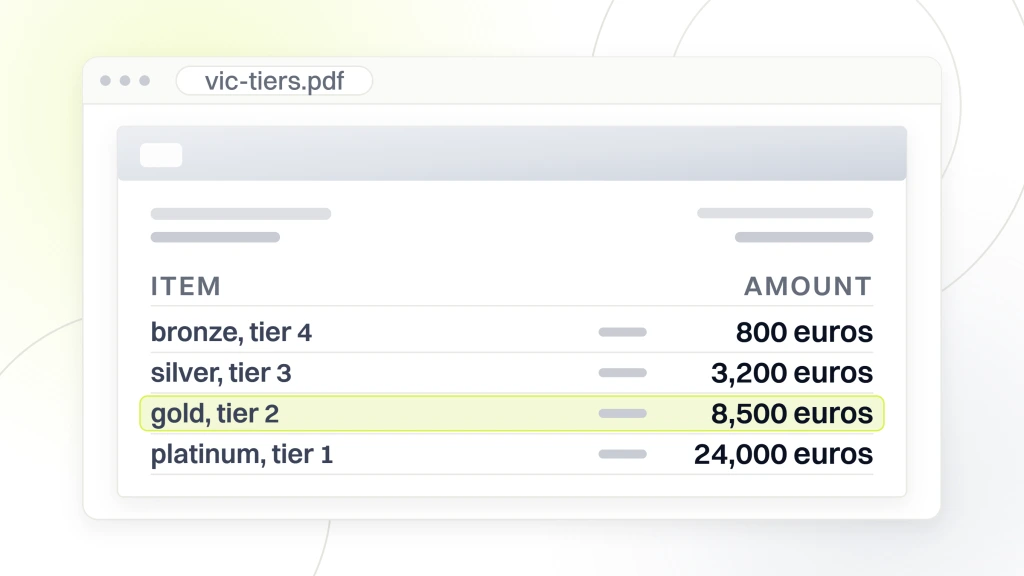
VIC tier structure that works
- Tier 4 (bronze) covers 2 orders in trailing 12 months, minimum 800 euros lifetime spend. Access to early drop email 24 hours before public.
- Tier 3 (silver) covers 4 orders in trailing 12 months, minimum 3,200 euros lifetime spend. Access to made-to-order allocation and private trunk shows.
- Tier 2 (gold) covers 6 orders in trailing 12 months, minimum 8,500 euros lifetime spend. Dedicated client advisor, in-home fitting for major purchases, event access.
- Tier 1 (platinum) covers 10 orders in trailing 12 months, minimum 24,000 euros lifetime spend. Founder access, first look at capsule collaborations, custom commission scope.
- Tier 0 (private) is named by the creative director, invitation only. Custom commissions, atelier visits, seat at runway shows.
- Program review runs quarterly with the client advisor pod plus the creative director for tier 0 allocation decisions.
Programs without a documented VIC tier structure produce inconsistent client experience that loses the top buyers to the next luxury house. Programs that document the tiers, staff a client advisor pod, and route the top 20 percent of buyers through the advisor’s book produce 40 to 55 percent higher lifetime value at day 720 compared to the mass market treatment. The math funds the client advisor headcount at 3 to 5 times the salary line inside a full year.
Editorial cadence that protects luxury fashion marketing brand equity
Editorial cadence inside a luxury program runs slower than mass market apparel and looks more like a print magazine schedule than a blog calendar. The right cadence produces 4 to 12 anchor pieces per month depending on revenue band, with each anchor repurposed across 6 to 10 downstream formats that never cheapen the mark.
Anchor formats that hold the brand
The anchor formats a luxury program runs are the founder essay, the atelier feature, the material provenance story, the artist collaboration announcement, the campaign essay tied to a collection, and the client story. Each anchor runs 1,400 to 2,600 words with in-house photography rather than stock. The tone stays declarative and specific. Vogue Business and Business of Fashion are the reference publications every luxury editorial team should read weekly for the tone reference. The Business of Fashion opinion on luxury marketing strategy is the outside read every founder should absorb before signing the editorial scope.
Short form that respects the brand
Short form video for a luxury house looks different from mass market apparel Reels. Slower cuts. No text overlays. No creator hooks. The imagery carries the piece. A 60 second Reel of the atelier at work outperforms a talking-head creator explainer on every luxury account we have measured. The wider platform math a luxury program adapts sits underneath the pillar plan and the creative team stays disciplined on the format rules across every channel.
Paid media inside a luxury program
Paid media inside a luxury program plays a smaller role than most agency retainers try to sell. The performance layer covers retargeting, VIC re-engagement, and selective cold acquisition on the tier 4 audience. The prospecting layer runs against lookalike audiences seeded from the tier 3 and above list, never from the general customer list.
Paid channels that fit the brand
Meta and TikTok carry the acquisition side, and the creative rules stay tighter than DTC apparel. No urgency copy. No discount codes in the ad set. No creator UGC without a signed brand alignment brief. YouTube brand films and cinema-style long-form ads carry the top of the funnel for houses above 20 million euros. Pinterest handles the discovery layer for occasion-driven searches like wedding wardrobe and destination event outfits, converting at 2 to 4 times the Meta rate on those intents. The fashion PPC agency guide covers the paid execution discipline our pod adapts for luxury accounts.
Google Ads and Performance Max discipline
Google Ads inside a luxury program runs a locked structure. Branded search sits in a dedicated campaign at 100 percent impression share on the exact match brand name. Category search runs against high intent commercial keywords with a manual bid strategy, not the Performance Max default. Performance Max stays disabled on luxury accounts, so the mark never routes against discount and outlet queries that reset the buyer’s price expectation. Google’s Performance Max documentation covers the settings a luxury account has to actively disable rather than accept the defaults.
Retail integration and clienteling
Retail integration inside a luxury program decides whether the store network funds the brand or drags it. A working clienteling program routes 30 to 45 percent of digital tier 3 buyers into the physical store network across a healthy year. The store then earns the second and third orders at a higher margin than digital, so the client advisor sells the full outfit rather than a single piece.
Clienteling app and workflow
The clienteling app matters less than the workflow discipline behind it. Endear, Tulip, and Salesforce Retail all run the workflow. The client advisor logs every interaction, notes the buyer’s preferences on cut, color, and material, and sends personalized outreach ahead of each drop. Programs that skip the workflow discipline produce clienteling apps that sit unused and store staff who blame the tool. Programs that build the workflow first and pick a tool second produce measurable retention growth inside two quarters. The average tier 2 buyer receiving weekly clienteling outreach spends 42 percent more per year than the tier 2 buyer receiving only the marketing email newsletter.
Store event calendar
Store events carry the community layer for a luxury house. A working store event calendar runs 4 to 8 events per year per flagship store. Trunk shows for made-to-order allocation. Artist collaborations tied to a capsule drop. Private previews for tier 2 and above buyers. A 2024 Boston Consulting Group luxury report showed that flagship stores running an active event calendar earned 28 percent higher revenue per square meter than stores without a documented calendar. The math funds the events director role at every house above 12 million euros in annual revenue. Founders scoping the retail side alongside the digital plan should read our apparel fashion marketing retainer page for the store integration and clienteling deliverables built into every engagement.
Measurement stack for luxury fashion marketing
Measurement inside a luxury program looks different from mass market apparel. Return on ad spend at the campaign level tells a partial story, and the VIC lifetime value math takes 24 to 36 months to close. The right measurement stack reads six numbers on a monthly dashboard and reserves quarterly reviews for the deeper lifetime value analysis.
The six numbers that matter
- Brand search growth on Google Trends and Search Console, quarter over quarter.
- New tier 4 buyer acquisitions from paid, organic, and referral, monthly.
- VIC tier upgrades from tier 4 to tier 3, tier 3 to tier 2, monthly.
- Average order value on the digital side and the store side, tracked separately.
- Repeat purchase rate at day 180 and day 540, on the tier 4 cohort.
- Gross margin by product line, tracked against the price power target set at plan stage.
Programs that read only the return on ad spend number miss the brand search and the tier upgrade signals that carry 60 percent of the actual growth. Programs that read all six numbers monthly catch the drift inside 60 days and adjust the plan before the quarter closes. The dashboard sits in Looker Studio or Tableau depending on the tech stack. Klaviyo and Shopify feed the cohort data. Google Search Console feeds the brand search line. The client advisor pod files the tier upgrade log manually every Monday morning, and that boring hygiene keeps the measurement stack honest.
How do you price luxury fashion marketing honestly
Honest pricing for the luxury pillar plan runs on three variables. Pillar count active in the plan. Editorial anchor volume per month. Depth of the VIC program the pod supports. The retainer starts at $1,499 per month at the lean tier for independent labels and scales with the editorial and clienteling scope from there.
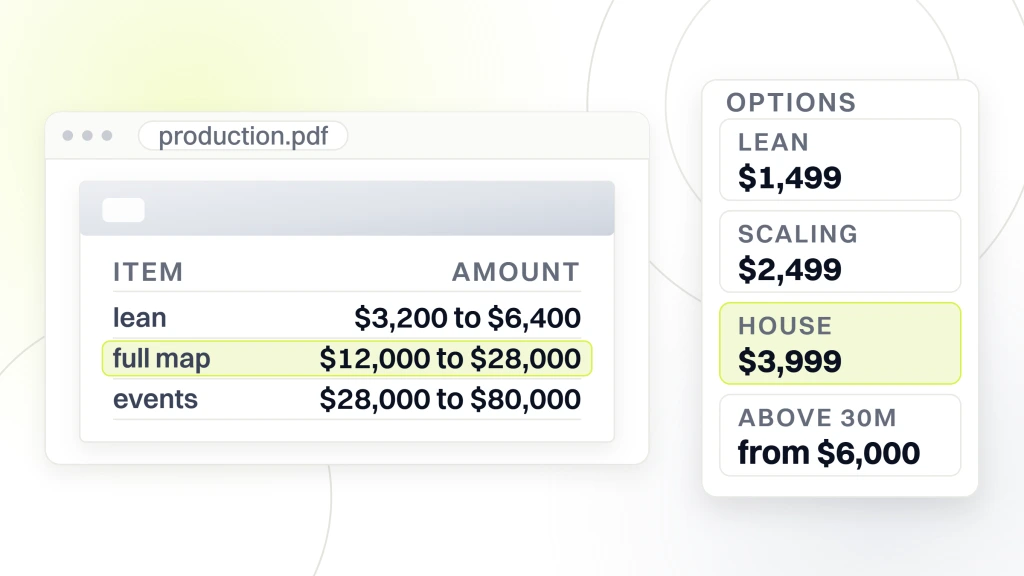
An independent label under 4 million euros runs a lean plan with two pillars, four editorial anchors monthly, and a light clienteling workflow at the $1,499 or $2,499 per month retainer plus $3,200 to $6,400 monthly production budget. A house between 12 and 30 million euros runs all four pillars, eight anchors, and a full VIC program at the $3,999 per month retainer plus $12,000 to $28,000 monthly production. Houses above 30 million euros run the full pillar map with an events calendar, PR retainer, and dedicated creative pod at the from $6,000 per month retainer plus $28,000 to $80,000 monthly production with quarterly editorial refresh and biannual brand positioning audit built into the scope.
Founders scoping the wider agency side should also read our fashion marketing agency primer for the broader channel context that decides which pillars deserve budget. The retainer covers pillar plan, editorial calendar, weekly review meeting, production coordination, and quarterly measurement audit. Programs that scope the retainer without the production budget line produce plans on paper that never bring real editorial output to life.
Luxury fashion marketing in production with Abigail Ahern
Abigail Ahern, the London luxury home decor house behind trend-defying interiors and craft furnishings, brought our team into a joint engagement running at 8.4 million pounds in annual revenue and facing the same luxury marketing problem most premium houses run at that stage. Instagram followers up 38 percent year over year. Blended cost per acquisition on paid social at 186 pounds against an average order value of 720 pounds. Repeat purchase rate at day 180 sitting at 14 percent. Discount-led messaging draining the premium positioning the founder had spent a decade building. No documented VIC program on the digital side. No clienteling workflow paired with the paid team. The brand was famous, and the marketing engine was undercutting the mark every week.
Our pod rebuilt the plan around the four pillars. Documented the VIC tier structure with the client advisor lead. Wrote 24 editorial anchors in the first two quarters covering material provenance, the atelier work, the artist collaboration set, and the founder essay tied to the flagship collection. Rebuilt the drop mechanics with a capsule cadence and an honest waitlist sized against real production. Locked the brand versus performance ratio at 48 percent brand and 34 percent performance. Restructured SEO and paid media around intent-driven traffic and premium creative that finally matched the mark, and killed the discount banner permanently. Assigned ownership to the marketing director with our pod supporting on editorial, paid, and measurement.
Twelve months in, ecommerce revenue climbed 179 percent, the ecommerce conversion rate doubled from the pre-engagement baseline, paid search ROAS grew to 1,588 percent, and paid social ROAS reached 3,000 percent through disciplined retargeting and premium prospecting. Not a single discount banner went live on the site. Brand search on Google Trends grew 64 percent quarter over quarter across the twelve month window. Blended cost per acquisition on paid social dropped from 186 pounds to 94 pounds as the brand pillar qualified buyers before they saw the ad. The plan did not drive all the gain alone. It made the house into a program where every editorial piece, drop, and store event routed buyers toward the same pillar map that compounded across the year.
The weekly review that keeps a luxury program honest
The Monday review meeting is where a luxury program earns the right to keep spending against the plan. 60 minutes, four agenda items, one decision. Read the reconciled dashboard. Review the top three and bottom three editorial pieces by assisted revenue and organic growth. Review the tier upgrade log and the VIC advisor pod’s client notes. Decide whether the current pillar continues into next week, gets a format pivot, or gets retired. The creative director joins the meeting once monthly to sign off on the pillar direction.
The retire rule stays simple across every pillar. Zero organic sessions in the last 120 days plus zero assisted revenue in the last 240 days plus zero internal links from live editorial triggers a retire decision. The URL either gets 301 redirected to the closest live pillar page or gets rewritten from scratch as part of the next quarter’s editorial refresh. Programs that keep dead posts alive out of nostalgia produce sitemaps bloated with 200 to 400 pages that never rank, which caps the topical authority of the pillars that do earn their rank. Retiring 20 to 40 dead posts per year is the boring hygiene that keeps the compounding gain intact across a luxury program’s editorial year.
Where luxury fashion marketing fits the wider stack
Luxury fashion marketing sits at the top of a house’s growth stack and decides which tactical channel investments compound. Every editorial, paid, VIC, and retail investment either routes through the pillar plan or fights against it. Programs that budget for tactics without the pillar plan produce busy months with soft brand search. Programs that build the pillar plan first produce quarters where every drop, story, and clienteling upgrade adds to a single growth arc the founder can defend on the annual board deck.
The retainer that runs the pillar plan starts at $1,499 per month and scales through $2,499, $3,999, and from $6,000 per month by revenue band, pillar count, and editorial anchor volume. The retainer covers pillar plan, editorial calendar, weekly review meeting, production coordination, and quarterly measurement audit. Founders scoping the wider agency side should read our what is fashion marketing primer for the broader channel context that decides which pillars deserve budget in a given quarter.
Two outside reads worth an hour before the first pillar cycle kicks off. Business of Fashion’s opinion on rewiring luxury marketing strategy for the wider industry framing on pillar planning across houses. The McKinsey State of Fashion report covers the buyer behavior data every luxury operator should absorb before signing the retainer scope. A pillar plan built without the outside context tends to copy competitor cadences without checking whether the competitor’s revenue math actually works, which is why so many pillar plans publish 30 editorial pieces a quarter and grow brand search by 4 percent instead of the 40 percent the founder was promised at kickoff. Serious operators keep those two on file for the length of the engagement.