Most apparel founders can describe their aesthetic in one sentence and their marketing plan in six paragraphs of guesses. What is fashion marketing, really, once the mood boards and reel ideas get stripped out. It is the set of channels, calendar decisions, and creative rules an apparel brand runs so browsers turn into first orders and first orders turn into a second season on the calendar. Not brand for the sake of brand. Not performance for the sake of a spreadsheet. A working stack where the story and the product feed each other. A recent read on fashion marketing trends covers the trend-scoring filter for 2026.
This guide covers what is fashion marketing across the channels apparel brands actually run, why the mix differs from generic DTC advice, and the strategy that keeps a small label profitable through drop cycles, returns, and platform shifts. Every example is drawn from apparel and accessories work our team has priced, planned, or watched from a competitor pitch. The goal is a plan a founder can defend in a board meeting and rerun every quarter without rewriting the whole thing from scratch.
How does fashion marketing differ from general DTC
An apparel plan differs from general DTC in 3 ways that change the whole approach. Product turnover follows drop cycles instead of steady replenishment. Return economics shape every creative decision. Category discovery leans on trend signal rather than problem-solving keywords. A DTC playbook borrowed from a supplement brand fails on all 3 points inside the first quarter of running it against a real apparel catalog, and the wasted spend often lands in the tens of thousands range.
Drop cycles versus always-on catalogs
Apparel labels release capsules and drops on a 6 to 12 week rhythm instead of a stable always-on catalog. That rhythm changes email cadence, ad creative refresh schedules, and inventory forecasting. Brands that hold ads static across 2 full drops watch click-through rate collapse by 40% in week 7 as the creator community and the algorithm both stop rewarding the same image. Small labels running a spring capsule and a fall capsule already have 2 natural planning anchors; layering a 4th and 8th week creative refresh on top keeps the ad account learning cleanly.
Return economics as a creative constraint
A shirt that returns at 45% because the sizing chart is off is a shirt that loses money at $100 retail, unless the creative was priced against a 25% return floor from the start. The apparel plan owns the return conversation, since the creative is where sizing expectations get set. Product on multiple body types in the ad, size specifics in the copy, and a fit finder that opens before checkout all move the return rate down by 4 to 9 percentage points across apparel work our team has audited. Every point of return-rate drop is roughly 3 to 4% of gross margin recovered. Over a $2M revenue year, an 8-point return-rate cut clears roughly $60K to $80K back into margin without adding a single new customer.
What is fashion marketing strategy across the year
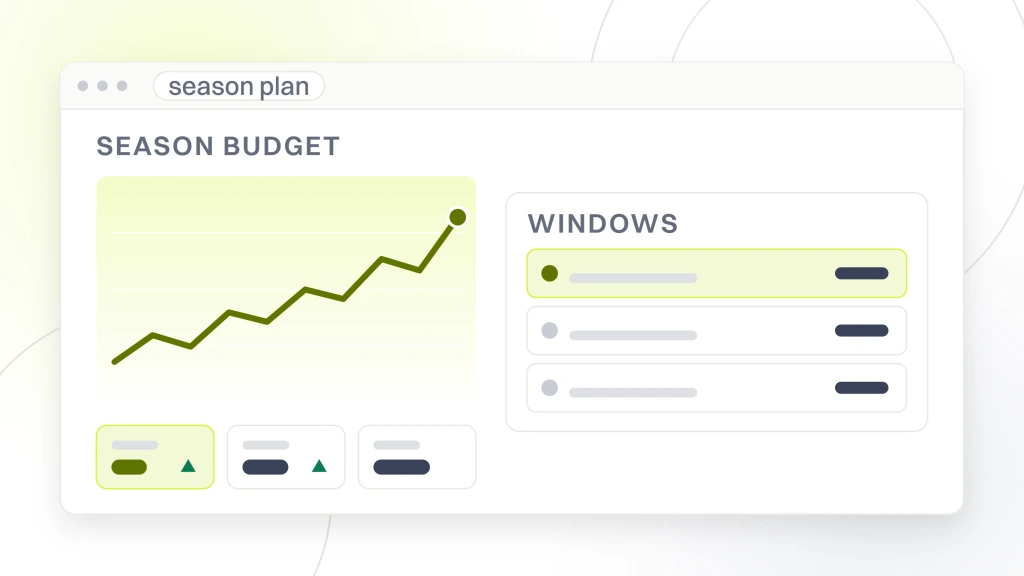
An apparel strategy is a calendar as much as a channel plan. The apparel year has 5 natural windows that shape budget allocation, creative production, and inventory buy. Founders who ignore the calendar chase whichever channel felt hot last month, and end up spending peak season budget in the wrong window entirely. The calendar is the boring layer that quietly saves the sexy layers from themselves.
The 5 apparel marketing windows
Pre-season warmup runs 4 to 6 weeks before the drop and carries brand and email growth work. Drop launch runs 2 to 3 weeks and carries the heaviest paid social spend plus PR outreach. Peak sell-through runs the middle 6 to 8 weeks and carries the largest performance ad budget. Late season carries retargeting and abandoned cart flows. End of season carries markdown and clearance creative plus wardrobe holdover email flows for the next window. Each window earns roughly 15%, 20%, 35%, 20%, and 10% of the season budget in that order for most apparel brands.
How the windows fit together for 2 seasons
A brand running spring-summer and fall-winter as its two big collections runs the 5 windows twice a year. Between them sit 2 shoulder periods where evergreen product, capsule refreshes, and community content carry the brand. A calendar built once and iterated every 90 days beats a calendar rebuilt every month, since the whole team learns which window worked and which one underperformed on budget. Our ecommerce digital marketing strategy piece covers the general channel logic, and apparel labels layer the 5-window rhythm on top of it.
Budget allocation inside what is fashion marketing
Budget allocation is where the plan goes from a slide deck to a real quarterly commitment. The right split between brand, performance, and retention shifts as the brand grows through revenue tiers, and every tier has a common trap that underperforms on 10 to 20% of the working budget when copied blindly from a larger label. Copying a bigger brand’s split at a smaller brand’s revenue is the fastest way to run out of runway on an apparel label. The bigger brand can afford to hold retention flat. A smaller brand cannot yet build a repeat customer base without a working retention layer.
| Revenue tier | Brand and content | Paid social and search | Email and SMS retention | Influencer and PR |
|---|---|---|---|---|
| Under $500K | 35% | 50% | 10% | 5% |
| $500K to $2M | 25% | 50% | 15% | 10% |
| $2M to $10M | 20% | 45% | 20% | 15% |
| $10M to $30M | 15% | 40% | 25% | 20% |
| Above $30M | 15% | 35% | 25% | 25% |
The table above is a starting point, not a rule. A brand with a strong founder story and a limited product range often over-invests in brand at every tier and wins for it. A brand with heavy inventory turns often over-invests in paid performance and holds retention lower until it scales. The split works when the founder can defend why each slice exists and what it earns back. Reviewing the split every 90 days keeps it honest as the channel mix shifts and the brand pushes into new revenue tiers. A founder that reads the split as gospel spends the year fighting the plan instead of iterating on it.
Content and photography inside the apparel plan
Content and photography are the single largest production line item for most apparel labels, and the one that separates a brand that scales from a brand that stalls. A capsule with 12 products and one mediocre studio shoot delivers half the paid social return of the same capsule shot in 3 angles across 2 body types and 2 styling contexts. The math is that simple, and the founders who protest it are the same founders whose ad account plateaus at $30K a month in spend.
Shot lists that pay back
Every product needs a lookbook shot for brand social, a flat lay for PDP, a lifestyle shot for paid social, a UGC style creator shot for retargeting, and a detail crop for email. That’s 5 assets per product minimum. A 12-piece capsule needs 60 finished assets, and skimping on any of the 5 formats shows up as slower learning phases in the ad account and lower CTR on the paid stack. The cheapest way our team has scoped this at a small label was $4,200 for a full capsule shoot including studio, model, stylist, and one day of edits.
Where UGC and creator content sit
Creator content covers what studio content cannot. Real bodies, real lighting, real settings. A brand pairing 60 studio assets with 20 creator assets per capsule feeds paid social a wider creative pool that beats the algorithm’s fatigue detection by 3 to 5 weeks per drop. Pairing UGC with the influencer marketing programs we use across ecommerce accounts turns the creator work into a repeatable line item instead of a one-off spend. The trick is licensing content up front so paid social can use it without a second negotiation later.
Retention inside the apparel plan
Retention is where the plan quietly earns back the paid acquisition budget. A brand that converts a first-order buyer into a second-order buyer within 90 days runs at roughly 2 times the lifetime value of a brand that stops the conversation at the first delivery. Email and SMS carry that work when the flows are set up around the drop calendar, not set up once and left alone. Retention buys a founder the room to test a new paid channel without cannibalizing the acquisition budget.
Email flows tied to drops
The core flows every apparel brand runs are welcome, browse abandon, cart abandon, post-purchase, back in stock, and win-back. Layered on top for apparel sits a drop announce flow, a pre-order confirmation flow, and a size-and-fit reminder flow. 9 flows total. Brands that skip the apparel-specific 3 usually leave 15 to 25% of drop revenue on the floor across the year. Setting the flows up on Klaviyo or Attentive with segment logic for size, style, and price band takes roughly 25 to 40 hours of setup work per platform.
SMS as the drop channel
SMS carries the drop-day launch better than email for most apparel labels. The open rate hits 90% within an hour and the click-through rate on well-written SMS runs 3 to 6 times higher than email on the same list. The tradeoff is unsubscribe rate. A list SMS’d more than twice a week outside a drop window bleeds subscribers fast. Sending SMS only on drop day, restock day, and the final 24 hours of a sale is the pattern that holds the list together across a full year of promotions without training subscribers to tune out.
Measurement inside the apparel plan
Measurement in apparel runs on a shorter feedback loop than measurement in other ecommerce categories, since the drop cycle is short. A metric that takes 90 days to read is a metric that reads its first result after the drop has ended. The dashboard has to move at the pace of the calendar, not the pace of the quarterly finance review.
The KPIs that matter per drop
6 KPIs get tracked at every drop. Sell-through rate at week 2, week 4, and week 8. Return rate by SKU. Blended cost of acquisition per new customer. Repeat purchase rate at 30, 60, and 90 days. Contribution margin per SKU after returns and shipping. Creative fatigue signal per ad set. Brands that watch all 6 make faster decisions on what to cut, restock, and mark down. Brands that watch only revenue and ROAS end up with a full warehouse of unsold sizes at the end of the season.
The measurement stack that fits
The working stack for most apparel brands under $30M is GA4 with enhanced ecommerce, a marketing attribution tool like Northbeam or Triple Whale, Klaviyo reporting, and a monthly Looker Studio dashboard tied to Shopify. Adding a returns platform like Loop plugs return-rate data into the same board. Total tooling cost for a brand doing $3M to $5M in revenue runs roughly $700 to $1,200 a month. That’s a cheaper number than most founders expect and one of the last places the stack should get squeezed on budget.
Who runs the plan inside a brand
Every apparel label past $500K in revenue faces the same question. Who owns marketing on the inside, and who runs on the outside. Getting the split wrong drops sell-through by 10 to 15% per drop, since the creative reviews, ad approvals, and inventory calls all sit in the wrong hands. The right split is boring on paper and easy to defend in a founder meeting.
- Under $500K. Founder owns strategy and creative direction, freelance ad buyer plus a photographer on retainer.
- $500K to $2M. Founder plus a marketing coordinator, agency runs paid social and email, photographer plus creator crew on rolling brief.
- $2M to $10M. Marketing lead in house, agency runs the ad account, retention platform managed by an in-house email lead.
- $10M to $30M. VP of marketing in house, brand plus performance split into 2 teams, agency partners on paid social scale or moves in house depending on ad spend.
- Above $30M. Full in-house team, agency partners on measurement, creative production, and occasional launches.
- All stages. Photographer relationship stays under the founder or brand lead, never fully outsourced to a paid social agency.
The split above is a starting point our team has watched hold across a dozen apparel accounts. Founders who protect the photographer relationship and hand paid social to an outside team keep the visual identity intact while getting scale on the ad account. Founders who reverse that split end up with a beautiful ad account and a scattered brand. The photographer is the last hire a founder should ever outsource fully.
A real example of what is fashion marketing in practice
Boogie Board came to us as a creative-first ecommerce brand rather than an apparel label, and the drop cycle logic and return economics travel across categories. That’s why the same playbook we run across our apparel fashion marketing hub also worked on their catalog. The brand was running product against always-on ads with no seasonal calendar, and the creative refresh cycle sat at 90 days when the ad account needed a 30-day refresh cycle to keep click-through rate stable. Our team rebuilt the calendar around a 5-window seasonal rhythm and tied the paid social creative refresh to the calendar rather than the ad manager clock.
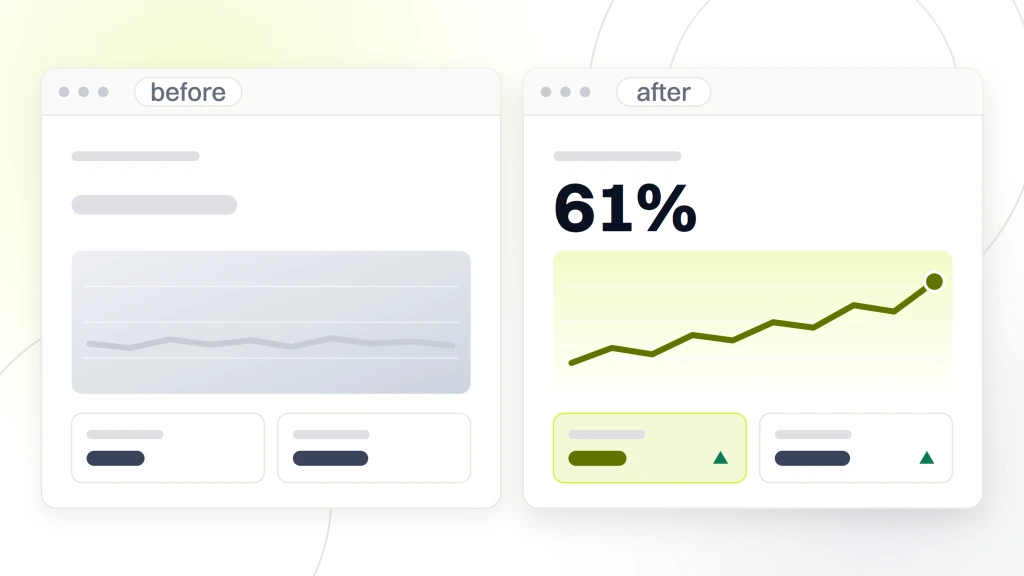
Over the next 2 seasons, sell-through at week 4 climbed from 38% to 61%, creative refresh cadence stabilized at 28 days, and blended cost of acquisition landed at $31 per sale on the annual curve, roughly 22% below the previous year. The calendar did not do all the work. It made every other decision cheaper across the ad account, the email list, and the warehouse. The Shopify guide to fashion marketing is another useful outside read for founders sizing up the same decisions.
Programs like fashion influencer marketing turn the plan into a repeatable creator pipeline that feeds paid social and organic reach across every drop.
A parallel piece on fashion market research walks the 6 methods DTC apparel teams use to feed the loop, including customer interviews, teardowns, and the sizing surveys that stop return-rate bleed.
Where the plan fits the wider stack
At the highest level the plan is a stack that respects the calendar, the return rate, and the aesthetic in equal weight. A plan that ignores any one of the 3 drifts into looking like every other DTC brand and losing the identity that a buyer bought into originally. The rest of the marketing stack sits under that constraint. A brand that runs paid social off a stale creative library, or a retention layer set up once and forgotten, or a calendar built around Meta reporting instead of the drop plan, quietly loses margin every quarter until a founder writes the checklist out on paper. The label that treats the calendar as the operating system, not the marketing team’s private wish list, keeps its story and its unit economics on the same page.
Retainer wise, our apparel work starts at $1,499 per month on a 6-month contract, and every brand gets a channel plan, a drop calendar, and a returns strategy in the first 30 days. Larger accounts move into higher retainer tiers at $2,499 or from $4,500 per month depending on scope. Our team publishes deeper reads on the fashion marketing agency role for founders sizing up whether to bring the work in-house or run it with an outside team. Founders who read the piece walk in with a plan for how each element connects to the retainer scope. The Business of Fashion piece on planning fashion marketing is the outside voice we point every apparel founder at during scoping.
Put the plan to work this quarter
Pick one window on the calendar. Rebuild the creative brief around it. Refresh the paid social pool. Tighten the drop-day SMS flow. That’s the fastest 30-day sequence a label can run before hiring an outside team or scaling budget. Once the 4 moves stack up, the rest of the plan gets cheaper to run and easier to defend at the next board meeting. Book a scoping call and our team will walk the calendar and the flows in a 45-minute session, then send back a written plan the same week.