Should i sell my dental practice to a dso is the question every owner in a growing metro asks after the third unsolicited email hits the inbox. The honest answer depends on four inputs. Age, collections size, ambition for the next chapter, and how much operational autonomy you value against a bigger check at close. This guide walks all four inputs with real numbers and real scenarios so you can answer the question inside a week rather than another year of quiet indecision.
You will see the four scenarios where selling to a DSO is the right move. You will see three scenarios where it is the wrong move. You will see the tax math, the second bite math, the operational reality of year one, and the questions to ask before signing anything. Every number pulls from real transactions our team watched close between 2023 and 2025 across GP, ortho, oral surgery, and pediatric practices in metros from Dallas to Boston. For deeper context on the buyer side, read our DSO buying dental practices breakdown and the dental marketing industry hub.
Yes scenarios where should i sell my dental practice to a dso reads clearly
Four seller profiles almost always benefit from a DSO sale in 2026. Near-retirement owners at age 55 plus with 2.4M or more in collections. Growth-tired owners at 3M plus who want out of the operational grind. Multi-location owners at 4.6M plus who want to platform up with sponsor capital. And practices in Florida, Texas, or Tennessee where no-income-tax residency plus a competitive bidder pool pushes the after-tax check to the top of the range.
Near-retirement yes scenario
A 58 year old GP owner in Charlotte with 2.6M collections signs a 7x deal. Cash at close is 5.15M with 1.29M rollover. Year one employment income drops to 62% of prior owner take-home, which is fine because the seller planned a 3 year runway to full retirement. Over 3 years the seller earns 900K in salary, then walks with the second bite at year 5 that adds another 2M to the rollover slice. Total transaction value clears 8M net of taxes. That is the yes scenario at its cleanest.
Growth-tired yes scenario
A 47 year old owner in Dallas with 3.4M collections and one associate is running out of energy for the operational side of practice ownership. She signs a 7.5x deal. Cash at close is 6.75M with 2.25M rollover. Year one comp drops to 58% of prior take-home, but the seller welcomes the 30 hour clinical week and no more HR fires on Sunday nights. This scenario rewards owners who value time and mental bandwidth over the last dollar of owner income across the next 7 years of employment.
Multi-location yes scenario
A group with 5 offices and 4.8M collections signs an 8x deal. Cash at close is 8.5M with 3.6M rollover. Buyers pay the premium multiple to consolidate 5 offices into one deal rather than negotiating 5 separate transactions in the same metro. Multi-location owners with clean per-location P&L and a working central marketing dashboard command that premium every single time. The takeaway is simple. Bidder competition and platform-ready infrastructure move the multiple more than any other input at this profile.
Should i sell my dental practice to a dso no scenarios explained
The no scenarios all involve one of three profiles. Young solo owner without ownership fatigue. Sub-1.5M practice without buyer competition. Autonomy-first personality where clinical control matters more than any capital event. Each of these scenarios has real math behind the no. Selling now sacrifices more than it gains inside the 7 year employment window.
Young solo owner scenario
A 38 year old dentist at 1.6M collections signs a 6.5x deal, cashes out 3.5M, keeps 800K rollover, and now works 7 years at 65% of prior take-home. Prior take-home was 550K. New take-home is 360K. Over 7 years, the seller earns 3.85M in employment income versus 5.2M as an owner. The 3.5M cash at close does not close that gap unless the second bite doubles the rollover. Selling at 38 costs the seller the productive years of ownership without meaningful upside.
Sub-1.5M practice scenario
A solo GP in Kansas City at 1.3M collections signs a 5.5x deal in a metro with only 2 active bidders. Cash at close is 2.4M with 600K rollover. Adjusted EBITDA runs 550K. Multiple is thin because sponsor economics favor 2M plus practices and buyer competition is weaker at this size. Owner-operator income was 380K. New employed income is 250K. Net of taxes and the loss of practice control, the deal does not clear the bar for most sellers at this collections size.
Autonomy-first owner scenario
A 50 year old owner in Austin with 2.5M collections values clinical autonomy above any capital event. Selling to a DSO would bring 6M at close, 1.5M rollover, and reduced clinical control across the next 7 years. The owner would rather keep 100% equity and 100% control until age 60, then plan an associate buyout or an independent broker sale. This scenario is real. Money is not the only variable in the answer. Some owners choose autonomy every time and never regret the decision at year 3, year 5, or year 10.
Economics of should i sell my dental practice to a dso by scenario
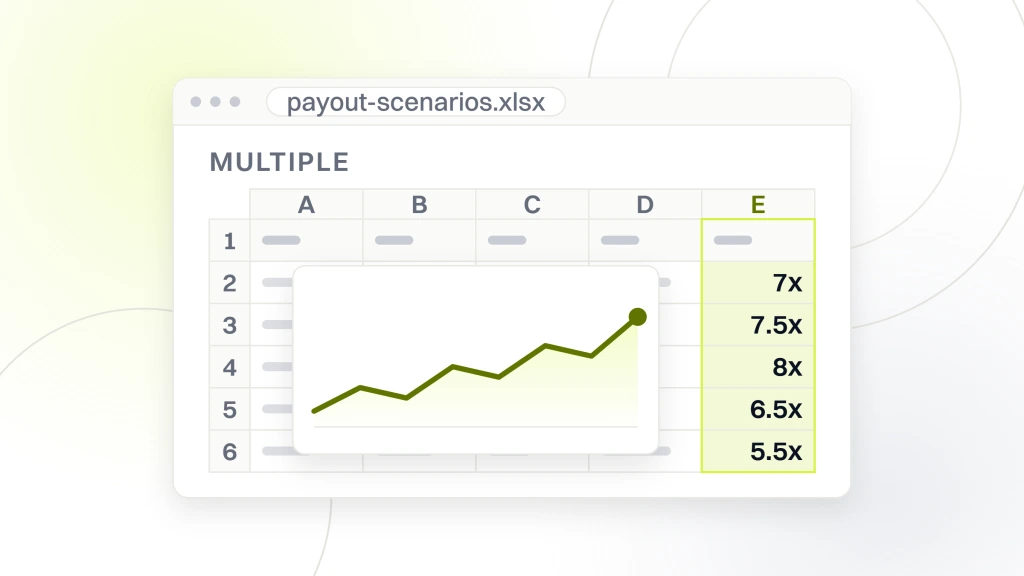
The table below compares the economics across the yes and no scenarios. Numbers are field averages across transactions our team watched between 2023 and 2025. Every deal has unique tax structure and unique employment terms, so use the ranges as benchmarks against your own practice profile before committing to any direction on the sale question. Coverage from Dental Economics and the ADA Health Policy Institute lines up with the same ranges across national practice profiles.
| Scenario | Collections | Multiple | Cash at close | Rollover | Year 1 comp |
|---|---|---|---|---|---|
| Near-retirement yes | 2.4M plus | 7x | 5.15M | 1.29M | 62% |
| Growth-tired yes | 3M plus | 7.5x | 6.75M | 2.25M | 58% |
| Multi-location yes | 4.6M plus | 8x | 8.5M | 3.6M | 68% |
| Young solo no | 1.6M | 6.5x | 3.5M | 0.8M | 65% |
| Sub-1.5M no | 1.3M | 5.5x | 2.4M | 0.6M | 55% |
Read the table with the multiple gain from a competitive process in mind. Every row in the yes scenarios can gain half a turn on the multiple through a broker-run process. Every row in the no scenarios can still gain a quarter turn but the underlying economics do not justify the loss of autonomy for most sellers at that profile. Bidder competition is the biggest lever on the closing check. Preparation for the process is the second biggest lever.
What competition adds by scenario
A competitive process with 4 to 6 bidders adds half a turn to a full turn on the multiple across every row in the table. On a 2.4M practice, that is 350K to 700K in additional cash at close. On a 4.6M multi-location group, that is 750K to 1.5M in additional cash at close. Bidder competition is the single largest input on the closing check. Refusing to run a competitive process leaves that value on the table every single time. Broker fees at 3 to 5% of transaction value pay back many times over on that spread.
Tax math behind should i sell my dental practice to a dso
Tax treatment changes the closing check net proceeds by 10 to 25%. Federal capital gains rates, state income tax rates, and asset versus stock sale treatment all factor in. Sellers who plan taxes 12 months before market close often net more than sellers who signed a bigger top-line deal with worse tax structure. The IRS publishes standard guidance on Section 1060 asset allocation at irs.gov that dental transaction attorneys use as the framework for negotiating allocation at the LOI stage.
Asset sale versus stock sale
Most DSO transactions get structured as asset sales for tax purposes. The buyer gets a step-up in basis. The seller allocates purchase price across categories with different tax treatment. Goodwill gets capital gains treatment at 20% federal plus your state rate. Fixed assets and inventory get ordinary income treatment at your top marginal bracket. Aggressive allocation toward goodwill can save 50K to 200K on a typical transaction. Negotiate this at the LOI table, not during diligence when you have less use.
Rollover equity tax deferral
Rollover equity qualifies for tax-deferred treatment when structured under IRC Section 351 or Section 721. The seller does not pay tax on the rollover portion at close. Tax gets paid when the rollover cashes out at second bite. Structure the rollover incorrectly and you owe tax on the paper value at close, which adds 30 to 40% to out-of-pocket at closing. Read every rollover document with a tax advisor familiar with dental transactions before signing anything binding.
State residency planning
Some sellers use the transaction to trigger a state residency change from a high-tax state to a no-income-tax state like Florida, Texas, or Tennessee. Establishing residency takes 6 to 24 months of planning depending on source and destination. A 2M plus transaction saves 100K to 400K in state income tax with proper residency planning. Rush jobs on residency fail audits. Plan the move 24 months before market, not 6 months out.
Year one after should i sell my dental practice to a dso becomes yes
Year one after signing has a predictable four-phase shape across every seller our team interviewed. Days 1 to 30 feel quiet. Days 30 to 90 get noisy on payroll, PMS, and marketing changes. Days 90 to 180 stabilize on payer contracts and central systems. Days 180 to 365 normalize as the seller settles into the new operational rhythm and clinical schedule with the DSO team.
Days 1 to 30 observation phase
The first 30 days are intentionally quiet. The DSO integration team gathers documents, runs orientation with the practice team, and observes workflow. No PMS change. No payroll change. No marketing change. Your team relaxes because nothing feels different from day zero. Sellers should use this window to identify a backup for the office manager position and communicate the coming operational shifts to the clinical team so nobody feels blindsided in the next phase of the integration timeline.
Days 30 to 90 change window
Days 30 to 90 the operational noise kicks in. PMS conversion starts. Payroll moves to central. Marketing shifts to central. Supply ordering moves to the group purchasing agreement. Your front office feels every change. The front office manager quits at roughly 40% of practices in this window. Plan for it. Have a backup ready. Communicate calmly. Explain the operational shifts as part of a broader platform integration rather than punitive centralization moves aimed at your office in isolation.
Days 180 to 365 stabilization arc
By day 180 the practice runs on a stable operational rhythm. Central marketing produces new patients. Payer contracts renegotiate to the group schedule. By day 365 the seller has adjusted to weekly regional ops calls, monthly platform updates, and life as an employed provider with equity. Most sellers describe year two as substantially easier than year one. This shape holds across every platform we watched, from independent single-office rollups all the way through mid-market multi-location groups already integrated into national platforms.
Case study on Smile Design Dentistry from a seller perspective
Smile Design Dentistry runs 50 plus locations across Central Florida and Tampa Bay. Founded in Dade City, Florida in 2004, the group covers cosmetic, emergency, preventive, and specialty care for local patients. Sellers who signed with Smile Design in 2022 and 2023 saw practice-level EBITDA grow within 18 months once central marketing deployed against clean attribution data across every office in the network. Read the full write-up at Smile Design Dentistry case study.
Our team restructured the PPC accounts by funnel stage and geography, built dedicated landing pages for every service line and market, and layered full-funnel paid social. Cost per call fell 30% across the network within 12 months. PPC conversion rate grew 20% year over year. 50 plus offices reported on a single dashboard for the first time. Sellers who signed into that operational infrastructure benefited from marketing execution they could not build at solo-practice scale. Our Dental SEO Services team runs comparable local map pack work on independent practices at solo scale for owners in a comparable stage.
What sellers reported at year one
Sellers who signed with Smile Design reported the same year one arc every dentist reports post-DSO. Quiet first 30 days. Noisy days 30 to 90 on payroll and PMS conversion. Stable days 90 to 180 on payer contracts. Normal days 180 to 365. What made Smile Design different was the marketing deploy at day 90 that grew local patient acquisition faster than most platform sellers see in the first year after affiliation with any DSO in the Central Florida market.
What this teaches undecided sellers
Choose your platform based on execution track record, not brand size or pitch deck polish. Reference calls with 10 sellers who signed in the last two years confirm which platforms deliver on the operational promise. Smile Design confirmed that promise for sellers in Central Florida. Other platforms in your metro may not. This is the single biggest input on whether the yes scenario feels like the right decision at year one, year three, and year seven of the employment agreement with the platform team.
Questions to ask before answering should i sell my dental practice to a dso
Ten questions decide whether the yes scenario is right for your specific practice. The questions cover money, autonomy, timeline, and cultural fit. Answer honestly and the direction becomes clear inside a week. Answer defensively and the question circles for another year while every quarter of preparation slips by unused. Write the ten questions on a single sheet of paper and answer them in one sitting without input from family or advisors.
Money questions
What is my adjusted EBITDA today? What multiple does my practice profile earn in the current market? What is my after-tax cash at close under an aggressive asset sale allocation? What does my rollover slice earn at second bite under a 2x scenario versus a 1x scenario? Any answer above 3M net cash at close with a real second bite tailwind justifies the yes scenario at most practice profiles. Below 3M the math tightens fast against the loss of ownership autonomy.
Autonomy questions
How much do I value clinical autonomy? Am I ready to hand off HR, payroll, marketing, and supply decisions to a platform team? Can I sit in weekly regional ops calls without frustration? Would I resent the shift from owner to employed provider even with equity? Sellers who answer yes to the autonomy handoff generally thrive inside a DSO. Sellers who resist any single question tend to struggle in year two and year three of the employment agreement with the platform.
Timeline questions
What is my retirement horizon? What is my growth plan for the next 5 years if I do not sell? Does an associate-to-partner track exist that could produce a comparable exit at year 8 without giving up equity today? Are there sponsor timing windows that would produce a better multiple in 12 to 24 months? Timeline questions frequently push the decision one direction or the other more strongly than money and autonomy questions do at the moment of decision.
Case study on VP Dental for solo owners weighing the sale
VP Dental is a general and cosmetic dentistry practice led by Dr. Valerie Preston. The team unified fragmented web and SEO vendors under one strategy and doubled new monthly patients, added $8,100 in monthly recurring revenue, and grew search impressions 776% inside 12 months. Read the full write-up at VP Dental case study. That kind of documented growth is exactly what a DSO diligence team wants to see in the marketing packet at LOI.
For solo owners weighing whether to sell, the VP Dental story teaches two lessons. First, a well-run solo practice can compound growth without a platform. If you can double new patients in 12 months on your own, the yes scenario shifts because you are proving you can grow EBITDA at solo scale. Second, that same growth pattern is the number one thing a DSO buyer wants at diligence. Whether you sell in 12 months or 24 months, the work looks identical between now and then.
What VP Dental proves for undecided owners
Undecided owners often assume the sale question is binary today or never. It is not. Grow the practice for 12 to 24 months on the same operational disciplines a DSO would install. Call tracking on every channel. Clean books to broker specifications. Documented month-over-month new patient growth. Any of those disciplines pay back whether you sell or keep growing. The optionality has real financial value at every future review of the sale question.
Case study on North County Dental Care for growth-first owners
North County Dental Care in Vista, California ran a full digital transformation with our team from 2021 to 2024. The result was 1,000% patient growth, 385% organic traffic growth, and 500% marketing ROI on the combined SEO, web development, and PPC program. Read the full write-up at North County Dental Care case study. A multi-year timeline matters here because it lines up with the window an owner in their 40s would use to build EBITDA before a DSO sale at age 50 plus.
The lesson for owners weighing should i sell my dental practice to a dso is straightforward. A multi-year growth arc at that pace can move a 1.5M solo practice to 4M plus in collections. That collection base clears the multi-location or growth-tired yes scenario at 7x to 7.5x rather than the sub-1.5M no scenario at 5.5x. The multiple gap alone is worth 4M to 6M in additional cash at close. Growth as an option to sell better later is a real plan and a valid answer to the sale question at year one of that timeline.
How the North County Dental Care growth plan applies to a solo GP today
The North County Dental Care growth plan combines local SEO, Google Business Profile optimization, paid ads targeted at exact-match dental queries, and conversion optimization on the practice website. For owners running this preparation path today, our Dental Marketing Retainer starting at $1,499 per month covers the monthly reporting and attribution work. The same disciplines that grew North County Dental Care 1,000% from 2021 to 2024 produce clean data for the DSO diligence team when the sale question flips to yes years later.
If you answered yes on should i sell my dental practice to a dso
If the four inputs point toward yes, start the 12 month preparation project this week. The 12 months break into four quarters. Clean books. Install call tracking. Run a self-directed quality of earnings. Build the buyer shortlist. Skipping any quarter leaves a quarter to half turn on the multiple at close. Preparation is the highest ROI activity in any DSO transaction cycle across every practice profile we tracked.
Twelve month preparation checklist
Month 12 to 9, clean the P&L and normalize owner comp. Month 9 to 6, install call tracking and log every marketing source for patient attribution. Month 6 to 3, run a self-directed quality of earnings with a dental-focused accountant. Month 3 to 0, screen brokers and build the buyer shortlist. A specialist marketing partner runs the attribution work that makes month 9 to 6 straightforward across every practice profile in the yes scenario.
Where independent owners go for help
Single-location sellers preparing for a DSO conversation for the first time benefit from a specialist marketing partner running the attribution work. Installing call tracking, structuring paid ad accounts around exact-match dental queries, and producing monthly source data all pay back at LOI. Twelve months of that work moves the multiple a quarter to a half turn depending on practice profile. Our Dental PPC Management program handles the attribution setup for owners in the yes scenario.
Multi-location owners with platform ambition
Multi-location owners preparing for a platform-level sale need marketing infrastructure across every office in the network. Centralized dashboards. Per-location attribution. Group-level reporting on new patient volume, cost per acquisition, and case value trends. Buyers value that infrastructure highly at LOI because it shows the practice can be integrated fast without operational disruption to central systems already running across the network.
If you answered no on should i sell my dental practice to a dso
If the four inputs point away from yes right now, the smart move is to revisit the question every 12 to 18 months as your practice and priorities evolve. What feels wrong at age 40 with a 1.5M practice may feel right at age 50 with a 3M practice and a growing appetite for the next chapter. Keep the option open by preparing the practice as if you might sell every year even when the current answer is no.
Keep the option open
Even if the answer is no this year, run the practice as if you might sell. Clean books. Call tracking on every channel. Documented month-over-month growth. A modern PMS. All of these are good practice hygiene independent of any DSO conversation. If a buyer calls next year and the answer flips to yes, you close 6 months faster and at a higher multiple than a comparable practice that never prepared. Optionality has real financial value at every future review.
Independent buyer alternatives
If DSO transactions do not fit your practice, associate-to-partner buyouts remain a real option at most metros. Group Dentistry Now covers independent transaction data alongside DSO deals. The ADA publishes independent transaction context you can cross-reference. Multiples are lower than DSO deals but the seller keeps operational control and can structure a longer transition than any DSO employment agreement allows. This path suits owners who value autonomy above the last dollar of sale price.
Growth path without selling
Some owners grow the practice from 1.5M to 3M over 5 years, then revisit the sale question at year 6 with a much stronger seller position. Add an associate. Add a second location. Expand specialty services. Any of these moves compound EBITDA at higher rates than solo growth and put the seller in the yes scenario multiple bracket at the next review. Growth for its own sake is not the plan. Growth as an option to sell better later is a real plan.
Final read on should i sell my dental practice to a dso
Should i sell my dental practice to a dso is a decision built on four honest inputs. Age. Collections. Ambition. Autonomy. Rank all four. If three of four point yes, run the 12 month preparation project and take the process to market. If three of four point no, revisit in 12 months and prepare the practice as if the answer might flip. Both directions have real merit. The wrong direction is indecision that stretches for another two years while your best window quietly closes.
Every dentist we interviewed who prepared 12 months out and answered yes reported the transaction as the biggest positive financial event of their career. Every dentist who signed a deal without preparation reported at least one regret. Every dentist who consciously chose no and kept building reported no regret at year 3. The theme across every conversation was the same. Prepared decisions win. Unprepared decisions cost. Decide honestly, prepare completely, and move forward with confidence in whichever direction the four inputs point.