Selling dental practice to DSO buyers is the largest single financial event in most owner-dentists’ careers, and selling a dental practice to a DSO the wrong way costs 20% to 40% of the enterprise value you built. Prep 12 months out, run a competitive process, and the multiple lands where the market pays for a clean operation. Skip the prep, and you sign an average deal with terms that shape the next 7 years of your working life. The gap between a strong outcome and a mediocre one is roughly 12 months of readiness work plus a real bidder auction.
This guide walks the working playbook for selling dental practice to DSO buyers today. What to fix before you go to market. How to build a bidder list. How the process moves from IOI to LOI to close. Which MSA terms matter most in year one. How to protect operations after close. And how to read second-bite math so the rollover slice pays what the sponsor promised. Every section pulls from transactions our team watched close between 2023 and 2025.
From IOI to LOI in 3 to 5 weeks
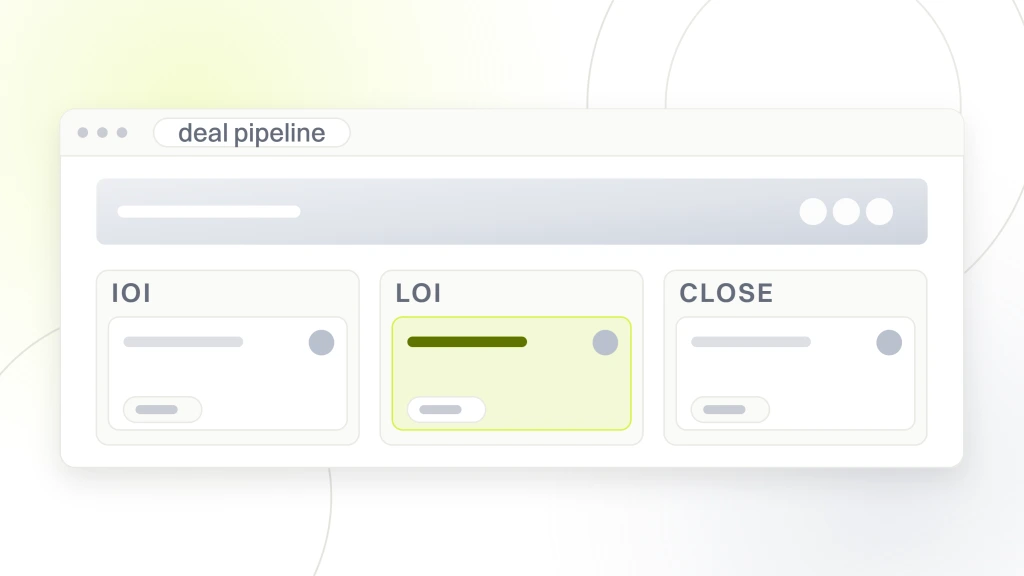
When you’re selling dental practice to DSO buyers, the transition from Indication of Interest to Letter of Intent typically takes 3 to 5 weeks. During that window, each bidder refines their valuation range, presents preliminary deal structure, and proves cultural fit through direct conversation with the seller. Sellers who move too fast at this stage leave value on the table.
Read the IOI carefully
An IOI shows a valuation range on adjusted EBITDA (usually a 2-turn spread), a preliminary cash-to-rollover split, and expected employment terms in broad strokes. Read the spread and the anchor. A tight range means the buyer has done their homework and is bidding aggressively. A wide range means the buyer is hedging. Prefer aggressive buyers with tight ranges in your final four. They’ll bid to the top of the range once you run the process right.
Management presentations set the tone
Between IOI and LOI, each remaining bidder gets a 90-minute management presentation. Present the practice history, the growth story, the marketing attribution, the team structure, and the deal shape you want. Buyers use these sessions to test cultural fit and to price up or down inside the IOI range. A confident, well-prepared presentation moves the multiple a quarter turn higher than a defensive one. Practice the presentation with your broker or attorney twice before the first bidder session.
Final LOI selection criteria
Signing LOI locks you into 45 to 75 days of exclusive diligence with a single bidder. Choose the LOI on three criteria. Highest multiple in the top 3 bids. Cleanest MSA terms across the shortlisted platforms. And strongest cultural fit inside your 10 reference calls. Never sign LOI purely on top-line price. A slightly lower top-line offer with cleaner MSA terms and better cultural fit produces more value over the full 7-year employment agreement than the highest bidder with the worst terms.
Protect the multiple during diligence
Diligence runs 45 to 75 days from signed LOI to close, and it’s the second hardest phase of selling dental practice to DSO buyers after the MSA. In that window, the buyer team pressure-tests every claim in your management presentation and IOI. Roughly 15% to 20% of practices that sign LOIs never close, so the fix is prep. Prepared sellers close at the LOI multiple. Unprepared sellers close 5% to 15% below LOI or watch the deal fall through.
Financial diligence and the QoE re-run
The buyer will hire a dental-focused accountant to run a Quality of Earnings on your practice. If your self-directed QoE from quarter 3 of preparation matches the buyer QoE within 5%, the deal moves fast and clean. If the buyer QoE lands 10% or more below your reported EBITDA, expect a purchase price re-cut inside 2 weeks. Keep the delta small by fixing every add-back deviation your own accountant flagged 6 months out.
Marketing diligence and attribution defense
Buyers ask for 24 months of new patient source data, call tracking logs, form-fill reports, and ad account access. Practices with clean attribution walk through this in 2 weeks. Practices with informal attribution defend for 4 to 6 weeks and often lose a quarter turn on the final multiple. Our team runs the attribution playbook that holds the multiple through diligence as part of our Dental Marketing Retainer starting at $1,499/mo.
Legal diligence and disclosure schedules
Legal diligence reviews corporate structure, employment agreements, associate contracts, insurance policies, and every disclosure schedule that supports the representations and warranties in the purchase agreement. Every disclosure should be prepared before diligence starts. Sellers who scramble on disclosures look disorganized and get penalized in the working capital true-up and the holdback negotiations. Prepared sellers arrive with binders that answer every question the buyer legal team could ask.
MSA negotiation, line by line, when selling dental practice to DSO buyers
The MSA is the 7-year operational contract that governs the practice after close, and it’s where selling dental practice to DSO buyers either pays off or grinds you down. The LOI sets the check at close. The MSA sets daily life for the next 7 years. Read the MSA harder than the LOI. Hire a dental transaction attorney who has redlined at least 20 MSAs and pay them by the hour to walk yours line by line.
Management fee structure to accept
Accept a management fee tied to collections at 6% to 10%. Reject any fee floor that keeps the DSO whole when collections dip. Push for a variable fee that scales with practice performance in both directions. If the DSO wins when you win, alignment is real. If the DSO wins whether you win or lose, alignment is fake. A variable fee also matters in a soft-payer year when collections drop 15% and the practice needs breathing room.
Good-leaver and clawback provisions
Push good-leaver to include retirement after age 60, permanent disability, terminal illness, and non-renewal by the DSO. Push clawback to zero for early departure caused by health or family issues. The platform will resist. Push anyway. Your rollover equity should not evaporate over a health crisis or a spouse relocation. These provisions get negotiated on the last day of the deal, so line them up early and hold firm.
Rollover redemption formula
Rollover redemption rules control how you cash out equity if you leave before a platform sale. Reject book value redemption. Negotiate a formula tied to trailing 12-month EBITDA and the platform multiple at the time of redemption. Also negotiate a floor multiple at 6x so the DSO cannot slash the redemption in a bad year. That floor protects downside without capping upside. Both sides should sign on this once it aligns incentives across the 7-year employment term.
Deal shape by practice profile in a dental practice DSO sale
Deal shape varies by practice profile when selling dental practice to DSO acquirers. The table below shows what multiples, cash splits, and employment terms look like across 5 common profiles our team has watched close between 2023 and 2025. Use these ranges as benchmarks, not templates for your own numbers.
| Profile | Collections | Multiple | Cash | Rollover | Employment |
|---|---|---|---|---|---|
| Solo GP, one office | > $2M | 7x to 8x | 80% | 20% | 6 years |
| Ortho specialty | > $3M | 10x to 11x | 75% | 25% | 8 years |
| Oral surgery | > $3M | 11x to 13x | 70% | 30% | 7 years |
| Pediatric group, 3 offices | > $4M | 8x | 75% | 25% | 7 years |
| Multi-location GP, 5+ offices | > $6M | 8x to 9x | 75% | 25% | 6 years |
Read the table with practice-specific inputs in mind. A practice at the low end of collections in each row prices at the low end of the multiple range. A practice at the high end with clean marketing attribution and 18 months of month-over-month growth prices at the top. Specialty multiples run higher than GP because case values and predictable insurance economics let the buyer forecast future revenue with more confidence.
What drives you above the top of the range
Three inputs push you above the top of the range when selling dental practice to DSO groups. First, 24 months of documented month-over-month new patient growth. Second, a payer mix skewed toward group PPO contracts the buyer can renegotiate up. Third, a second location or an associate ready to become a productive full-time producer. Any of those three individually adds a quarter turn. All three together add a full turn on the final multiple at close.
Case study on Smile Design Dentistry as a platform buyer
Smile Design Dentistry runs 50+ locations across Central Florida and Tampa Bay. Founded in Dade City, Florida in 2004, the group covers cosmetic, emergency, preventive, and specialty care. When our team engaged with Smile Design, the offline reputation was strong, but the digital marketing operation was fragmented across every office. At platform scale, marketing execution either compounds your rollover value or dilutes it.
Our team restructured the PPC accounts by funnel stage and geography, built separate landing pages for every service line and market, and layered full-funnel paid social. Cost per call fell 30% across the network within 12 months. PPC conversion rate grew 20% year over year. 50+ offices reported on a single dashboard for the first time. Sellers who signed with Smile Design watched EBITDA at the practice level grow within the first 18 months once central marketing spend deployed against clean attribution data, similar to the outcomes our Dental SEO Services team delivers on single-office engagements.
Why marketing execution matters at the platform
Marketing execution is the fault line where selling dental practice to DSO buyers either compounds or dilutes value. When the central marketing team lands with clean strategy and attribution, EBITDA at the local practice grows. When central marketing struggles, individual offices resent the loss of local vendors and the operational rhythm feels punitive. Ask any DSO buying dental practices in your metro for specific examples of local marketing wins at 5 to 10 of the platforms they acquired last year. Our full guide to DSO buying dental practices walks the buyer-side view of that same conversation.
What this teaches solo sellers
Solo owners selling dental practice to DSO platforms with strong operations benefit from marketing scale they could not build alone. Central creative rolls out to every location the same week. Payer contracts negotiate under group buying power. Attribution rolls up on one dashboard. These are the operational reasons DSO EBITDA grows in the first two years post-affiliation. Pick your platform on execution track record, not on brand size or pitch deck polish. Reference calls confirm which platforms delivered on this promise across recent transactions.
Year one operations after selling dental practice to DSO buyers
Year one has a predictable shape after close. The first 30 days feel quiet. Days 30 to 90 get noisy. Days 90 to 180 stabilize. Days 180 to 365 normalize. Sellers who plan for this arc at LOI have a smoother first year than sellers who arrive on day one expecting the DSO to run the practice exactly as it ran before close.
Days 1 to 30 after selling a dental practice to a DSO, the observation phase
The first 30 days are quiet on purpose. The DSO integration team gathers documents, runs orientation with your team, and observes your workflow. No PMS change. No payroll change. No marketing change. Your team relaxes because nothing feels different from day zero. Sellers should use this window to identify a backup for the office manager position and to talk with the clinical team about the coming operational shifts, so no one feels blindsided.
Days 30 to 90, the change window
Days 30 to 90 the operational noise kicks in. PMS conversion starts. Payroll moves to central. Marketing shifts to central. Supply ordering moves to the group purchasing agreement. Your front office feels every change. The front office manager quits at roughly 40% of practices in this window. Plan for it. Have a backup ready. Talk calmly with the clinical team. Frame the operational shifts as part of a broader platform integration, not a punitive centralization move.
Days 90 to 365, the stabilization arc
By day 90 the payer contracts renegotiate to the group schedule. Marketing central spend picks up. Central creative rolls out on the local website. By day 180 the practice runs on a stable operational rhythm. By day 365 the seller has adjusted to weekly regional ops calls, monthly platform updates, and the shift from owner-operator to employed provider with equity. Most sellers describe year two as easier than year one once the operational churn is behind them.
Second-bite math on the rollover slice
Second-bite math is the reason most owner-dentists keep selling dental practice to DSO groups rather than to solo buyers. The second bite is the transaction that happens when the DSO private equity sponsor sells the platform to the next sponsor, usually every 4 to 7 years. Your rollover equity gets repriced at the new platform multiple. Across recent transactions, second bites deliver 1.5x to 3x return on rollover equity. Roughly 15% to 20% of platforms underperform and deliver a smaller or zero second bite.
Three drivers of second-bite value
Three drivers move second-bite value. Platform EBITDA growth over the hold period. Sponsor multiple expansion at exit. And your rollover slice at close. If EBITDA grows 2x and the multiple expands from 12x to 14x, your rollover appreciates roughly 2.3x. If EBITDA stays flat and the multiple contracts, the rollover returns less than 1x. Read the sponsor track record on prior dental platform exits before you sign the LOI.
What the sellers who signed early earned
Sellers selling dental practice to DSO platforms in 2019 or 2020 saw first exits in 2023 and 2024. Rollover equity from those early transactions repriced at 2.5x to 3x initial book value. That’s real capital, not paper wealth. Sellers who signed with underperforming platforms in the same window saw rollover flat or declined at exit. The difference was entirely sponsor quality and platform EBITDA execution, both of which you can screen for at LOI with the right reference calls.
What sellers should ask sponsors at IOI
Ask three questions of every sponsor behind every platform at your bidder table. What was the hold period on the last two dental platforms they exited? What multiple expansion happened between entry and exit on those platforms? And what percentage of rolled sellers on those prior platforms earned returns above 2x on their rollover? A reputable sponsor tracks this data and shares it in diligence. A sponsor that won’t share is a sponsor to skip in your final four.
Tax planning that changes the net check
Tax planning before selling dental practice to DSO buyers changes the net proceeds on the closing check by 10% to 25%. Federal capital gains rates, state income tax rates, and deal structure all factor in. Hire a tax advisor with dental transaction experience 12 months before you go to market. Coverage from Dental Economics at dentaleconomics.com and the ADA at ada.org both publish annual guidance on the tax angle.
Asset versus stock sale treatment
Most DSO transactions get structured as asset sales for tax purposes. That treatment gives the buyer a step-up in basis and lets the seller allocate purchase price across categories with different tax treatment. Goodwill gets capital gains treatment. Fixed assets and inventory get ordinary income treatment. Negotiate the purchase price allocation aggressively during LOI negotiation. A dental tax advisor can save you $50K to $200K on a typical transaction through smart allocation choices.
Rollover equity tax treatment when selling dental practice to DSO buyers
Rollover equity typically qualifies for tax-deferred treatment under IRC Section 351 or Section 721 when structured correctly. That means the seller does not pay tax on the rollover portion at close. Tax gets paid when the rollover cashes out at second bite. Structure the rollover incorrectly and you owe tax on the paper value at close, which can add 30% to 40% to your out-of-pocket at closing. Read every rollover document with your tax advisor before signing.
State residency planning
Some sellers use the transaction to trigger a state residency change from a high-tax state to a no-income-tax state like Florida or Texas. Establishing residency takes 6 to 24 months of planning depending on the source and destination states. If the tax savings on your specific transaction justify the move, plan it 24 months out. Rush jobs on residency planning fail audits and cost more in penalties and legal fees than the tax savings the seller was chasing.
Working with a marketing partner through the deal
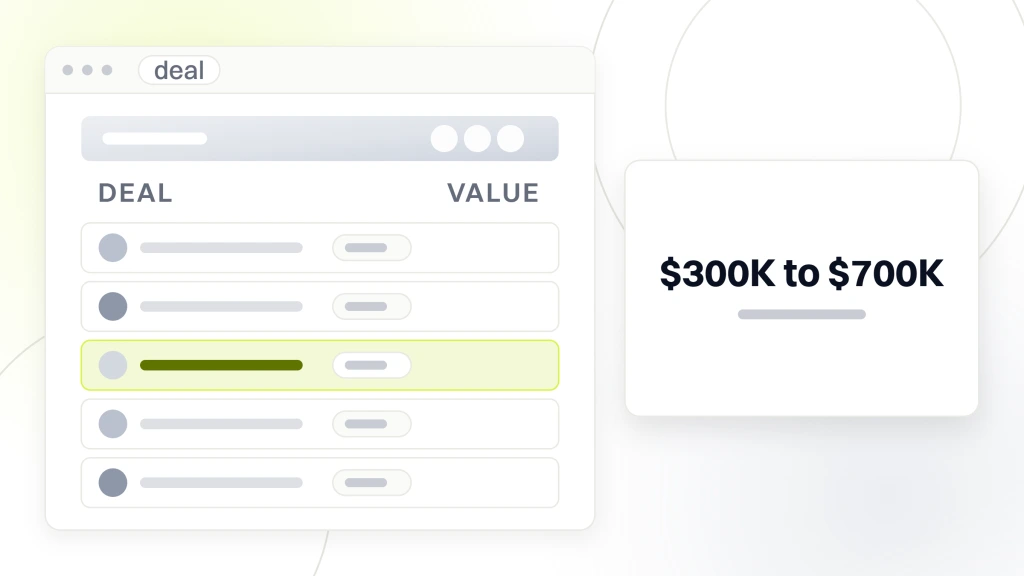
A specialized marketing partner earns their fee twice when you’re selling dental practice to DSO buyers. Once at LOI, when documented month-over-month new patient growth prices the practice half a turn higher. Once during diligence, when clean attribution data holds the multiple against the buyer QoE re-run. On a $2M collections practice, both events combined move the closing check $300K to $700K over what an unattributed practice would achieve.
For platforms scaling patient acquisition across a full network, our DSO Dental Marketing for Multi-Location Groups program covers the full playbook. Single-location sellers preparing for a DSO conversation start there and layer on retainer options once the transaction timeline gets clearer. The Dental Marketing Retainer starts at $1,499/mo for the ongoing SEO, content, and reporting work that produces the numbers the buyer will value at LOI.
What the retainer produces in 12 months
Twelve months of consistent retainer work produces the artifacts buyers price highest when you’re selling dental practice to DSO acquirers. Documented new patient source data on every marketing channel. Call tracking logs against every campaign. Segmented reporting by service line and by geographic market. A cost per acquisition number your buyer can trust at first read. All four artifacts arrive on the pre-diligence document list your broker sends to bidders in the first week of the process, and the underlying attribution builds on the core reporting work the retainer team runs each month. That reporting work is what took Smile Design Dentistry to a 30% cost per call cut and 20% PPC conversion rate gain across 50+ offices.
When to start with the retainer
Start the retainer 12 months before you plan to begin selling dental practice to DSO buyers. Six months minimum gets you enough data to move the multiple by a quarter turn. Twelve months gets you the top of the range. Below 6 months of clean marketing data, the buyer team discounts the story as unverifiable and the multiple drops accordingly. Start early enough and let the numbers compound before you engage any broker or take any buyer call. VP Dental, a 20+ year practice, doubled new monthly patients and added $8,100/mo in recurring revenue over a 12-month unified web plus SEO build, the same shape of artifact stack DSO buyers value at LOI.
A final read on selling dental practice to DSO
Selling dental practice to DSO buyers is a 12-month project, not a 60-day event. The 12 months of prep on books, marketing attribution, quality of earnings, and buyer positioning drive most of the multiple you achieve at close. The 60 days from LOI to close are where preparation pays off, not where value gets created for the first time.
If a buyer calls today and you have not started preparing, take the call, ask smart questions, put the IOI in a drawer, and start the 12-month project this week. If you have already started preparing, run the competitive process, hold the multiple through diligence, and negotiate the MSA line by line. Prepared sellers win in every market condition, whether the buyer pool is aggressive or cautious this quarter.