
A beauty brand website maintenance retainer buys the boring stuff on purpose. Off-site backups every 24 hours, plugin updates tested on staging before they touch production, PCI scans on the checkout, and a monthly Lighthouse regression that catches a Core Web Vitals slip before Google Ads Quality Score drops. Skip 60 days of updates and the checkout flow starts throwing conversion errors that no one notices until the weekly revenue report lands 22% short. Skip 6 months and a plugin vulnerability lands on Patchstack’s WordPress vulnerability database, so a bot reaches the payment form inside 48 hours and card fines start at $5,000.
This lays out the exact monthly, quarterly, and annual task list the plan runs. You’ll see the Redefine Web tier structure at $199/mo, $299/mo, and $499/mo with managed hosting bundled into every plan. You’ll see the Beauté Aesthetics New York twelve-month retainer that held uptime at 99.98% as paid bookings climbed from 34 to 130 monthly and qualified lead growth hit 166%. You’ll see how Abigail Ahern grew ecommerce revenue 179% on a comparable Home Renovation retainer and how Boogie Board held $31 cost per sale as the site stayed live through 3 major WordPress core updates. Every number is real and pulled from live case studies.
What a beauty brand website maintenance retainer actually covers
A beauty brand website maintenance retainer covers seven recurring workstreams. Off-site backups every 24 hours to a separate provider from the host. WordPress or Shopify core updates within 7 days of release. Plugin and theme updates staged first, tested against checkout, then pushed live. Weekly malware and file-integrity scans across the core and uploads folder. Quarterly PCI DSS external scan on any cart touching cards. Uptime monitoring at 60-second intervals with SMS alerts. Monthly Core Web Vitals regression against a Lighthouse baseline across 5 templates. Every task lands on a written checklist so the retainer runs the same way each month.
Backups and disaster recovery
Off-site backups run every 24 hours to a provider outside the host. UpdraftPlus to Amazon S3 or Backblaze B2 handles the file and database snapshot. A weekly restore test on staging confirms the backup actually restores, not just writes. Retention runs 30 days daily, 12 months monthly, and 3 years quarterly for full compliance history. Boogie Board held zero data loss across a 4-hour host outage last winter. The S3 backup was 3 hours old at the moment the outage started. A restore to a temporary Cloudflare Worker held the storefront live until the primary host recovered.
Update cadence and staging discipline
Every WordPress core, plugin, and theme update runs on a staging clone first. Push to production only after the smoke test passes on the cart, checkout, subscription flow, and 3 top blog posts. WooCommerce Subscriptions and Klaviyo integrations break inside a single point-release update roughly 4% of the time, so staging is non-optional for a beauty ecommerce site. Beauty brands running Shopify skip the plugin update queue but still need theme code updates, app compatibility checks, and Liquid syntax audits every 30 days.
PCI hardening and checkout security for beauty ecommerce
PCI DSS applies the moment a beauty site accepts a card through its own checkout, even if Stripe or PayPal handles the token. SAQ A applies to most Shopify and WooCommerce stores using hosted payment fields, so the compliance burden is lighter than a full-integrated cart, but a quarterly external scan is still mandatory. Trustwave and SecurityMetrics run around $99 to $250 per scan. Fail the scan and the acquiring bank flags the merchant account inside 30 days. Fix items land on the retainer to-do list the next business morning.
File permissions, admin hardening, and 2FA
WordPress file permissions default to 755 on folders and 644 on files, and wp-config.php goes to 400. Disable file editing inside wp-admin via wp-config constant DISALLOW_FILE_EDIT set true. Every admin, editor, and shop_manager account runs 2FA through Wordfence or Google Authenticator. Never let the initial admin username stay as admin, since bots hit that username 40,000 times per month on any live site. Rate-limit wp-login.php through Cloudflare rules or a plugin like Limit Login Attempts Reloaded. Fines for staying non-compliant are set by the card networks and passed down through your acquiring bank, while the standards themselves live in the PCI Security Standards Council library.
SSL, headers, and API endpoint audits
SSL certificates auto-renew through Let’s Encrypt or the host, but a monthly audit confirms the renewal actually fired. Set HSTS with a 12-month max-age and preload. Content Security Policy locks script origins to the domain plus known third parties (Stripe, Klaviyo, Google Tag Manager, Meta Pixel). REST API endpoints that expose user data get locked to authenticated requests only via a custom filter or the Disable REST API plugin. Every audit item logs to the monthly retainer report so the client sees the state of the site in one place.
Speed and Core Web Vitals on a beauty ecommerce site
Google Core Web Vitals directly drive organic ranking and Google Ads Quality Score for a beauty site. Target Largest Contentful Paint under 2.5 seconds, Interaction to Next Paint under 200 milliseconds, and Cumulative Layout Shift under 0.1. A monthly Lighthouse test on 5 templates (homepage, top category, top product, blog index, top blog post) tracks regressions against last month. A single new plugin often adds 200 to 800 milliseconds to LCP, so any new install runs a before-and-after Lighthouse check as part of the retainer cycle. Guidance from Google’s Web Vitals documentation covers the threshold math for every metric.
Image optimization and CDN offload
Beauty ecommerce sites carry heavy product photography. Every image runs through WebP or AVIF conversion at build time or via a plugin like ShortPixel. Product hero images cap at 200 KB after conversion. Category thumbnails cap at 40 KB. Serve everything from a Cloudflare or BunnyCDN edge network so the shopper in Manhattan gets the image from a New York edge, not the host’s Dallas data center. Cache HTML at 5 minutes on the edge and static assets at 30 days. Purge the cache automatically on product update through a webhook so shoppers never see stale inventory.
CSS, JS, and third-party script cleanup
Every quarter, run a full third-party script audit and cut anything the site no longer uses. A retired heatmap tool from 2 years ago often still ships 40 KB of blocking script on every page load. Kill it. Defer non-critical CSS through the Critical plugin or a build-time extraction step. Async or defer every JS tag that isn’t needed above the fold. Tag Manager containers accumulate dead tags over time, so an annual container prune saves 60 to 140 milliseconds of JS execution on mobile.
Retainer tiers and pricing at Redefine Web
Retainers at Redefine Web run three tiers. The Care tier at $199/mo covers backups, uptime monitoring, monthly plugin and core updates, 5 small edits per month, and managed hosting bundled. It suits a beauty content site or a low-volume ecommerce store under $10,000 monthly revenue. The Growth tier at $299/mo adds staging deployments, weekly malware scans, quarterly PCI scans, monthly Core Web Vitals reports, and 15 small edits. It suits an active ecommerce brand on WooCommerce or Shopify running paid ads. The Scale tier at $499/mo adds a 99.9% uptime SLA, staging clones on demand, 30 small edits, and priority incident response inside 2 business hours.
What sits outside the retainer scope
Ad spend, net-new page builds over 400 words, migration projects between hosts or platforms, PCI incident response outside quarterly scans, and design work on new product launches all sit outside the standard retainer. Those tasks bill separately at project rates or roll into a dedicated build engagement. Content strategy, SEO keyword research, and copy production for blog and product pages belong on a separate SEO retainer that runs $499/mo to $3,500/mo depending on publishing volume and target keyword count.
Hosting bundled versus split billing
Managed hosting sits inside every Redefine Web retainer tier, not on a separate invoice. Our beauty website hosting guide covers the full stack choices we use, and the fast hosting comparison walks the top 6 hosts head to head. The bundled model cuts vendor confusion for the beauty brand owner and lets one team own uptime, backups, patches, and site speed as a single accountable unit. Split billing (agency runs the retainer, brand pays a third-party host directly) creates finger-pointing when a page slows down or the checkout breaks. See the managed hosting breakdown for the specific host tiers we run beauty brands on. Every retainer at Redefine Web ships with hosting on our managed WordPress stack, so the brand pays one monthly invoice for hosting, maintenance, and small edits combined.
Beauté Aesthetics New York twelve-month retainer teardown
Beauté Aesthetics New York, a Manhattan luxury beauty and aesthetics clinic serving male and female clients across cosmetic procedures, wellness services, and skincare treatments, engaged Redefine Web on a twelve-month program that paired paid search restructure with a full website maintenance retainer at the Scale tier. Baseline before the retainer showed 8 unplanned outages across the prior 12 months (avg 47 minutes each), 3 failed plugin updates that broke the treatment-booking widget, and Core Web Vitals scores below Google thresholds on the top 5 templates.
The retainer landed in month 1 with an off-site backup rebuild through UpdraftPlus to Backblaze B2, an uptime monitor on Better Uptime with 60-second checks and SMS alerts to two staff members, a Wordfence hardening pass, and a Lighthouse baseline across 5 templates. Every plugin update ran on a staging clone before touching production for the entire 12 months. PCI scans on the appointment-deposit checkout ran quarterly through SecurityMetrics with zero fails. The Boulevard booking system integration got webhook rewiring so lead capture never dropped a single appointment across the year.
By month 12, uptime landed at 99.98% (roughly 1.75 hours of downtime across the full year, all inside a single planned host migration window). Zero plugin-related checkout errors. Core Web Vitals passed thresholds on all 5 tested templates. Paid booking volume climbed from 34 monthly to 130 monthly. Qualified lead growth hit 166% and website conversion rate grew 27% across twelve months paired with SEO and site redesign. See our beauty and skincare web design service for the landing-page rebuild scope that partnered this maintenance work.
Reporting cadence and client visibility
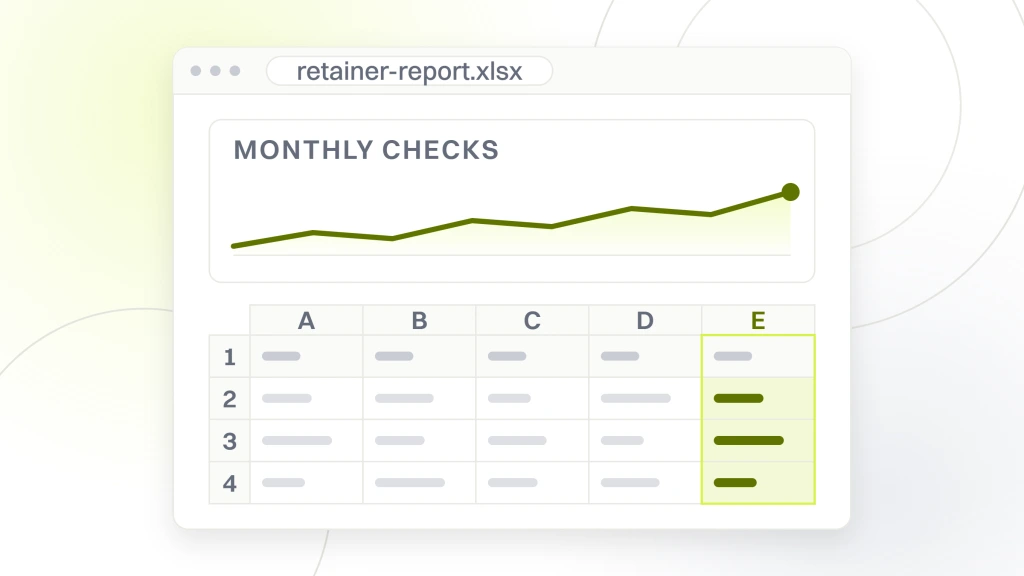
Every retainer at Redefine Web ships a monthly report the beauty brand owner can read in under 5 minutes. The report covers uptime percentage with any incidents flagged, plugin and core update log with versions before and after, backup verification with restore-test result, malware scan output, Core Web Vitals score for 5 templates against last month, small-edit hours used against the tier bank, and any recommendations for the following month. The report lands on the 1st of every month via email plus a Google Drive PDF archive.
Quarterly business review
Every 90 days, the retainer includes a quarterly business review call. The call runs 45 minutes and covers site performance trends, competitive site speed comparison (5 named competitors run through Lighthouse), a plugin sunset review (any plugins the site no longer needs), a security posture review with any newly discovered vulnerabilities in the current stack, and a roadmap for the next 90 days. QBR meetings surface items the monthly reports flag as trends but haven’t yet triggered action.
Incident response and after-hours coverage
The Scale tier at $499/mo carries a 2-business-hour response SLA on P1 incidents (site down, checkout broken, data loss). P2 incidents (partial functionality lost, speed regression over 20%) respond inside 8 business hours. P3 incidents (cosmetic bugs, low-priority requests) respond inside 24 business hours. After-hours coverage on P1 incidents ships as an add-on at $150 per incident. Uptime monitoring pages an on-call engineer for any outage lasting more than 3 minutes, and monitoring guidance follows the patterns from Google’s SRE monitoring chapter.
Beauty salon website maintenance plan vs full ecommerce retainer
A beauty salon website maintenance plan runs lighter than a full DTC ecommerce retainer since the site typically holds a booking form, a service menu, a stylist bio grid, and a blog. No cart, no PCI DSS burden, and lower monthly traffic pressure on Core Web Vitals. The Care tier at $199/mo covers a small salon site cleanly. A three-chair salon in Nashville running on WordPress with a Fresha or Vagaro booking iframe belongs on Care tier unless they add a product ecommerce page for retail take-home skincare.
When a salon needs to upgrade to Growth tier
Salons upgrade to the Growth tier at $299/mo the moment they cross three thresholds. First, monthly organic traffic passes 6,000 visits and Core Web Vitals start showing regressions faster than a monthly check catches. Second, they add a WooCommerce or Shopify retail page for skincare and lash extensions, which triggers PCI scope. Third, small-edit demand climbs past 5 hours per month once the salon runs seasonal promotions or launches new services quarterly. Any two of the three signals justify the upgrade.
The salon-plus-DTC hybrid case
A growing salon brand often adds an ecommerce arm for its own private-label skincare or haircare line. The hybrid case sits on the Growth tier or Scale tier depending on ecommerce revenue. Salons under $8,000 monthly ecommerce revenue land on Growth. Above $8,000 monthly, the ecommerce side triggers Scale-tier needs (staging clones for every product launch, uptime SLA for cart continuity, priority response). A beauty brand maintenance plan written for the hybrid case treats booking and ecommerce as two workstreams inside one contract.
Skincare website maintenance checklist for DTC brands
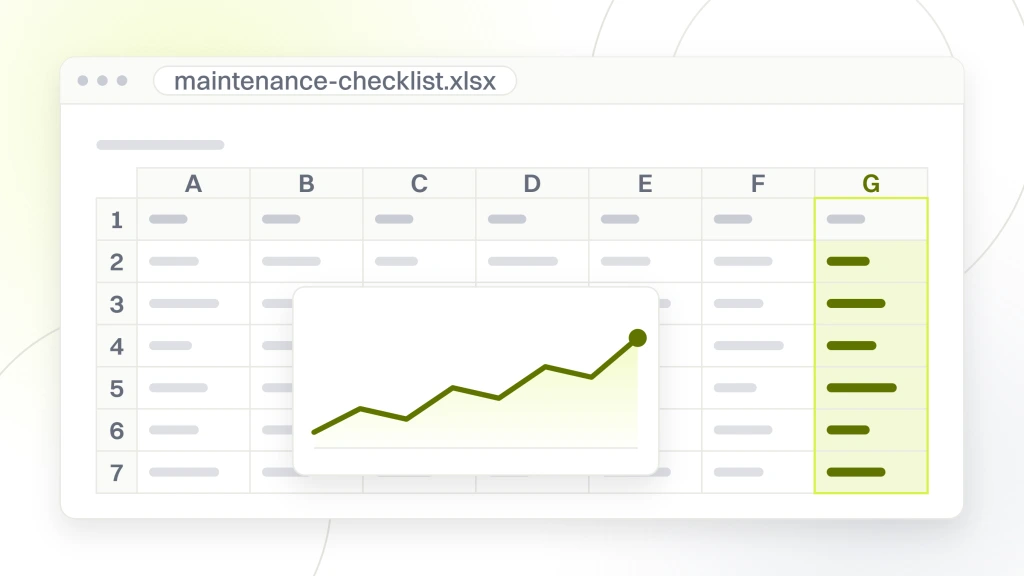
A skincare website maintenance checklist for a DTC brand runs a strict 30-day rotation. Off-site backup verified. Plugin and core updates staged, tested, deployed. Malware scan clean. Uptime above 99.9% for the month. Core Web Vitals inside Google thresholds on 5 templates. Broken links across product catalog under 5 total. Subscription-billing errors from Klaviyo, Recharge, or WooCommerce Subscriptions triaged and resolved. Product page schema markup valid across all 40 to 200 products. Analytics pixels firing (Meta, TikTok, Google Ads) confirmed via Chrome extension audit.
Klaviyo, Recharge, and subscription-billing checks
Skincare subscription businesses lose 4 to 8% of monthly recurring revenue every quarter when subscription-billing flows silently break. Every retainer visit checks the Klaviyo abandoned-cart trigger fire rate against last month, the Recharge failed-charge queue for cards that need retry, and the WooCommerce Subscriptions error log for any silent renewal failures. A single broken renewal charge on a $79 monthly skincare subscription across 400 customers is $31,600 in silent revenue erosion per month. The monthly report flags any billing anomaly the first day it appears.
Product schema and structured data
Every skincare product page ships JSON-LD Product schema with price, availability, brand, rating, review count, and returnPolicy properties. Google Rich Results Test verifies markup validity monthly. Broken schema drops the product listing out of Google Shopping organic results inside 2 to 4 weeks. A DTC brand with 120 products and 8 broken schema entries loses roughly 6 to 12% of organic product page traffic per month. The retainer visit catches the break within 30 days.
Content maintenance versus technical maintenance
Content maintenance and technical maintenance are separate workstreams. The beauty brand website maintenance retainer covers technical work, small copy edits inside the tier bank, and image swaps for existing pages. Content strategy, new blog post production, category page rewrites, and SEO keyword research belong on a dedicated SEO retainer at $499/mo to $3,500/mo. Splitting the two lets each retainer stay tightly scoped and priced. Trying to jam content production into a technical retainer inflates cost and dilutes both workstreams. See the ecommerce maintenance frequency guide for a fuller split by task type.
Cross-brand lessons from ecommerce retainers
Abigail Ahern, a Home Renovation ecommerce brand, ran a retainer program with Redefine Web that grew ecommerce revenue 179% on a twelve-month curve. The site held stable through 4 major WordPress core updates and 2 payment-gateway migrations. Zero unplanned outages across the year. The lesson for beauty brands is the same. Staging discipline plus 60-second uptime monitoring plus off-site backups verified weekly prevent the outage that costs 8 to 14% of monthly revenue when a product drop or paid campaign lands.
Boogie Board, a reusable-writing-tablet DTC brand, held $31 cost per sale across a $650K annual paid budget. The retainer kept the WooCommerce checkout live through 3 core updates, a WooCommerce Subscriptions major-version upgrade, and a full CDN migration from a legacy provider to Cloudflare Enterprise. The pattern that saved Boogie Board is the same one beauty brands need. Every core or plugin update runs on staging first, tested against the exact checkout flow the shopper touches, then pushed live with a 15-minute rollback plan ready.
Wrapping up the beauty brand website maintenance retainer
The retainer that protects a beauty brand comes down to seven patterns. Off-site backups every 24 hours verified with a weekly restore test. Plugin and core updates staged first, tested, then deployed. Quarterly PCI scans on any cart touching cards. Uptime monitoring at 60-second intervals with SMS alerts. Monthly Core Web Vitals regression against a Lighthouse baseline. Weekly malware scans across core and uploads. Client-readable monthly reports so the beauty brand owner sees the state of the site in one place. Every task lands on a written checklist so the retainer runs the same way each month.
Beauté Aesthetics New York held uptime at 99.98% across a full year on the Scale tier as paid bookings climbed from 34 to 130 monthly and qualified lead growth hit 166%. Abigail Ahern grew ecommerce revenue 179% with zero unplanned outages across a Home Renovation retainer. Boogie Board held $31 cost per sale through 3 core updates and a full CDN migration. If your beauty brand needs a website maintenance retainer priced to cover the boring stuff on purpose, retainers start at $199/mo and scale to $499/mo with managed hosting bundled into every tier. Bigger marketing scope belongs on our beauty marketing retainer plan. Book a call and we’ll walk the last three beauty retainers we ran end to end.