A $3M collections practice heading to market in 12 months has one cheap advantage most owners waste. The DSO dental conference calendar puts you in a room with active platform business development teams, sponsor investment professionals, and industry advisors across three or four days. Total DSO dental conference budget across 2 to 3 events runs $10,000 to $20,000, less than 1% of the eventual sale consideration. Owners who attend with a clean preparation story typically leave with 5 to 10 warm introductions to target platforms and a much sharper read on which teams will actually take the meeting seriously. This guide walks the full DSO dental conference calendar for 2026, the specialty gatherings worth the flight, sponsor-hosted seminars, the regional group meetings that cost a tenth of a Summit badge, a preparation framework, and a follow-up cadence that turns hallway chat into a real business conversation. Our dental marketing hub covers the operational runway platform teams look for during DSO dental conference conversations.
What is in this guide
- The main DSO summits and who they draw
- Specialty events worth the flight
- The full DSO dental conference calendar compared
- Regional group meetings and sponsor seminars
- Preparing before you walk the exhibit hall
- How Smile Design Dentistry used conference prep across 50-plus locations
- Follow-up cadence after the event
- Common mistakes that shrink your outcome
- Working with a partner on the 12 month runway
- Independent resources to track monthly
- Final read on the year’s planning
The main DSO dental conference summits and who they draw
Two DSO dental conference summits anchor the year for group practice owners preparing to sell. The Dykema DSO Conference runs July 15 to 17, 2026 at the Gaylord Rockies Resort in Denver with 1,500-plus C-suite attendees. The ADSO Annual Summit runs June 15 to 17, 2026 in Chicago, planned by DSOs for DSOs. Both events pull active platform business development teams, sponsor investment professionals, and the legal and financial advisors who close the deals. Owners who attend one of these events during the 12 month preparation window meet target platforms directly and gather qualitative context on operational fit that formal outreach rarely produces at the same depth.
The DSO Leadership Summit spring session draws 1,200 to 1,600 attendees and the fall session pulls 900 to 1,200. Registration typically costs $4,500 to $7,500 per attendee including main stage sessions, breakout workshops, meals, and networking events. The DEO Operations Intensive runs April 30 to May 2, 2026 at the Renaissance in Dallas for a 3-day operations-focused format. Owners choose one DSO dental conference per year based on which cycle fits the market timing. Attending both back to back rarely produces meaningful incremental introductions since the same core sponsor and platform audience shows up at both.
Read the attendee list before you register. A DSO dental conference at 1,500 attendees means platform business development teams have limited bandwidth per owner. Warm introductions arranged 60 days before the event separate you from the 200 other owners walking the exhibit hall cold. Owners who plan 8 to 15 scheduled meetings during the event get 30 to 45 minute conversations with senior business development staff. Owners who walk in cold get 5 minute exhibit hall exchanges with junior staff who cannot make substantive follow-up commitments during the event window.
Specialty DSO dental conference events worth the flight
Specialty DSO dental conference events give specialty owners targeted access to specialty platforms in one room. Ortho, pedo, oral surgery, and endo each hold major annual meetings with DSO platform representation in the exhibit hall and networking sessions. Specialty owners should attend the specialty event over the general DSO summit because specialty platform business development runs deeper at specialty gatherings. General DSO events cover specialty segments at the surface. Specialty events cover them as the primary attendee focus, with the sponsor investment professionals who fund specialty rollups also on the ground.
American Association of Orthodontists Annual Session
The AAO Annual Session draws every major ortho DSO platform to the exhibit hall with 10,000-plus attendees. Ortho owners inside their 12 month preparation window should treat AAO as their primary DSO dental conference for the year. Ortho platform business development teams staff their booths with experienced people across all exhibit hours. You can gauge platform operational sophistication through the quality of the exhibit hall conversations alone. Well-run ortho platforms send experienced business development professionals who can talk through operational fit, doctor-partnership models, and integration philosophy with concrete detail. Less serious platforms send junior staff with generic marketing collateral and no answers on specific transaction terms.
American Academy of Pediatric Dentistry Annual Session
The AAPD Annual Session draws every major pediatric DSO platform alongside sponsor investment professionals focused on pediatric platform economics. Pediatric owners should attend during their 12 month preparation window. The event runs clinical continuing education that pediatric owners can pick up alongside business development conversations. Pediatric platform teams appreciate owners who invest in both clinical CE and business development conversations because it signals ongoing clinical engagement. That matters for pediatric doctor-partnership models across the sponsor hold cycle when patients and their families rely on continuity of care from the treating dentist across multiple visits.
American Association of Oral and Maxillofacial Surgeons Annual Meeting
AAOMS draws the active oral surgery DSO platforms alongside sponsor investment professionals. Oral surgery owners should treat AAOMS as their anchor DSO dental conference during the preparation window. Oral surgery platforms sit earlier in the consolidation cycle than GP or pediatric platforms, so the platform pool is smaller and one concentrated event covers most of the meaningful options. Oral surgery multiples reached 10x to 12x in mid-2026, driven by high case values and the strong referral network positions oral surgeons hold in most metros with active referring provider communities. Oral surgery owners who arrive with clean referral analytics tend to draw stronger platform interest than owners without that data.
The full DSO dental conference calendar compared
The table below summarizes the main DSO dental conference options with attendee profile, typical attendance, cost estimate, and best-fit owner profile. Use this table to plan 2 to 3 events during the 12 month preparation window rather than trying to attend every event on the calendar. Focused attendance at fewer events produces stronger follow-up than scattered attendance across many events. Sponsor teams remember the owners who show up prepared at two events. They rarely remember the owners who breeze through six.
| Event | Attendance | Cost per attendee | Best for |
|---|---|---|---|
| DSO Leadership Summit spring | 1,200 to 1,600 | $4,500 to $7,500 | GP owners |
| DSO Leadership Summit fall | 900 to 1,200 | $4,500 to $7,500 | GP owners |
| Dykema DSO Conference | 1,500-plus | $4,500 to $7,500 | GP and legal advisors |
| ADSO Annual Summit | 1,000-plus | $3,500 to $6,000 | DSO leadership |
| DEO Operations Intensive | 400 to 700 | $3,500 to $6,000 | Operational fit |
| ADA Annual Convention | 25,000-plus | $3,500 to $6,000 | Early exploration |
| AAO Annual Session | 10,000-plus | $4,000 to $7,000 | Ortho owners |
| AAPD Annual Session | 4,000-plus | $3,500 to $6,500 | Pediatric owners |
| AAOMS Annual Meeting | 3,000-plus | $3,500 to $6,500 | Oral surgery owners |
Read the table with your specific target platform list in mind. GP owners should attend one Leadership Summit session and one specialty or regional. Specialty owners should attend their specialty event and a Summit for market context. Owners early in the preparation cycle who want lower-commitment exposure should attend the ADA Annual Convention group practice track. Owners evaluating operational fit at specific target platforms should attend the DEO Operations Intensive alongside a Summit. Our dental DSO rollout program covers pre-event preparation and post-event follow-up cadence across the 12 month runway ahead of a serious market process.
Read the attendance column with expected conversation depth in mind. Larger events at 10,000-plus attendees produce more surface-level conversations because platform business development teams have limited bandwidth per attendee. Smaller events at 400 to 700 attendees produce deeper conversations because platform teams have more time per interaction. Owners wanting deep operational conversations should target smaller events. Owners wanting broad market exposure and warm introductions to many platforms should target larger events. Both event types have distinct value during the preparation cycle when planned deliberately across the 12 to 18 month runway.
Read the cost column against the eventual sale consideration. Total conference budget across 2 to 3 events runs $10,000 to $20,000 including registration, travel, lodging, and meals. Against a $3M collections practice heading to market, this cost sits at less than 1% of the eventual sale consideration. The introductions generated at events typically translate into faster process kickoff and better bidder table composition, which materially affects the final sale multiple by a quarter to half turn on average across owners who attended events during their preparation cycle. Reference material for the calendar sits on the ADSO events page and the Group Dentistry Now DSO events archive.
Regional group meetings and sponsor seminars
Regional group practice meetings offer a lower-cost DSO dental conference entry point for owners testing the waters before committing to a full market process. State dental association group practice tracks, regional DSO investor forums, and city-level sponsor-hosted seminars typically cost $500 to $1,500 per attendee including registration and travel. That runs a tenth of a Summit badge. The rooms are smaller at 100 to 300 people, but the platforms in the room tend to be regional operators actively acquiring in your metro. That density of relevant conversations often beats the volume of a national summit for an owner with a specific geographic footprint.
- State dental association group practice tracks in Florida, Texas, California, and North Carolina.
- Regional DSO investor forums hosted by advisory firms in Chicago, Atlanta, and New York.
- City-level sponsor-hosted seminars during the year, typically evening format with 40 to 80 owners.
- State association-hosted M&A tracks at annual meetings, often bundled with clinical CE.
- Peer owner mastermind groups that meet quarterly in rotating cities.
- Advisor firm client days that pull 20 to 40 owners plus 10 to 15 active platforms.
Sponsor-hosted seminars deserve a specific note. Investment firms that back DSO platforms often run 1-day educational events in major metros with 40 to 80 owners in the room. The format is educational content plus 1-on-1 meetings with 3 to 5 platform CEOs. Registration is usually free or under $500. The catch is the sponsor firm expects meaningful conversations to convert to their platforms first. Owners should attend without exclusive commitment and use the format for platform introductions rather than treating it as a competitive process. The value is 3 hours of concentrated exposure to platforms you might not meet at the big summits.
Preparing before you walk the exhibit hall
Preparation matters more than the number of events attended. Owners should complete 12 months of operational preparation before attending any event. Clean books. Marketing attribution installed and running for at least 90 days. Staff continuity plans documented. Buyer shortlist built. Warm introduction outreach initiated to target platforms 60 days before the event. Solo owners can review our dental marketing hub for the full preparation runway that platform business development teams look for during conference conversations. Preparation is the single biggest lever on conversation quality at every event on the calendar.
Warm introduction outreach
Warm introduction outreach 60 days before the DSO dental conference maximizes conversation quality. Owners should identify 8 to 15 target platforms and arrange warm introductions through their advisor network, industry service providers, or peer owner referrals. Warm introductions produce scheduled meetings during the conference rather than random exhibit hall drop-ins. Scheduled meetings run 30 to 45 minutes with senior business development staff rather than 5 minute exhibit hall conversations with junior staff who cannot make substantive follow-up commitments during the event window. The 60 day outreach also lets platforms slot you into busy conference calendars.
Practice data summary preparation
A practice data summary gives owners a one-page overview to share during initial DSO dental conference conversations without full financial disclosure. The summary should include practice type, geography, annual collections, adjusted EBITDA range, and a brief operational description without specific financial numbers. Sharing the summary gives platform business development teams enough context to prioritize follow-up. Sharing the full financials during a conference conversation without a signed NDA risks sensitive data traveling through the industry faster than owners expect. The one-page summary protects sensitive data while keeping conversation flow productive at the event.
Conversation talking points
Talking points prepared in advance keep the owner focused during platform conversations. Prepare specific points on operational fit priorities, cultural fit expectations, clinical autonomy requirements, and preferred rollover range. Platform business development teams appreciate owners who arrive with specific priorities because it signals serious preparation. Owners arriving with generic interest typically get polite responses without meaningful follow-up cadence. Preparation directly determines follow-up quality at every event on the calendar across the 12 month runway. Owners who write out talking points the week before the event typically outperform owners who wing the conversations by a 3x to 5x follow-up conversion rate.
How Smile Design Dentistry used conference prep across 50-plus locations
Smile Design Dentistry runs 50+ locations across Central Florida and Tampa Bay under a mature dental DSO structure. Before their platform-level growth phase, the group leadership attended the DSO Leadership Summit annually to gauge competitive dynamics and gather market context. Their preparation runway before each Summit included operational data summaries by service line, marketing performance benchmarks across offices, and target platform lists for potential partnership conversations at the event window.
When our team engaged with the group on digital marketing transformation, the operational data from prior conference conversations informed the initial engagement scope. PPC conversion rate rose 20% year over year. Cost per call fell 30% across the network within 12 months of the engagement start. New patient volume grew across every office. The prior conference conversations helped shape the initial engagement scope by clarifying which operational areas needed the fastest improvement. Preparation across every dimension compounds over time in ways that translate directly into stronger operational execution when the work goes live across the office network.
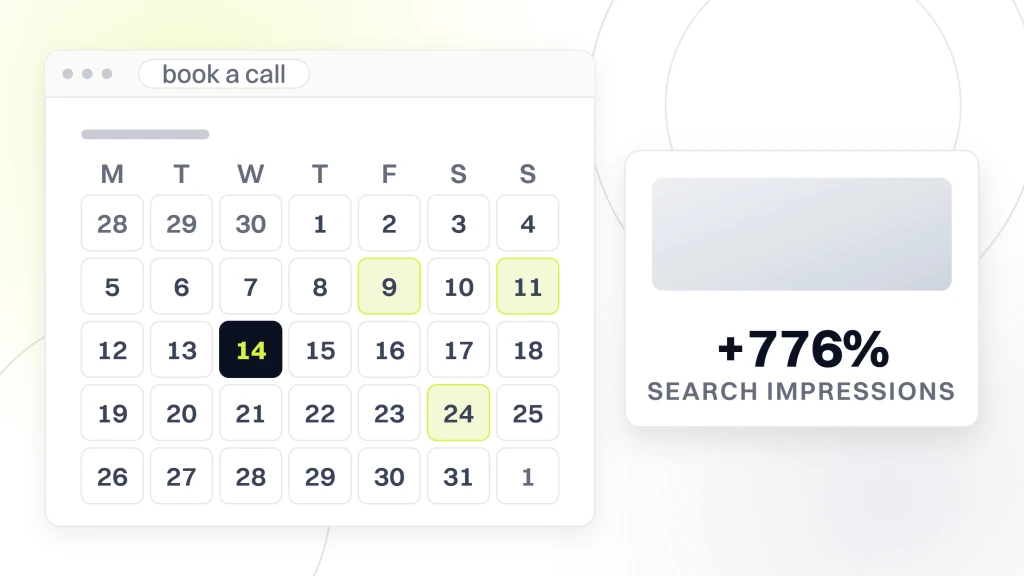
VP Dental, a 20+ year practice led by Dr. Valerie Preston, took a different path. Rather than a full DSO transaction, VP Dental unified web design and SEO under one strategy. New monthly patients doubled with a 100% gain. Search impressions grew 776% through targeted Google Maps SEO. The practice added $8,100 in additional monthly recurring revenue from patients generated through the website. VP Dental’s story shows the value of consolidating vendors before or after a market process to give a cleaner operational read to any platform buyer. North County Dental Care in Vista, CA drove 1,000% patient growth from 2021 to 2024 with unified SEO, PPC, and web work that produced the attribution artifacts a DSO platform business development team wants to see during diligence.
What these cases show about preparation
Preparation before events compounds beyond the conversations themselves. Operational data preparation produces artifacts that inform engagement scoping later. Target platform list preparation informs partnership decisions later. Buyer shortlist preparation informs formal market process planning later. Owners who invest in preparation across every event they attend build a preparation infrastructure that pays back beyond any single event. Our dental SEO services team runs comparable preparation infrastructure for solo owners building attribution artifacts 12 months ahead of market.
Follow-up cadence after the event
The DSO dental conference follow-up cadence turns hallway conversations into real business conversations. Platforms cycle through hundreds of conference conversations and prioritize owners who follow up promptly with specific proposals. Owners who let 60 days pass without follow-up typically lose the platform’s attention entirely and have to restart the relationship building process. Structured follow-up over the first 30 days after the event maximizes conversion from conference contact to formal introductory call. The pattern is simple and repeatable across every event on the calendar.
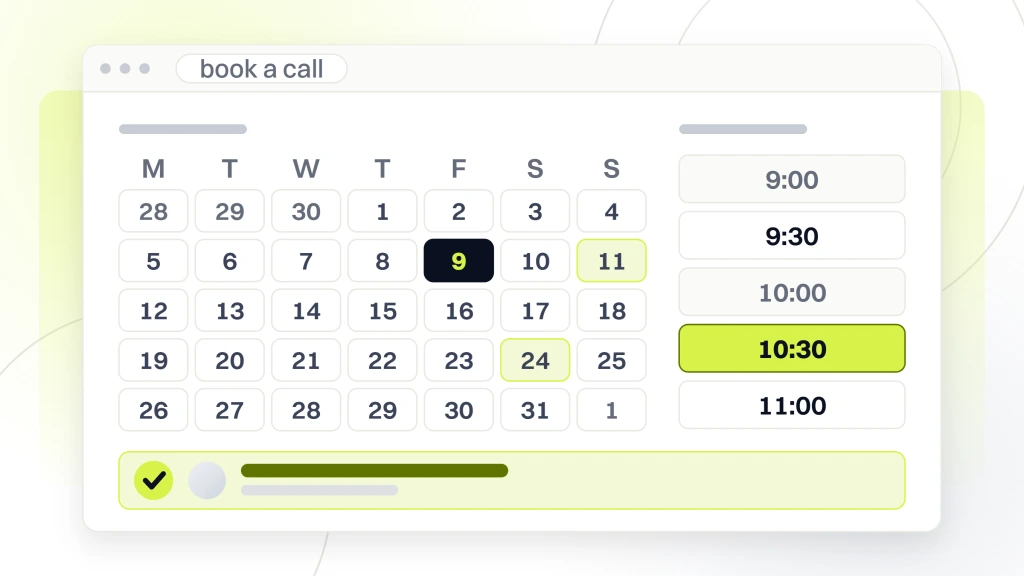
Day 5 personalized email
A day 5 personalized email to every meaningful contact keeps the conversation warm while the platform team still remembers the exchange clearly. Reference the specific topic discussed, propose a formal introductory call within 14 days, and confirm the owner’s preparation status. Personalized emails outperform generic templates by 3x to 5x on response rate because platform business development teams receive dozens of generic templates after every event. Personalization signals real preparation and specific interest in this particular platform’s operational fit. The email runs 4 to 6 short paragraphs, no more.
Day 14 introductory call
The day 14 introductory call covers deeper operational discussion, owner preparation status, target timeline for formal market process, and follow-up material requests. Prepare 5 to 7 specific questions about platform operational execution and share the practice data summary before the call. The call typically runs 45 to 60 minutes with the platform business development team plus one operations or finance team member. Owners who arrive prepared with specific questions receive substantive responses that filter platform quality further. Generic questions receive generic responses that leave the owner no better informed about actual operational fit patterns.
Day 30 material exchange
The day 30 material exchange completes the initial evaluation cycle before either party commits to formal process participation. Owners exchange NDA-protected practice data. Platforms exchange operational data by comparable office, prior owner reference contact information, and preliminary indication of interest ranges. Owners who complete this cycle with 8 to 15 platforms during their preparation runway typically enter the formal market process with a strong pre-existing bidder table. Advisors can accelerate the formal process because the pre-conference relationship work handles introductions that would otherwise consume 60 to 90 days of formal process ramp cycle.
Common mistakes that shrink your outcome
Common mistakes concentrate in a handful of predictable areas that reduce owner value during the preparation runway. Reading these mistakes carefully before attending events helps owners extract maximum value from every event on the calendar while avoiding the value destruction patterns that trap unprepared owners repeatedly across preparation cycles. Every mistake below is fixable with 60 days of preparation and a clear-eyed advisor conversation before the event.
Signing LOIs at the event
Signing an LOI at a DSO dental conference destroys negotiation posture. Conference conversations should generate warm introductions and follow-up meetings, not deal signings. Owners who sign LOIs at events typically lose 1 to 2 turns of multiple against owners who follow the structured process. The urgency platforms create at events is a well-worn sales pattern designed to shortcut competitive process dynamics. Owners should decline any pressure to sign at events regardless of how attractive the initial terms appear during hallway conversation. Real value happens in a structured formal process with 8 to 15 platforms at the bidder table.
Sharing financials without NDA
Sharing detailed practice financials without a signed NDA at a DSO dental conference creates real risk. Verbal disclosures at conferences travel through the industry faster than owners expect. Platforms not on the owner bidder table can gather intelligence from conference conversations that later informs their competitive positioning against the owner’s practice. The one-page summary approach protects sensitive data while keeping conversation flow productive. Detailed financials should only appear during formal process phases with NDA coverage and structured diligence room access managed by the owner’s advisor team.
Over-committing to single platforms
Over-committing to any single platform during initial conversations reduces owner negotiation power during the formal process later. Owners who signal preferred platform selection early typically watch their preferred platform’s terms compress against them because the platform no longer competes for the deal. Owners should meet many platforms during conferences and gather context across the market without signaling preference. The formal process determines platform selection through competitive bidding, not through conference impression management. Preserving optionality across the bidder table protects final sale multiple across every owner preparation cycle.
Working with a partner on the 12 month runway
Working with a specialist partner supports the 12 month DSO dental conference runway with attribution artifacts, marketing performance benchmarks, and practice data summary materials built for platform business development team review. Owners who complete this preparation typically report that conference conversations felt substantive and produced concrete follow-up cadence rather than generic exchanges of business cards without meaningful engagement afterward. A partner also carries context across events so the story stays consistent from Summit to specialty to regional.
Attribution artifact preparation
Attribution artifact preparation for the DSO dental conference cycle covers 12 months of clean call tracking data, form fill logs, GA4 conversion event data, and a monthly reporting archive. Owners who bring these artifacts to conference conversations demonstrate real preparation depth that platform business development teams remember. Our dental marketing retainer at $1,499 per month covers attribution installation, monthly reporting, and content plus SEO work across a 12 month preparation window that produces the artifacts platform teams look for during conference conversations. The retainer scales up through the higher monthly tiers for multi-location groups.
Practice data summary tailoring
Practice data summary tailoring adapts the one-page overview to the specific target platform receiving it. Different platforms weight different operational metrics differently. Pediatric platforms weight family retention data heavily. Ortho platforms weight case acceptance rate heavily. GP platforms weight new patient volume and hygiene reactivation heavily. Owners who tailor the summary to the platform’s operational priorities generate stronger business development team response than owners who share generic summaries. Preparation across every target platform improves the conversion rate from conference contact to formal introductory call meaningfully.
Post-event follow-up support
Post DSO dental conference follow-up support covers the day 5 email drafting, day 14 introductory call preparation, and day 30 material exchange coordination for each target platform contacted at the event. Owners running this cadence solo often struggle to maintain the tempo across 8 to 15 platforms. Advisor support keeps the tempo consistent and produces the structured follow-up that platform business development teams reward with prioritized attention. Owners who maintain follow-up tempo across 30 days typically enter formal process with 6 to 10 platforms already interested. Owners who let follow-up slip typically enter formal process cold and lose 60 to 90 days rebuilding attention.
Independent resources to track monthly
Independent resources supplement the DSO dental conference preparation cycle with market context, event calendar tracking, and prior owner experience reporting. Track a rotation of two to three primary sources monthly during the 12 month preparation runway. Reading the sources builds the diligence sophistication needed to ask sharp questions during conference conversations with target platforms.
Group Dentistry Now event coverage
Group Dentistry Now covers DSO dental conference events with pre-event previews, in-event reporting, and post-event summaries. Reading their coverage across 12 months of preparation gives owners advance context on which events will draw which platforms and which sponsor teams will attend. This coverage informs event selection during the 12 month preparation runway more precisely than event marketing materials do. Their quarterly reports on prior owner experience at various platforms also inform which target platforms deserve deeper preparation attention across the shortlist.
Dentaltown practice forums
Dentaltown hosts practice forums where prior conference attendees share direct experience with specific platforms encountered at events. Owners evaluating specific platforms can search Dentaltown for prior attendee commentary on platform business development team behavior at conferences. Practicing dentists share candid views on platform engagement quality that platform business development materials rarely surface. This qualitative context supplements the formal reference call process across the owner preparation cycle with data points from owners not chosen as curated platform references.
ADA and specialty association calendars
The American Dental Association and specialty association calendars provide the definitive event dates and program details for the main dental and specialty conferences. The ADA calendar covers the Annual Convention with the group practice track. The AAO, AAPD, and AAOMS calendars cover the specialty conferences. Owners should reference these calendars directly for definitive event details rather than relying on secondary sources. The associations also publish attendee counts, exhibit hall size, and program schedules that help owners plan event attendance during the 12 month preparation runway ahead of a serious market process.
Final read on the year’s planning
Planning your DSO dental conference year during the 12 month preparation runway gives owners direct access to target platform business development teams that formal outreach rarely produces at the same quality. Focused attendance at 2 to 3 events during the runway typically returns 3% to 5% additional value at close through faster process kickoff, better bidder table composition, and stronger negotiation posture from pre-existing platform relationships. Total conference budget of $10,000 to $20,000 against a $3M collections practice heading to market sits at less than 1% of eventual sale consideration.
Owners who invest in preparation across every event attended build a preparation infrastructure that pays back beyond any single event. Attribution artifacts inform engagement scoping. Target platform lists inform partnership decisions. Buyer shortlist work informs formal market process planning. Preparation compounds across the 12 month runway in ways that strengthen every subsequent decision the owner makes during the process. Attending events without preparation wastes the budget and produces generic conversations without follow-up. Attending events with preparation produces warm introductions that convert into formal process participation with material impact on the final sale multiple. Talk to our team about the 12 month DSO runway before you book the next Summit badge.