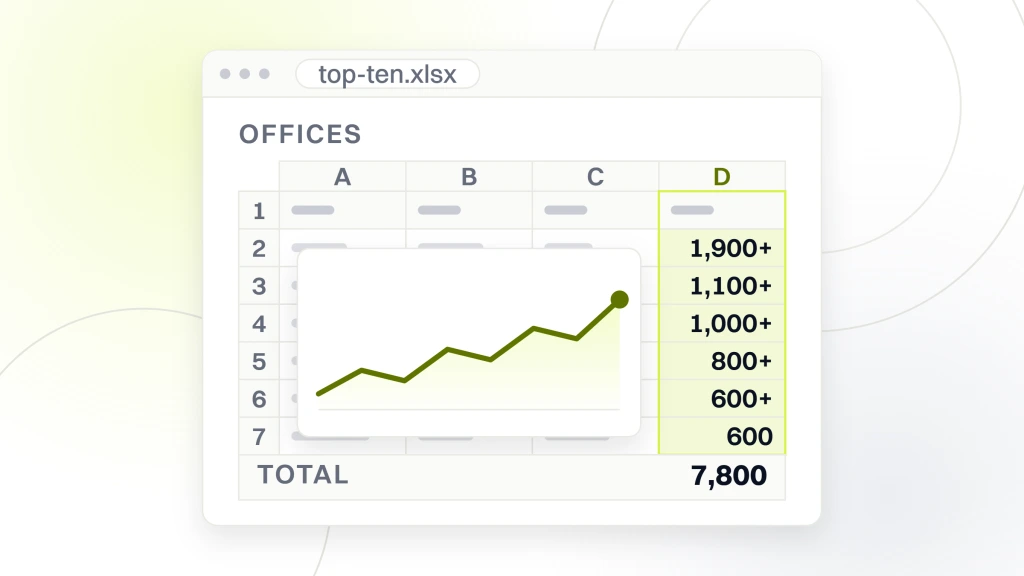
The largest DSO dental groups in 2026 are Heartland Dental at 1,900-plus offices, Aspen Dental at 1,100-plus, and PDS Health (Pacific Dental Services) at 1,000-plus. MB2 Dental sits at 800-plus, Smile Brands and Sonrava Health each near 600. Together, the top 10 support roughly 7,800 practices under a shared DSO structure, or about 30% of every DSO-affiliated office in the country. The gap between rank 6 and rank 10 tightens by the quarter as deals close.
Size is one signal, not the only one. These platforms pay competitive multiples, run mature ops teams, and carry real capital markets stories at the platform level. They enforce tight operational protocols, integrate faster than most sellers expect, and treat every affiliation as one of dozens per year. Use the rankings below as a starting point, then filter by fit before you take the introductory call. Multiple, terms, and cultural match weigh as much as raw office count when you sort your final bidder mix.
Top 10 largest DSO dental groups in 2026 by office count
The top 10 own roughly 7,800 to 8,500 offices combined in 2026. That works out to about 30% of every DSO-affiliated dental office in the United States. The top 3 alone control 4,000-plus offices between them. These numbers grew from 6,800 in the top 10 back in 2020, a rise of nearly 1,700 offices in six years. And most of the growth landed in the top 5, not the mid-pack.
| Rank | Platform | Offices (approx) | Sponsor | Founded |
|---|---|---|---|---|
| 1 | Heartland Dental | 1,900+ | KKR | 1997 |
| 2 | Aspen Dental (TAG) | 1,100+ | Leonard Green + Ares | 1998 |
| 3 | PDS Health (Pacific Dental) | 1,000+ | Dentist-owned | 1994 |
| 4 | MB2 Dental | 800+ | Warburg Pincus + KKR | 2007 |
| 5 | Smile Brands | 600+ | Gryphon Investors | 1998 |
| 6 | Sonrava Health | 600 | New Mountain | 2014 |
| 7 | Smile Doctors (ortho) | 550+ | Linden Capital | 2011 |
| 8 | Affordable Care | 425 | PE-backed | 1975 |
| 9 | Dental Care Alliance | 400 | Mubadala Capital | 1991 |
| 10 | Specialized Dental Partners | 350+ | Quad-C Management | 2018 |
Why office count is the ranking metric
Office count scales with EBITDA and with sponsor exit value. It is the number that industry publications, brokers, and sponsors all report against. Provider count and net revenue produce different rankings that shift by 10% to 20% off the office-count list. Office count wins as the industry-standard number, so it maps cleanest to the way sponsors underwrite growth. When you evaluate a buyer’s scale story, ask for both office count and net revenue. If one is 25% bigger than the other implies, ask why.
What shifted in the ranking since 2022
Between 2022 and 2026, Heartland grew from 1,500 to 1,900-plus offices, Aspen grew from 950 to 1,100-plus, and PDS Health (Pacific Dental) grew from 800 to 1,000-plus. MB2 was the biggest mover in the top 10, jumping from 500 to 800-plus offices on the back of a fast partnership-model rollup. Two 2022 top-10 platforms fell out of the ranking after slower growth or platform-level recaps. That churn is normal. Expect at least one or two names to move up or drop out of the top 10 every 12 months.
Largest DSO dental groups profiled, platform by platform
The top five platforms differ more than the ranked list suggests. Each one buys a different type of practice, integrates on a different timeline, and pays out on a different structure. The profiles below cover what matters most if one of these platforms calls you next quarter.
1. Heartland Dental
Heartland runs the largest network in the country and the deepest ops bench. If you affiliate here, the local brand usually stays intact. The support systems that move to central include payer credentialing, marketing, IT, HR, and central accounting. Heartland’s biggest strength is capital access paired with back-office scale. The trade is a defined clinical protocol that reduces some autonomy at the local level. Deals close on average in 90 days from LOI. Rollover equity lands between 15% and 25% of consideration. KKR holds majority. Aetna’s dental network and Heartland’s provider bench cross-refer at rates most of the top 20 can’t match yet.
2. Aspen Dental (The Aspen Group)
Aspen runs the single-brand playbook. Every office wears the Aspen name. And Aspen grows heavily through de novo openings rather than practice affiliations, so the affiliation pipeline is smaller than Heartland’s. If Aspen calls you, expect a full brand conversion, a centralized ops model, and less local autonomy than any other top-5 platform. Leonard Green and Ares share sponsorship. Aspen runs Motto (clear aligners), WellNow Urgent Care, and AZPetVet under the TAG umbrella. The pitch is scale. The trade is identity.
3. PDS Health (Pacific Dental Services)
PDS Health, formerly Pacific Dental Services, is the founder-owned outlier in the top three. Steve Thorne still owns the majority. Pacific runs an owner-doctor partnership model where each location has a resident owner-dentist holding real equity in the local practice. This is the closest thing to independent-plus-support in the top tier. The trade is a longer sale cycle, a tighter clinical protocol, and a strict fit test at the interview stage. Sellers who value staying in operations post-close with real local ownership rank PDS highest among the tier-one platforms. Integrated dental plus medical is the newer positioning that added a full 200 offices between 2023 and 2026.
4. MB2 Dental
MB2 Dental is the doctor-partnership model in its most aggressive form. Every affiliated practice enters as a partnership with the MB2 platform. Sellers keep 20% to 45% of local practice equity plus the DSO takes majority. Warburg Pincus leads sponsorship, with KKR and Charlesbank stacked behind. MB2 grew fastest of any top-10 platform between 2022 and 2026, adding 300-plus offices in that window. The pitch is real partnership economics. The trade is more operational engagement from the seller for longer than a traditional DSO would require.
5. Smile Brands
Smile Brands runs the multi-brand playbook, keeping local names like Bright Now Dental, Monarch Dental, Castle Dental, and A+ Family Dentistry intact. Gryphon Investors took the platform back after a brief TSG Consumer hold. Smile Brands mixes employed and partnership models depending on the market. This is a strong option for sellers who want to preserve their local community brand and still gain central shared services. Multiples land in the 6.5 to 8 times range for practices above $1.5M in collections. Community continuity is the pitch. Regional flexibility is the payoff.
Biggest DSO dental platforms in specialty markets
Specialty DSOs run parallel to general practice DSOs and often pay higher multiples than the top 10 for a comparable-size deal. The biggest specialty platforms sit in orthodontics, endodontics, oral surgery, and pediatrics. Their office counts are smaller than the top general practice platforms, but their EBITDA per office is higher, which reshuffles the ranking if you sort by enterprise value instead of office count. Specialty consolidation is where 2026 to 2028 deal volume is heaviest, and it is where private-equity sponsors expect the next round of exits.
Largest orthodontic DSO
Smile Doctors is the largest orthodontic-focused DSO with 550-plus offices. Linden Capital took a majority position in 2020. OrthoDent, Orthodontic Partners, and PepperPointe Orthodontic Partners round out the next tier. Multiples in orthodontics run 9 to 12 times EBITDA at scale, which sits 2 to 4 turns higher than general practice. If you own an orthodontic practice at $2M-plus in collections, all four of these platforms will bid your process. Aligner brands are aggressive on data too, so be ready to defend your case-mix numbers point by point.
Largest oral surgery DSO
US Oral Surgery Management (USOSM) is the largest oral surgery platform with 200-plus offices. Beacon Oral Specialists runs a smaller footprint at higher margins. Max Surgical Specialty Management spun out of MB2 as a dedicated oral surgery platform. Oral surgery multiples reach 10 to 14 times EBITDA at scale, the highest in dentistry, so case complexity and referrer economics support concentrated ownership. Implant volume and CBCT case counts drive the diligence conversation, not top-line collections.
Largest endo and pediatric platforms
Specialized Dental Partners is the largest multi-specialty rollup with heavy endo weighting. US Endo Partners runs 100-plus endo-only offices. On pediatrics, Big Smiles, Kids Dental Brands, and Cherry Tree Dental Studios are the platforms actively buying. Endo multiples run 8 to 10 times EBITDA. Pediatric multiples run 7 to 9 times. Both segments consolidate faster than general practice, and the specialty referrer economics reward network scale. Medicaid-heavy pediatric platforms trade at a discount to private-pay pediatric platforms by a full turn or more.
Biggest is not always the highest multiple
Office count and multiple do not track cleanly with each other. The biggest platform is rarely the buyer that pays the most on any given practice. Multiples are set by three factors. EBITDA size and quality, growth story, and specialty concentration. Office count matters only insofar as it maps to those three. A regional DSO with 45 offices in your metro often pays as much as a national platform, and the regional buyer sees strategic value in your specific location that a national never will.
What really drives multiple
Practice size drives multiple more than platform size. A $2.5M collections practice with 22% net income and 18 months of growth prices at 7.5 to 9 times EBITDA regardless of which top-10 platform bids. A $1.1M practice at 15% net income prices at 5 to 6 times regardless of the buyer. The bid variance across platforms on the same practice usually falls inside a half turn, sometimes a full turn. Total consideration matters more than headline multiple once you weight rollover equity, earn-outs, and management fees.
Why running a regional DSO in your bidder mix helps
A regional DSO in your metro sees strategic value in your practice location that a national does not. That strategic premium can add half a turn on the multiple or better terms on rollover. Regional DSOs integrate more slowly, keep more local staff, and preserve community brand identity. Add one regional bidder to every top-10 process. The bidder war between a big national and a mid-sized regional often produces the strongest final terms.
Case study, a mid-sized top DSO dental group in action
Smile Design Dentistry is a 50-plus office regional DSO based in Central Florida and Tampa Bay. Founded in 2004 in Dade City, the platform now covers cosmetic, emergency, preventive, and specialty care across the region. Smile Design does not sit in the top 10 by national office count, and it stands as one of the top DSO dental groups in its metro. Its economics show the shape of value that a well-run mid-market platform delivers when the marketing engine actually works.
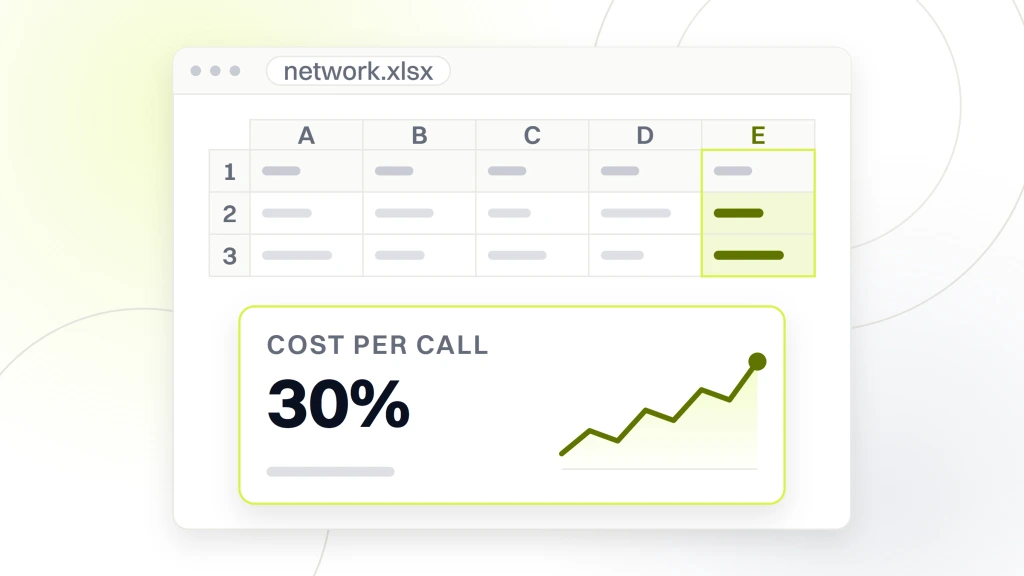
When our team engaged with the platform, the offline reputation was strong but the digital marketing operation was fragmented across every location. Campaigns were poorly segmented, tracking was thin, and paid social was underused. We restructured the PPC accounts by funnel stage and geography, built separate landing pages for each service line and market, and layered full-funnel paid social on top. Cost per call fell 30% across the network within 12 months. PPC conversion rate grew 20% year over year. The platform kept 50-plus locations reporting on a single dashboard.
What a mid-market platform does right
Smile Design shows the pattern that mid-market DSOs run better than top-10 platforms. Local brand stays intact. The operations team knows every practice manager by name. Central marketing coordinates without smothering. Decisions happen fast, and the C-suite is closer to the practices. This is the reason regional DSOs sometimes outbid nationals on price and always outbid on cultural fit for the right seller profile.
What top-10 platforms still do better
Top-10 platforms deliver capital access and sponsor-level exit stories that a regional cannot match. If you value the second bite over post-close autonomy, the top-10 platform is the right home. If you value staying in operations with real influence and community continuity, a mid-market or regional DSO wins. Neither is universally better. The right choice depends on which trade you are willing to make on your own exit terms, and how much of your identity you want tied to the platform brand.
How to approach the top dental DSO list as a seller
The list above is a starting point, not a final bidder card. Before you sell your dental practice to a DSO, build a real three-tier bidder mix. Talk to two top-10 platforms for the capital markets story. Talk to two regional DSOs for the strategic-fit story. Talk to one emerging DSO if you can find one that matches your practice profile. Compare on total consideration, not cash at close. That single reframe is worth a half turn on the final multiple more often than any single negotiation tactic.
- Score every bidder on office count, sponsor stability, and last transaction date.
- Ask each bidder for three references from sellers who signed 3-5 years ago.
- Model the second bite for each platform based on the sponsor’s typical hold period.
- Compare management fee percentages side by side in the LOI.
- Rank on total consideration including rollover, not cash at close alone.
- Weight cultural fit at 20% to 30% of the final decision.
The role of a broker in running this process
A dental transaction broker earns 1.5% to 3% of transaction value. That fee is money well spent if the broker brings three to five credible bidders to the table in a 60 to 90 day process. The bidder war usually adds a half to a full turn on multiple, which more than covers the fee. Ask any broker you interview for a specific list of the top DSO dental platforms actively buying practices of your size in your metro today. Vague answers mean the broker does not know the market at the depth you need.
Running a self-directed process without a broker
Some sellers run their own process. It saves the fee and gives the seller direct control. The trade is time. A self-directed process takes 6 to 9 months instead of 60 to 90 days and burns 10 to 15 hours a week of the owner’s time. If your calendar is thin and your patience is long, self-directed works. If you are still running full clinical days and have limited administrative time, hire the broker and get the process to close on the faster timeline.
One thing every top DSO dental ranking hides
Every DSO ranking article on the internet is roughly 40% right. The rest is press release timing, self-reported office counts, and platform PR teams inflating de novo project pipelines into current office counts. Every ranking including this one carries a margin of error of 5% to 10% on any given platform’s total. Do not treat the count as gospel. Treat it as a rough shape of the market that sharpens over time as verified transactions close.
The other thing rankings hide is that office count changes weekly. A platform doing 40 acquisitions a year gains an office every 9 days on average. By the time you read a ranking, at least one platform has either gained or lost 20 offices since the number was reported. That is fine. The ranking is directional, not operational. Use it to build your bidder mix, then verify current numbers directly with each platform during LOI discussions.
Rankings blur regional depth too. Two platforms with 400 offices each may look identical on the top 10 list, and one may operate in 30 states, the other in three. That difference matters more to you as a seller than the office-count number itself. The biggest DSO dental platform in your metro is often a better bidder than the largest DSO dental groups nationally if the metro platform has cluster density that pays for the acquisition.
Where to verify current largest DSO dental numbers
Three sources track DSO office counts in near real time. The ADA Health Policy Institute at ada.org/resources/research/health-policy-institute publishes an annual practice ownership trend report. Group Dentistry Now at groupdentistrynow.com tracks platform transactions and quarterly office-count updates for every top-20 platform. Dental Economics at dentaleconomics.com runs regular pieces on DSO consolidation and industry structure.
The three-source cross-reference approach for largest DSO dental verification
Cross-reference all three sources against the platform’s own website before you cite an office count in a serious conversation. Each source updates on a different cadence. The ADA report annual, Group Dentistry Now quarterly, and the platform website weekly. Numbers that disagree by more than 5% are usually a product of counting method differences, not a sign one source is wrong. Reconcile the definitions before you conclude anything about platform growth or contraction across the top platforms.
Why office count numbers vary between sources
Some sources count de novo openings the day they open. Others wait 90 days for a practice to reach mature revenue before including it in the platform total. Some sources include managed offices where the DSO runs ops but does not own the clinical entity. Others include only owned offices. Neither method is wrong. The variance is what you get when you compare across sources without checking definitions. Read the fine print on any ranking article before you cite the number in an LOI conversation.
Working with a marketing partner across DSO platforms
Marketing is the shared service that DSOs get right least often at platform scale. Central creative rarely lands with local patients. Central paid search often over-consolidates budget into the metros with strongest performance and starves the emerging locations. Central social ends up generic. This is where a marketing partner earns their fee even at platform scale, and where mid-market platforms most often beat national platforms on new-patient economics month over month.
Our team runs this work for platforms and for pre-affiliation sellers. For DSO-scale patient acquisition across a network, our DSO Dental Marketing for Multi-Location Groups covers the platform playbook. For single-location owners preparing for a DSO conversation, our Dental Marketing Agency pages cover the acquisition math practice by practice, and the Dental Marketing Retainer starts at $1,499 a month. Related reads include the dso dental model breakdown and the dso dental companies buyer map.
How marketing performance affects your sale multiple
Documented month-over-month new patient growth over 18 months is one of the top three drivers of multiple at LOI with the largest DSO dental buyers. A practice with clean call tracking, clear cost per new patient, and consistent growth prices half a turn higher than a comparable practice without those numbers. On a $2M collections practice, that reads as $300K to $500K in additional sale price. Marketing due diligence starts with the numbers you have, not the numbers the buyer builds during diligence.
What to do if you are two years from a DSO conversation
Install call tracking today. Segment new patient reporting by source. Build a clean referral tracking system. Get 18 months of month-over-month growth documented. Move to a modern PMS so due diligence data pulls fast. Get a quality of earnings from a dental-focused accountant six months before you go to market. Each of these items adds a quarter to a half turn to your multiple. Together they can add $600K to $1.4M in sale price on a $2M practice.
A final read on the largest DSO dental groups
Heartland, Aspen, and PDS Health sit at the top of the largest DSO dental groups for general practice. MB2 and Smile Brands round out the top five. Smile Doctors leads orthodontics. USOSM leads oral surgery. Specialized Dental Partners leads multi-specialty. Below the top 10 largest DSO dental platforms, another 40 to 50 groups buy practices at meaningful scale. The rankings shift by the quarter, and the shape of the market has held steady for three years running.
Picking your own bidder mix
Run at least one top-3 platform, at least one regional DSO, and one specialty platform if your practice fits. Compare on total consideration, not cash at close. Verify the second-bite story with reference calls before you sign. That three-tier bidder mix runs cleanly in 90 days and produces the strongest terms for your practice, whether you are 6 months out or 24 months out from a live process.
If you are just watching the market
Not planning to sell? Still understand the largest DSO dental market well enough to talk to your associates about their career options and to your specialists about their referral network. The market sits in the room whether you want it to be or not. Reading the rankings once a year is a small investment in staying informed about the industry your practice operates inside.