A food and beverage digital marketing agency runs a funnel a general marketing shop skips. Shelf velocity math. USDA and FDA claim rules. Product detail page conversion patterns for a six-pack of cold brew versus a hot sauce. Retention math on a 21-day repurchase cycle for coffee versus a 90-day cycle for spice blends. General agencies write a media plan built for a mattress brand and hand it to a founder selling adaptogenic granola. The plan looks tidy, spends the budget, and lands at 1.6 return on ad spend by month four. A food and beverage digital marketing agency would have hit 3.1 in that same window.
You get the 10 differences that show up in the first 60 days of a retainer with a food and beverage digital marketing agency, a real cold brew CPG teardown with the acquisition cost and retention numbers, retainer bands per food vertical, and a full FAQ that answers what founders ask on a sales call. Redefine Web runs this scope for CPG founders, coffee brands, snack brands, and functional beverage brands who want a category shop instead of a general one. Read straight through in 12 minutes and you will know which shop your brand needs. Skip to the food and beverage marketing services page if you already know the shape of your project.
What a food and beverage digital marketing agency owns end to end
A food and beverage digital marketing agency owns paid acquisition, retention flows, product page conversion work, and content built for shoppers who read the ingredient panel before adding to cart. That last piece is the operational tell most CPG founders underestimate when comparing a food specialist against a general shop on the same request for proposal.
A shopper reading about grams of added sugar in a functional beverage will not convert on generic wellness copy. A food and drink digital marketing agency writes copy that names the sweetener source, the certifications, the caffeine dosage per can, and the fridge life after opening. General shops write “clean energy” and wonder why cost per acquisition sits at $46 on a $12 four-pack.
The channel mix looks similar to any DTC brand on paper. Meta paid social. Google Ads. TikTok organic and paid. Klaviyo email and short message service. Amazon Ads. Retail marketing to support natural channels. Public relations for editorial pickups. The difference is the depth in each channel. A digital marketing agency food specialist knows the 12 creators who move eight grand of granola in a Reel because they have placed products with them for other clients. A general shop is running a $1,800 discovery call to figure out which platform matters. That $1,800 comes out of your budget.
Channel specialization inside the food category
Cold brew coffee Meta campaigns run different creative than shelf-stable snack campaigns. Coffee converts on brewing ritual b-roll with a 25-second flavor breakdown. Snacks convert on on-the-go moments with the pack shot in hand. Frozen meals almost never convert on cold Meta traffic and shift budget to retail sampling, Instacart display, and Amazon Ads. A food and beverage digital marketing agency slots your brand into the right creative pattern on the first strategy call. A general shop treats all three the same and burns budget.
Ingredient and health claim compliance without the warning letter
The Food and Drug Administration and the Federal Trade Commission watch food and beverage claim language closely. “Boosts immunity”, “cures inflammation”, and “prevents disease” all cross a line most general agency copywriters do not know exists. A food and beverage digital marketing agency writes “supports”, “provides”, or “contains” because those verbs stay on the right side of substantiation rules. See the FDA guidance on nutrient content claims for the specific language. A general shop gets a warning letter, and your brand pulls a campaign at week seven.
Food and beverage digital marketing agency versus general agency
The gap between a food specialist and a general agency shows up on ramp speed, creative depth, and channel selection inside the first 60 days. A general shop reads the category brief, orders three competitor teardowns from a junior, and lands a first paid test in week six. A food specialist has the competitor set memorized, writes the first creative round in week two, and runs a retention audit in parallel. That six-week delta compounds into a full quarter of lost paid learning.
The right answer is not always specialist. A prestige beverage brand with $50M in revenue and an in-house team of 10 often runs project work with a general shop for a website redesign or a rebrand while keeping the food and beverage digital marketing agency on the retainer for performance. Splitting the scope by capability rather than category is the mature play at scale. Below the $10M mark, a retainer with a specialist beats every combination we have measured on CPG food accounts.
| Category | Food specialist agency | General digital agency |
|---|---|---|
| Nutrition claim copy | Substantiated by default | Legal review needed post-write |
| Creator relationships | Named list under $15k GMV per post | Cold outreach from scratch |
| Klaviyo revenue share | 26 to 40% | 14 to 20% |
| Product page conversion baseline | 3.2 to 5.6% | 1.6 to 2.4% |
| Retention flow depth | Winback plus replenishment plus subscription | Welcome plus abandoned cart |
| Retainer ramp time | 30 to 45 days | 90 to 120 days |
| Category benchmarks | Prior client data on file | Public reports only |
Why ramp time is the biggest hidden cost
Every retainer month during ramp is money spent while the account still misunderstands your brand. A food specialist reaches steady-state performance in 30 to 45 days because the operator has seen your exact model 15 times. A general shop needs 90 to 120 days to test creative, learn your customer, and dial the audience. At $8k per month on retainer, that is a $32k gap in wasted spend on the general path. Founders who calculate this once never test the general option again on a food account.
The value of a named food creator list
A digital marketing agency food specialist’s creator list is worth more than the retainer itself in the first 90 days. 20 vetted food and drink creators with average post gross merchandise value under $15k means 20 partnerships that convert instead of 20 that do not. General agencies pull creators from Aspire or a spreadsheet. Category shops have relationships built across prior client accounts and know which creator delivers within 14 days versus 90. That difference alone is worth the price gap. See the Influencer Marketing Benchmark Report for the wider platform data.
Channel mix a food and beverage digital marketing agency runs
Eight channels do the work on food and beverage accounts under $25M in revenue. Meta paid social carries most cold acquisition. TikTok organic plus paid drives creator-adjacent reach. Google shopping and search capture branded and category intent. Klaviyo email plus short message service runs retention. Amazon Ads sits inside the retail read. Creator seeding builds earned reach. Public relations earns editorial pickup. Retail marketing supports wholesale. The mix shifts with product type, which is where a food digital marketing agency reads the account differently on the first call.
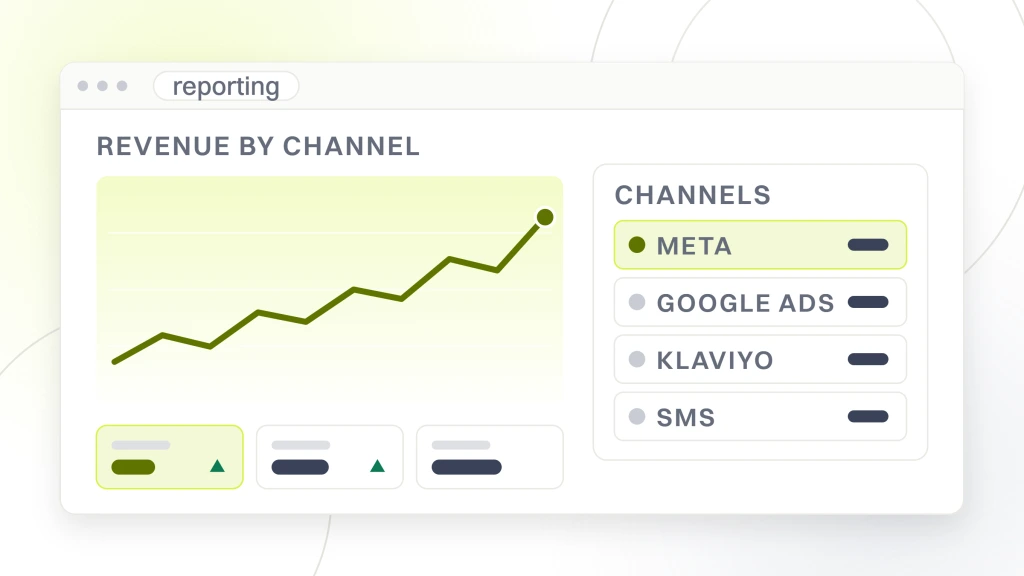
The mix shifts by product type. Cold brew and coffee lean heavier on Meta paid and Klaviyo retention because subscription math works. Shelf-stable snacks lean heavier on TikTok organic and creator seeding because impulse wins. Frozen and refrigerated lean heavier on Instacart display and Amazon Ads because logistics carry the SKU. Adaptogenic and functional lean heavier on Google search intent and podcast advertising. A food and drink digital marketing agency asks about product type on the first call because the mix defaults are that different. A general shop hands you the same eight-channel plan they gave the last client.
Meta paid for CPG food brands
Skincare Meta paid runs on before-and-after creative. Food Meta paid runs on hero product-in-hand shots, unboxing loops, and creator user-generated content with the pack shot held high. Target acquisition cost sits at $18 to $34 for a $34 average order coffee brand. Below $18 and you are likely bidding into remarketing that would have converted organically. Above $34 and the creative or audience needs a rebuild. A specialist knows those bands. A general shop treats the acquisition cost as a starting number and does not recognize when the account has drifted 30% above healthy.
TikTok strategy that fits snacks and beverages
TikTok food content works on satisfying preparation moments and taste-reaction videos. First-bite reveals, ingredient breakdowns, and pairing suggestions. TikTok beverage content works on pour ritual, glassware, and color transformation in real time. The two subformats need different creator lists. A category shop has both lists ready. A general shop asks for two weeks to research the space and delivers a moodboard nobody uses. TikTok changes the algorithm every quarter, and food category shops read the platform every day.
Retention math a food and beverage digital marketing agency owns
Retention revenue share on a well-run food account lands between 26% and 40% of total revenue by month six. A general shop with a partial Klaviyo build tops out at 12% to 18% because welcome and abandoned cart alone leave replenishment and winback money on the table. Repurchase cycle is the anchor. Coffee runs an 18 to 24-day window. Snacks run 30 to 45. Frozen runs 45 to 60. A food specialist times the replenishment flow trigger against the consumption window per SKU, which is the mechanic a generalist misses.
Short message service is the second retention lever. Text list revenue share for food brands sits at 7 to 13% when run right. General agencies underinvest here because they do not know the compliance rules or the creative pattern that keeps opt-out rates under 1%. Category specialists send two campaigns a week during launch windows and one campaign a week in steady state, with segmentation on last purchase category. Opt-outs stay under 0.7% and revenue per send lands at $0.24 to $0.42 on food accounts.
Replenishment flow keyed to consumption cycle
A 12-ounce bag of coffee lasts a daily drinker 18 to 24 days at two cups per morning. A replenishment flow that triggers at day 14 catches the customer before they run out and buy the grocery store default. Open rate on that flow lands at 44%, click rate at 11%, and revenue per recipient at $2.60. Category agencies calculate the consumption window per SKU and time flows accordingly. General agencies send a generic “time to reorder” email at day 45 and wonder why revenue per recipient is $0.36.
Subscription hooks that hold
Subscription programs for food work when the hook is convenience and variety, not a discount. Customers who cancel because a product got boring respond to “we added a limited-release single-origin roast to the rotation” better than “here is 20% off your next order”. Discount reactivation trains subscribers to wait for discounts. Product variety reactivation trains subscribers that the brand is evolving. Category agencies know the difference on food accounts. General agencies default to discount every time. See our take on food social media marketing agency scoping for adjacent channel patterns.
Retainer bands for a food and beverage digital marketing agency
Retainer economics on a food and beverage digital marketing agency track ad spend, retention build depth, and channel count. Redefine Web sets four tier prices for search engine optimization and pay per click retainer scopes that work on food accounts. The entry tier is $999 per month for a single-channel foundation build. The second tier is $1,499 per month for two channels plus baseline retention. The third tier is $2,499 per month for three channels plus creative production. Full-service scopes start from $4,500 per month and cover the full eight-channel stack with weekly creative and retention engineering.
Our own food and beverage retainer starts at $999 per month for a maintenance-plus-organic package designed for single-location food brands and smaller CPG launches. That is the entry point for brands already established that need consistent inbound without a large paid budget. For DTC coffee and snack brands running paid, expect the $2,499 to $4,500 band once monthly ad spend crosses $8k. Ad spend is billed separately and never rolled into the retainer. A category retainer with a food and beverage digital marketing agency looks nothing like a general shop’s proposal.
Ad spend versus retainer ratio
Healthy retainer to ad spend ratio for a growing food brand sits at 1:2 to 1:4. A $2k retainer on $4k to $8k in monthly ad spend keeps the math sensible. Retainers above 1:1 with ad spend usually mean the agency is padding fees to survive slow client acquisition. Retainers below 1:5 usually mean the agency is understaffed and the account is not getting attention. Ask the ratio question in the sales call and watch the response. Category specialists answer immediately with a real number.
Scope creep guard in the contract
The retainer contract should name the channels, name the deliverables per channel per month, and name the escalation path when scope shifts. Any “as needed” language means scope creep on your dime. Two revisions per creative asset is normal. Unlimited revisions on paid ads is a red flag because it usually means the account team is not confident in the first draft. Six-month terms are standard for food and beverage retainers. Anything shorter is an agency hedging against poor results on your account.
Case study on a functional cold brew CPG brand
A New York based functional cold brew brand shipping DTC and to 340 natural grocery doors came in on a stalled paid social program. Cost per acquisition sat at $52 on a $34 six-pack, retention revenue share was 14%, and Klaviyo carried three unfinished flows a prior generalist shop had built and abandoned. The founder wanted a food and beverage digital marketing agency because the last general shop treated the account like a supplement launch and never learned the six-pack repurchase window.
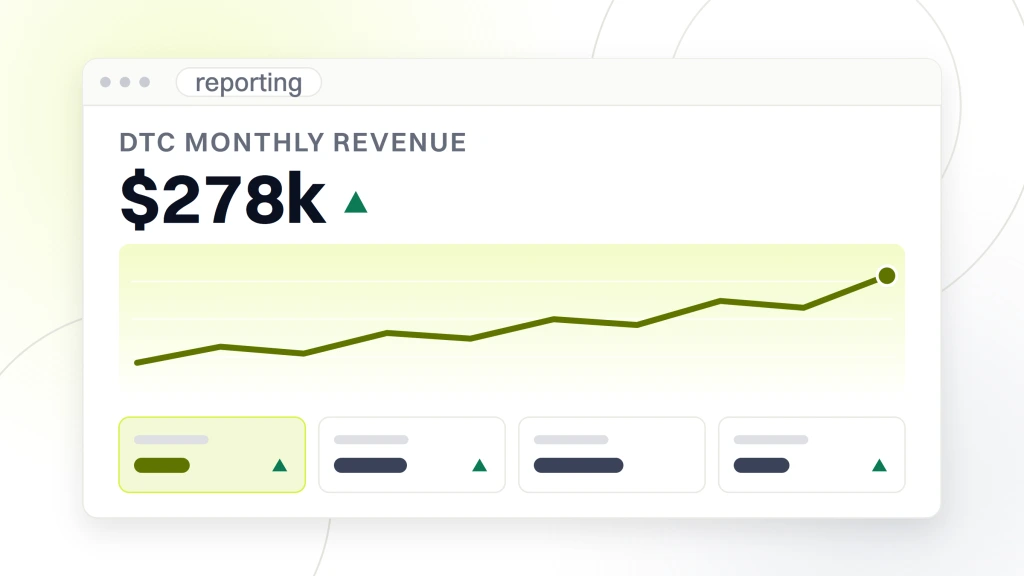
Over nine months the food specialist retainer rebuilt paid creative around brew ritual b-roll and dose-per-serving copy, rewrote 14 product pages with sweetener and caffeine specifics, and built out the full seven-flow Klaviyo stack keyed to a 21-day repurchase cycle. Cost per acquisition dropped from $52 to $29 on cold Meta traffic. Retention revenue share climbed from 14% to 33%. Subscription attach rate on first order hit 22% inside 60 days of launching the replenishment flow. DTC monthly revenue tripled from $92k to $278k without raising ad spend past $22k a month.
| Cold brew brand metric | Baseline | After 9 months |
|---|---|---|
| Cost per acquisition (Meta cold) | $52 | $29 |
| Retention revenue share | 14% | 33% |
| Subscription attach on first order | 6% | 22% |
| DTC monthly revenue | $92k | $278k |
Why product page rewrites carried the paid gains
The $52 to $29 acquisition cost drop was not a creative miracle. It was product page conversion work compounding on the paid side. When the product page names the sweetener source, the exact caffeine milligrams per can, and the fridge life after opening, cold traffic converts at 2.4% instead of 0.9%. Meta rewards the higher landing page conversion rate with cheaper impressions. A general shop tuning ad creative alone would have chased a 20% acquisition cost gain and left the other 40% on the product page. The food specialist runs both sides on the same retainer.
Klaviyo flow order that grew the retention gain
The 14% to 33% retention share came from flow order and cadence keyed to consumption, not from discount stacking. Welcome and abandoned cart went live inside week two. Replenishment flow at day 17 of a 21-day repurchase cycle launched in week five and captured the first repeat purchase before the customer thought to reorder. Winback at 21 and 45 days ran a limited flavor drop instead of a coupon. VIP tier at $200 lifetime spend. See the Klaviyo replenishment guidance for the timing framework. The general shop had built welcome and abandoned cart, then stopped. The food specialist retainer finished the stack.
Named client wins that map to food and beverage work
Redefine Web has run these patterns on brands outside pure food as well, and the wins map cleanly to CPG scopes. Boogie Board, a reusable-writing-tablet CPG brand, cut acquisition cost to $31 per conversion and grew conversions 11% while managing $650k in ads with sustainable return on ad spend. The same creative discipline and cold-traffic targeting logic that worked for Boogie Board is what runs on cold brew and snack accounts today. Product page depth, honest specification copy, and creator seeding win in every direct-to-consumer physical goods category.
Vejro Resort, a Danish private-island resort, turned strong social engagement into direct bookings through a search engine optimization and website integration retainer that delivered 10,000 organic visits, 200 first-page keywords, and a 2.2% booking conversion rate in three months. That combined search plus conversion rate work is the same discipline a food and beverage digital marketing agency applies to product pages and category pages on a CPG store. Abigail Ahern, a premium home decor brand, generated a 179% revenue gain and doubled conversion rates through intent-driven traffic and premium creative work. Premium creative plus tight intent targeting is exactly what a functional beverage or specialty snack brand needs to hold margin without slipping into discount cycles.
What these named wins teach food founders
The lesson across Boogie Board, Vejro Resort, and Abigail Ahern is that category-tuned execution beats generic media buying every time. Boogie Board did not win on cheaper ads. It won on a full-funnel approach that treated ad creative, product page copy, and post-purchase email as one system. That is exactly the operating model a food and beverage digital marketing agency runs on a coffee, snack, or beverage account. See the food and beverage marketing retainer detail for the current scope options.
Red flags in a food and beverage digital marketing agency sales call
Red flags on a food and beverage digital marketing agency sales call come out in the first 15 minutes if you ask in particular. A shop that cannot name three food accounts run past 18 months is not a specialist. A shop that quotes a target acquisition cost without asking your average order value, product type, and cold traffic mix is guessing. A shop that promises to build “the full Klaviyo stack” without naming the flow order in day-by-day terms has not built one. A shop that hands you the same eight-channel plan they showed a spice brand and a cold brew brand has not read either account.
- Name three food or beverage accounts you have run for more than 18 months and the retention flow revenue share you delivered.
- What is your target acquisition cost for a $34 average order coffee brand on cold Meta traffic in month three?
- Which Klaviyo flows do you build in the first 60 days, in what order, and why?
- Name five food creators under $15k gross merchandise value per post you have worked with in the last six months.
- How do you write nutrition claims that stay inside FDA substantiation without hurting conversion?
- Show a real client dashboard from last month with names redacted but numbers intact.
Reviewing the redacted dashboard
The dashboard tells the truth. If the top metrics are cost per click, cost per thousand impressions, and impressions, the agency is reporting activity, not revenue. If the top metrics are revenue, return on ad spend, cost per acquisition, and Klaviyo attributed revenue share, the agency reports outcomes. If the dashboard does not exist, they build one during the retainer, and you are funding the framework. Category shops have a dashboard template ready to modify for your food brand on day one.
Account lead tenure over 18 months
The person running your account matters more than the agency brand. Ask who your account lead will be and how long they have been at the agency. Under 12 months and there is a churn risk mid-retainer. Under 24 months and there is a competence risk on complex flows. Category specialists retain their strongest leads because the food category work is genuinely fun. General shops burn junior labor on food accounts because the category feels adjacent to whatever they specialize in.
When a general agency fits a food brand
General agencies earn their fee on food accounts inside specific scopes. Rebrands, packaging systems, launch films, public relations campaigns with a hard deliverable and a fixed timeline. Their capacity, art direction, and design network beat what a food specialist retainer covers on any given month. Where they lose is 12-month performance retainers, retention engineering, and creator sourcing on food accounts. Both models fit the mature brand. A $25M-plus food brand runs both.
Capacity, creative direction, and a wider design network all favor the general shop when the deliverable is defined and the deadline is real. Performance scope over 12 months plays to category shop strengths because pattern library beats capacity every time on a retainer. See our food service marketing agencies breakdown for how this maps to restaurants and suppliers in particular.
The mature move for a mid-sized food brand is a general agency for project work plus a food specialist for retainer performance. This is how most $25M-plus CPG brands run their vendor stack. The general shop delivers the annual brand refresh, the launch video, and the retail collateral. The specialist runs the always-on paid, retention, and content engine. Both shops know their lane and do not fight over scope.
The hybrid model that holds up
The hybrid model splits scope by capability, not by category. General shop owns the once-a-year brand and creative direction work. Category specialist owns the daily performance and retention machine. In-house team owns product marketing, wholesale channel work, and customer service. All three know the lanes and the escalation path when scope overlaps. Founders who set this up cleanly at $10M spend less per revenue dollar than founders who try to consolidate everything with one vendor.
When to hire the first in-house marketer
First in-house marketing hire lands somewhere between $3M and $6M in revenue for most food brands. Earlier and the hire sits idle waiting for agency deliverables. Later and the founder becomes the bottleneck on every campaign brief. The hire is a generalist operator, not a specialist. They own the brief pipeline, the agency relationships, and the content calendar. Specialists come at hire three or four once channels have their own profit and loss.
Measuring a food and beverage digital marketing agency retainer
Measurement on a food and beverage digital marketing agency retainer runs on four numbers per month: blended acquisition cost, retention revenue share, subscription attach rate on first order, and contribution margin after ad spend and third party logistics. A general shop tends to report Meta return on ad spend and traffic. A food specialist reports the four numbers because the four numbers determine whether the retainer earns its fee. Ask for the redacted dashboard from the last full month before signing.
Leading indicators beat lagging ones on the weekly view. Creative fatigue, measured by frequency crossing 3.5 on a Meta audience, predicts a return on ad spend drop by 10 to 14 days. New creator content in production predicts organic reach in the next 21 days. Klaviyo list growth rate predicts revenue share by month three. Watching leading indicators means catching drift before it hits revenue. Category shops report on leading indicators. General shops report on last month’s return on ad spend as if it is news.
Return on ad spend benchmarks for food verticals
Blended return on ad spend for a growing coffee brand sits at 2.6 to 4.0 by month six. Snack brands run slightly lower at 2.2 to 3.4 because average order is lower and creative refresh cycles are faster. Beverage functional runs higher at 3.0 to 4.6 because subscription anchors the math. Frozen meals run 1.8 to 2.8 with a heavier reliance on Instacart and Amazon. Category shops know the band your product type lives in. General shops report the blended average and treat everyone the same. See our food and beverage marketing retainer detail for how these bands sit inside a monthly scope.
Acquisition payback and lifetime value math for CPG food
Acquisition payback under 90 days for a food brand means the model is healthy. Above 90 days and either average order is too low, retention is too weak, or paid is chasing wrong audiences. Category shops calculate acquisition payback per channel weekly and shut off channels that break the ratio. Lifetime value to acquisition cost ratio should sit at 3:1 minimum by month twelve. Below 2:1 and the retainer is not paying back. Above 5:1 and you are likely underspending on acquisition and leaving growth on the table.
Making the pick between food specialist and generalist
The pick between food and beverage digital marketing agency and generalist comes down to what the next 12 months require. Performance retainer, retention engineering, creator relationships, product page conversion work: food specialist. Rebrand, launch film, public relations campaign, packaging system: generalist. Both at once: hire both under separate scopes and keep the specialist on monthly, the generalist on project. The wrong pick costs you a full quarter of ramp on the paid side and 18 to 30% of the retention revenue share for the year.
The last piece of advice is simpler than most of this guide. Have the sales call, ask the six questions, watch the dashboard demo, and trust the answers. Category shops answer immediately. General shops circle back. The circle-back is the tell on any food account. See our food and beverage marketing services page for the specific retainer scopes we run today.
Federal category data helps too. The USDA per-capita food availability data gives you a sanity check on category growth before you commit to a channel plan or a retainer scope with any digital marketing food and beverage agency. Ready to talk scope? Redefine Web opens with a 45-minute working call, not a slide deck, and we will answer every question in this guide on that call.