You do not need another marketing agency for food manufacturer work that treats you like a consumer brand. You need one that can walk into a discovery call and name the 4 buyer titles on your target account list, quote a real case pack, and explain why your last distributor pitch stalled at the category manager. Most food and beverage manufacturers waste 12 to 18 months on agencies that ship pretty homepages and generic SEO, then wonder why the sample request form still gets 3 fills a month. This guide is the fix. We break down the 4 channels that actually book distributor demos and wholesale orders, what a retainer between $1,499 and $6,000 per month should cover, how to structure the site so a Sysco buyer can qualify you in 2 scrolls, and the tracking you need so you can tell which campaign paid for itself. Read straight through in 12 minutes and you will know exactly what to ask the next agency you interview.
What a marketing agency for food manufacturer accounts actually does
A real B2B food marketing partner works the wholesale pipeline, not the grocery aisle. That means the deliverables list looks nothing like a consumer CPG scope. You are not paying for shopper research or coupon design. You are paying for buyer intelligence, trade PR, spec-heavy web pages, procurement PPC, and account based outreach to distributor and retail decision makers.
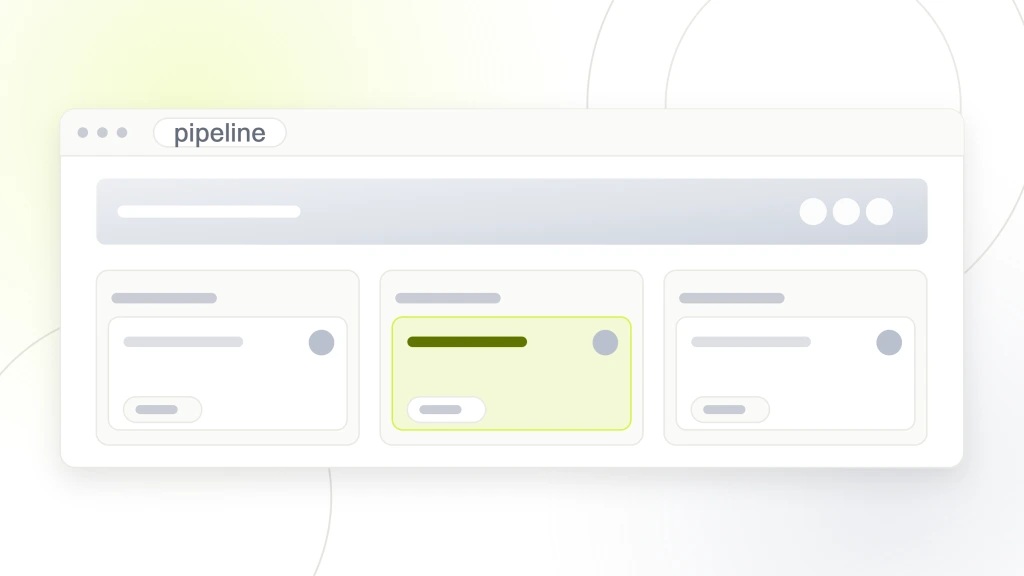
The food and beverage marketing agency engagement usually splits into 4 channels running in parallel. Trade PR earns your product placement in Food Business News, Refrigerated and Frozen Foods, and Food Dive so a distributor sees your name 3 times before your rep calls. SEO ranks your line card and copacker pages for procurement queries like private label snack manufacturer and gluten free bakery copacker. PPC catches the same buyers already searching and drives them to a sample request form. LinkedIn account based outreach targets category managers by title, account, and current supplier so your name lands in the inbox the week they are reviewing the shelf.
Do not confuse this with a consumer agency running Meta ads at moms. That work has its place if you also sell direct-to-consumer through Shopify or Amazon. But if 80 percent of your revenue comes from wholesale, foodservice, or private label, the retainer needs to be built around the buyer, not the shopper.
Digital marketing agency for food manufacturers. The 4 channel mix that works
The digital marketing partner you hire earns its retainer by running these 4 channels together, not in isolation. Run 1 alone and you leave 60 percent of the pipeline on the table because B2B food buyers touch 6 to 8 sources before they request a sample.
- Trade PR and industry media placements to earn buyer trust before the outreach hits.
- SEO on procurement keywords, line card pages, and spec sheet PDFs indexed for search.
- PPC on Google against high-intent B2B terms and LinkedIn against buyer titles at target accounts.
- Account based outreach with personalized LinkedIn plus email sequences to named buyers.
- A buyer-ready website with sample request forms, line card downloads, and cert logos above the fold.
- Monthly reporting that tracks sample requests, distributor calls, and closed accounts, not just sessions.
We ran this mix for Poly Processing, a US chemical storage manufacturer selling into industrial and food-grade tank buyers. Inbound ROI hit 10x within the retainer window. Cost per lead dropped 90 percent versus their prior outbound-only motion. The sales team now works hundreds of qualified monthly leads from the site alone. The pattern maps 1 to 1 onto food manufacturer accounts because the buyer behavior is identical. Procurement searches, requests spec, hands off to QA, then closes.
How much should a food manufacturer pay a marketing agency
Answer first. Between $1,499 and $6,000 per month for the retainer, plus ad spend and trade show costs on top. Anything under $1,499 per month for a food manufacturer is a freelancer or a tool subscription in disguise. Anything above $6,000 per month is either a full outsourced marketing department or an agency loading the invoice with account managers you will never meet.
| Retainer tier | Monthly cost | What it covers | Best fit |
|---|---|---|---|
| Foundation | $1,499 | SEO groundwork, 1 content piece, basic reporting | Startup food manufacturer under $2M revenue |
| Growth | $2,499 | Adds link building, buyer interviews, 2 content pieces | Regional manufacturer scaling into new states |
| Scale | $3,999 | Adds a paid channel plus monthly trade PR pitches | Mid-size manufacturer chasing 25 to 100 new accounts |
| Enterprise | Starts at $6,000 | Full 4-channel push, account based LinkedIn, weekly reporting | National food manufacturer with distributor network |
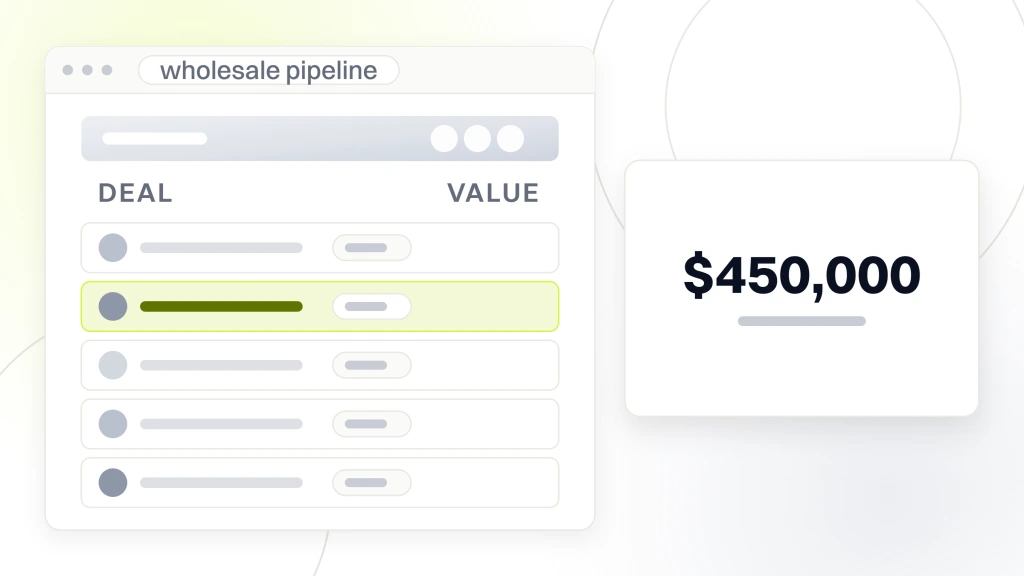
The math for the Scale tier looks like this. A $3,999 per month retainer over 12 months costs $47,988. If it lands 25 new wholesale accounts at an average lifetime value of $18,000, the return is $450,000. Even a 4 percent close rate on 300 qualified sample requests pays the retainer back inside 90 days. That is the deal we hold ourselves to.
Ad spend sits outside the retainer. A B2B PPC budget of $2,000 to $8,000 per month is typical for food manufacturers running Google Ads against procurement queries. Trade show sponsorships, sample fulfillment, and product photography also bill separately. Any agency quoting all-in numbers without breaking those out is either padding the retainer or under-scoping the work.
SEO for food manufacturers that actually books buyers
Food manufacturer SEO is not recipe SEO. Nobody at Sysco is Googling banana bread. The keywords worth ranking for are procurement queries. Private label snack manufacturer. Gluten free bakery copacker. Organic frozen entree contract manufacturer. Kosher certified sauce copacker. These have search volume under 500 per month, which scares off consumer SEO agencies, but they convert at 8 to 12 percent because the searcher is a buyer with a job to do.
The Custimy case is the closest analog we have run. Ranked 500 plus keywords on page one, boosted organic monthly traffic to 25,000 visits, and pushed session duration to 165 seconds. Same discipline applies to a food manufacturer chasing 40 to 80 procurement keywords across categories, certifications, and copacker capabilities. Read our food and beverage digital marketing agency breakdown for the full ranking playbook.
Your line card page is the ranking asset most food manufacturers ignore. It should list every SKU with case pack, minimum order quantity, shelf life, certifications, and a live sample request button. Google indexes it. Buyers bookmark it. Distributors screenshot it and send it up the chain. One line card page can outperform 30 blog posts on qualified traffic and outbound reply rate.
PPC and LinkedIn for food manufacturer lead gen
Google Ads works for food manufacturer accounts once you strip the consumer keywords out of the campaign. Target procurement intent. Bid on private label X manufacturer, contract manufacturer for Y, copacker near me plus category. Cost per click varies by category, and procurement intent in food B2B usually clears at a lower price than the same intent in industrial manufacturing. For wider context on how B2B buyers behave, see the Gartner sales insights hub. Landing pages should carry a spec sheet, a case pack, a lead time, and a form. Not a hero video.
LinkedIn account based outreach is where the wholesale pipeline actually fills. We built the same motion for Automation Anywhere, an RPA and intelligent automation software company. Cost per lead fell 97 percent from $1,936 to $63. Customer acquisition scaled 100x from 150 per month to nearly 8,000 leads monthly. The playbook was targeting decision makers by title and account, then running personalized sequences with real proof. Adapt the same sequence to category managers at Ahold Delhaize, Kroger, Sprouts, US Foods, and Sysco and you have a working wholesale pipeline.
The mistake to avoid on LinkedIn is scale before personalization. Sending 500 generic connection requests a week to procurement titles gets you flagged and blocks the good sequences from landing. Better to send 40 personalized touches referencing the buyer’s current supplier, a recent shelf reset, or a category shift they mentioned on their own profile.
Trade PR and content a food buyer actually reads
Trade PR is the channel most food manufacturers underspend on because the ROI does not show up on a dashboard next week. It shows up 90 days later when a distributor buyer says on the intro call, I saw your name in Food Business News. Real placements in Refrigerated and Frozen Foods, Food Processing, Prepared Foods, Snack Food and Wholesale Bakery, and Food Dive create the air cover that makes the outbound work.
The content that earns those placements is not a press release. It is a data pitch. Category trends, private label growth numbers, cost pressure survey results, or a signature capability story that a food editor can build an article around. The Institute of Food Technologists publications are also worth pitching because they reach food scientists and product development managers who influence the buy decision. Aim for 4 to 6 placements per year at the Scale retainer tier.
On owned content, publish 2 pieces per month at the Growth tier and above. Category teardowns that a broker forwards to their distributor rep. Interviews with your R and D lead about a new production line. Cost per pallet breakdowns for regional shipping. This is not consumer blog content. It is trade content aimed at 200 decision makers in your specific category.
A buyer-ready website that closes wholesale accounts
Your website is either doing the qualification work or making your rep do it in the second call. Most food manufacturer sites look like consumer brands. Big lifestyle hero. Founder story. Recipe blog. That reads pretty to a shopper and useless to a distributor buyer who lands from a LinkedIn ad at 4:47 pm on a Thursday and has 90 seconds before their next Zoom.
Structure the site around 6 buyer questions. Do you have what I need. Can you supply my volume. Are you certified for my category. What is the lead time. Can you private label. How do I get a sample. Every one of those answers goes above the fold on the relevant page. The sample request form has 5 fields max. Company, name, email, phone, category of interest. Anything longer and the fill rate suffers, which is why Nielsen Norman Group leads its form usability recommendations with keep it short.
Vejrø Resort in Denmark ran a similar audience-first rebuild. 10,000 organic visitors within the first 3 months, 200 plus first-page keywords, and a 2.2 percent conversion rate from organic traffic. The exact structural discipline scales to a food manufacturer site aimed at 15,000 buyer visits a year. See our food and beverage marketing retainer page for the buyer-ready site scope.
Tracking and attribution that shows real revenue impact
You cannot manage what you cannot measure, and most food manufacturer marketing programs measure the wrong thing. Sessions do not close accounts. Rankings do not fill purchase orders. The 4 metrics that actually matter are sample requests, distributor calls booked, sample-to-order conversion rate, and closed wholesale accounts.
Set up call tracking with dynamic number insertion so every source, medium, campaign, and keyword is stamped on the call record. Use a form platform that pipes into your CRM with source tags. Build a shared dashboard the sales team looks at weekly. Google’s Product structured data also helps because it improves how your SKU pages surface in search, which feeds the top of the funnel with better-qualified clicks.
The dashboard the Redefine Web team runs for food manufacturer accounts has 7 tiles. Sample requests this month vs last. Distributor calls booked. Sample-to-order rate by category. Cost per sample by channel. Trade PR placements this quarter. Organic monthly visits from procurement keywords. Closed accounts and estimated lifetime value. Everything else is noise.
How to choose the right marketing agency for food manufacturer work
Answer first. Interview 3 agencies, ask for 2 client references you can actually call, and reject any pitch that leads with SEO alone or PPC alone. A single-channel proposal for a food manufacturer is either lazy scoping or a beginner shop that has never worked a B2B wholesale motion end to end.
- Ask for 2 food, B2B, or manufacturer clients you can call, not just read a case study about.
- Ask what buyer titles they will target and whether they can name your top 3 distributors from research.
- Ask for the exact reporting tiles they run monthly. If the answer is Google Analytics, walk away.
- Ask about their trade PR relationships. Cold pitches without editor relationships land 5 percent of the time.
- Ask what they do in month 1 vs month 6. A real agency has a different scope in each phase.
- Ask if the strategist on the call is the person you actually work with. Bait and switch is common.
- Ask about contract term. 6 month contracts are standard because the data needs time to compound.
Ibemploy, a Latvian recruitment agency serving agriculture, manufacturing, and food production, is a useful reference because they operate in the same B2B talent pool that supplies your plant. We drove 7,500 monthly visits and a 4.2 percent conversion rate within 12 months on their SEO-led retainer. Same discipline. Same tracking. Same 6 month judgment window.
Food manufacturer marketing mistakes that burn budget fast
Watch the 5 patterns below. Every one of them shows up in the first 90 days of a bad agency engagement and every one is fixable if you catch it before month 4.
- Consumer creative on B2B campaigns. Lifestyle hero shots do not convert distributor buyers.
- SEO targeting recipe keywords instead of procurement keywords. Zero wholesale traffic value.
- Long sample request forms with 10 plus fields. Fill rate collapses under 12 percent.
- PR pitches with no data. Editors ignore almost all of them.
- No call tracking. You get $12,000 in PPC spend a quarter and no idea which keywords booked demos.
The 6th quiet killer is turnover on the agency side. If the strategist who onboarded you leaves in month 4 and the replacement needs 60 days to ramp, you lost a full quarter of momentum. Ask the agency what their strategist tenure is. Anything under 18 months is a yellow flag.
What a real 90 day food manufacturer marketing plan looks like
Month 1 is discovery and setup. Buyer interviews with 5 of your best current wholesale accounts. Competitor teardown of the 5 closest manufacturers by category. Keyword research against procurement intent. Analytics and call tracking install. Sample request form audit and rebuild. Line card page draft. This is not glamorous, but skipping it is why 70 percent of food manufacturer engagements stall by month 5.
Month 2 is launch. PPC campaigns live against procurement keywords. First trade PR pitch out to 3 editors. First LinkedIn account based sequence live to 40 named buyers. First 2 SEO content pieces published. Buyer-ready homepage and category page changes shipped live per the food market research agency discovery findings.
Month 3 is measurement and adjustment. First cohort of sample requests analyzed for source and quality. PPC keywords pruned and expanded based on real conversion data. LinkedIn sequence variants tested against reply rate. Second trade PR pitch. Second content batch. First monthly dashboard review with your sales team so the pipeline handoff is clean. By day 90 you should have 15 to 40 qualified sample requests, 3 to 8 booked distributor calls, and a clear read on which of the 4 channels is going to carry the year.
Why food manufacturers partner with Redefine Web
You want an agency that has run this exact motion for adjacent B2B accounts. Poly Processing, a US chemical storage manufacturer, saw 10x inbound ROI and a 90 percent drop in cost per lead. Automation Anywhere scaled customer acquisition 100x on the same account based playbook. Custimy ranked 500 plus keywords on page one. Vejrø Resort booked 10,000 organic visitors in 3 months. Ibemploy hit 4.2 percent conversion on food and manufacturing recruitment traffic.
The Redefine Web engagement model is the same across every account. 6 month contract minimum because the compounding channels need time to work. Weekly working sessions with the strategist you interviewed, not a rotating account manager. Monthly reporting on sample requests and closed accounts, not vanity metrics. Retainer between $1,499 and $6,000 per month based on scope, plus a transparent ad spend line, plus separate line items for trade show and photography work.
If your food manufacturer is chasing 25 to 100 new wholesale accounts a year, the Scale tier at $3,999 per month is where most accounts start. It funds the 4 channel push, monthly trade PR, and enough SEO and content velocity to compound organic traffic inside 6 months. Book a discovery call, share your 5 best current accounts and your 10 target accounts, and we will send back a 90 day plan with named buyers, target keywords, and channel spend before you decide.