
A dental marketing calendar is the one artifact that turns scattered promotions into a program that compounds year after year. Practices without one bounce between whatever the last consultant pitched, whatever the front desk wants to run this week, and whatever the practice partner spotted at a conference. Practices with one plan the year in October, run each month against a documented theme, and know exactly what the February report will cover so the KPI was picked back in November. This guide walks the 12 month structure, the monthly themes that match dental seasonality, the offer cadence that pulls new patients without burning the brand, the content pillars that feed SEO and social from the same source, and the reporting rhythm that keeps the whole thing honest. Practices that run it get 10 to 22% more new patients per year at the same marketing spend so timing plus consistency compound.
Redefine Web builds a dental marketing calendar for solo practices and multi-location groups across the country, so the templates and monthly themes on this page come from live accounts, not from a generic category deck. Every month below in this dental marketing calendar reflects what moves the number at the volume dental practices operate.
January through March insurance reset quarter
January through March is the strongest new patient quarter in dental for one blunt reason. Insurance deductibles reset January 1. Patients with a fresh deductible are more willing to book a cleaning, a comp exam, and any deferred treatment they parked in December. The dental marketing calendar leans into that reality every year without apologizing for it.
January new-year complete exam
Featured campaign is the new-year complete exam and cleaning bundle for new patients. Blog post breaks down what dental insurance covers and how to read a plan document without needing a translator. Social features provider tips for keeping a resolution-worthy smile. GBP posts introduce staff and confirm hours. The KPI target is new patient bookings above the December floor.
February heart month and gum health
February connects heart-health awareness to periodontal disease. The blog post walks the peer-reviewed link between gum inflammation and cardiovascular risk. Social features quick tips on gum health. Featured paid campaign runs a periodontal comp exam offer for adults 45 and over. The KPI target is booked periodontal consults inside the practice’s typical range.
March pre-summer cosmetic ramp
March starts the cosmetic ramp for summer weddings, graduations, and reunions. Featured paid campaign runs a whitening plus consult offer or an Invisalign consult push. Blog post covers timelines for common cosmetic treatments. Social features before-and-after content with documented consent. The KPI target is booked cosmetic consults above the winter floor. For the specific Invisalign lead-gen setup, see invisalign marketing for dentists.
April through June cosmetic and summer ready quarter
April through June is the cosmetic quarter of the dental marketing calendar. Patients who want a whiter smile for a June wedding book their consult in April. Patients who want Invisalign for a July reunion start their consult in April as well. The calendar rides the natural motivation cycle instead of trying to invent one. Cosmetic patients drive higher case value than routine hygiene patients, so the quarter carries the year on average practice revenue.
April whitening and small-case cosmetic push
Featured paid campaign runs professional whitening plus a smile consult. Blog post walks professional whitening options and realistic timelines. Social features consented patient outcome videos. GBP posts feature the whitening menu. The KPI target is booked whitening treatments and cosmetic consults.
May full-mouth cosmetic and Invisalign
May pushes bigger cosmetic cases including veneers, Invisalign, and All-on-4 consults. Featured paid campaign runs a smile consult offer. Blog post walks through the full smile-makeover process from consult to final. Social features provider stories and case walk-throughs with consent. The KPI target is booked cosmetic consults with sign-off ready by month end.
June wedding season cosmetic finish
June closes the cosmetic quarter with quick-turn treatments for last-minute events. Featured paid campaign runs whitening bundles and single-appointment cosmetic. Blog post walks what treatments deliver by a specific date. Social features event-ready smile content. The KPI target is same-week bookings and average case value per cosmetic patient. See our cosmetic dentistry marketing guide for the fuller cosmetic pipeline.
Plan the dental marketing calendar in October. Practices that write January’s campaign in December launch 3 weeks late and miss the biggest new patient window of the year.
July through September pediatric and back-to-school quarter
July through September is the family and pediatric quarter of the monthly dental marketing plan. Parents book kid cleanings before school starts. Practices with a pediatric side or a family-friendly position ride the back-to-school pattern hard and stop apologizing for booking calendars packed with sibling blocks.
July early back-to-school parents
Featured paid campaign runs a family cleaning bundle. Blog post walks dental readiness for the school year including sports guards and orthodontic screening. Social features parent-friendly tips. GBP posts feature family hours and pediatric team introductions. The KPI target is booked family blocks.
August peak back-to-school
August is the peak booking window for back-to-school cleanings. Featured paid campaign runs pediatric cleanings and sports mouthguards. Blog post walks common school-year dental questions. Social features light-touch content aimed at busy parents. The KPI target is booked pediatric appointments plus same-day scheduling for siblings.
September sports and orthodontic season
September pushes orthodontic consults for teens and sports mouthguard fittings. Featured paid campaign runs ortho consultations. Blog post walks when to book an ortho consult and what to expect. Social features quick facts on teen alignment. The KPI target is booked ortho consults and mouthguard fittings. Practices with a family focus run a parallel hygiene recall reminder push in September so summer travelers return and settle into the school-year rhythm. The recall reminder pairs well with the pediatric campaign and shares the same creative direction, which cuts creative production time. For the pediatric focus, see our pediatric dental marketing guide.
October through December use-it-or-lose-it benefits quarter
October through December is the strongest back-half quarter of the dental promo calendar so dental insurance benefits expire December 31. Patients with unused benefits book treatment they have been putting off all year. The calendar rides that behavior aggressively without pretending patients are booking for any other reason.
October benefits check outreach
October launches the benefits check outreach to existing patients via email and SMS. Featured paid campaign runs a benefits review consult for lapsed patients. Blog post walks how to check remaining benefits and why booking early matters. Social features reminder content. The KPI target is reactivation of lapsed patients.
November treatment scheduling ramp
November is the peak scheduling window for deferred treatment. Featured paid campaign runs a benefits-expiring reminder. Blog post covers common late-year procedures. Social features practical booking encouragement. The KPI target is treatment case acceptance and treatment scheduling before December 31.
December final-push and January planning
December runs the last-chance benefits campaign in early December, then pivots to January planning by mid-month. Featured paid campaign covers the final-week booking window. Blog post walks preparing for a January comp exam. Social features holiday-appropriate practice culture. The KPI target is captured benefits before expiration plus January consult bookings queued. The mid-December pivot to January planning matters so holiday-week ad performance drops materially, and shifting budget into brand recall and January prospecting outperforms trying to book last-week December appointments. Our dental email marketing guide covers the benefits check email flow.
Run one featured offer per month, not three. Practices that run 3 concurrent promotions cannot answer which one moved the number at month end.
A monthly dental marketing plan format that runs
A monthly dental marketing plan format that runs cleanly through the front desk and the marketing team is a one-page brief plus a linked asset library, and it feeds every row of the dental marketing calendar without extra work. Anything longer gets skimmed. Anything shorter creates ambiguity nobody wants to resolve at 4 pm on a Friday. The one-page brief is the artifact the front desk actually uses on a busy Tuesday, not the master calendar spreadsheet.
The one-page brief
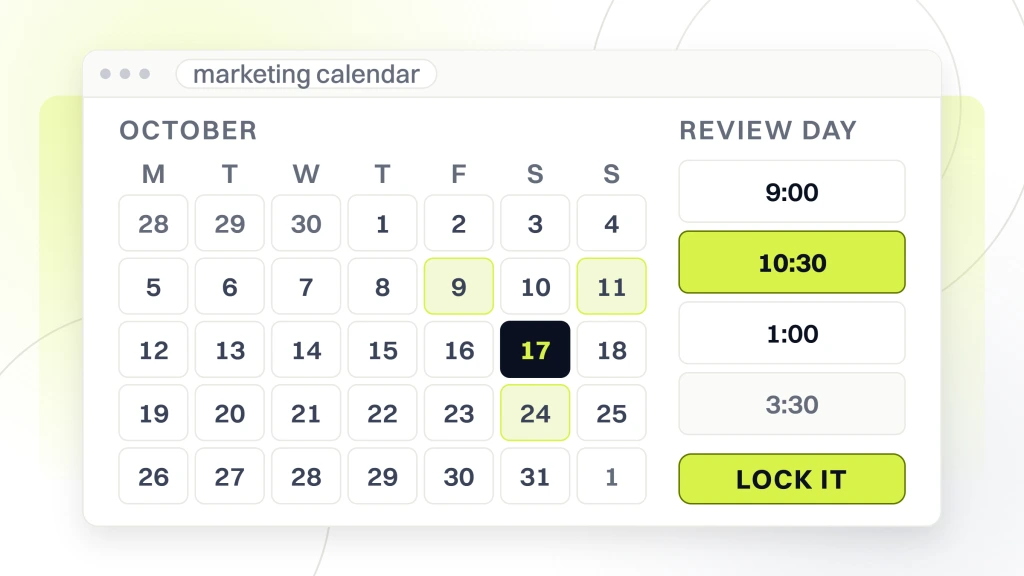
Month, theme, featured offer, eligibility rules, tracking phone number, tracking landing page URL, ad channels running, front-desk script phrases, sample objection handling, KPI target, and reporting line owner. That page goes live in the last week of the previous month. It sits behind reception and in the marketing team’s shared drive.
Linked asset library
The brief links the ad creative folder, the landing page URL, the email templates, the social calendar, and the GBP post schedule. Every asset carries a version tag and an owner. Practices that skip the version tags end up running last year’s creative by accident and only catch it after the report reads flat.
The mid-month check
Mid-month check on day 14 or 15 reviews pacing against the KPI target. If pacing on the dental marketing calendar sits 30% below plan, the team pushes a mid-month adjustment such as a budget shift, creative refresh, or targeting change. Practices that only look at the report at month-end miss the correction window and let the month slip. The check runs for 20 minutes with the marketing owner, the front-desk lead, and one practice partner. Twenty minutes on day 15 saves the whole month more often than not, and it builds the habit of intervening on data instead of reacting after the fact.
A dental promo calendar that does not attract bad leads
The dental promo calendar side of the dental marketing calendar can pull good leads or bad leads depending on offer design. Steep discounts on new patient exams pull price shoppers who chase the deal to the next practice next quarter. Well-designed offers pull patients who value the provider relationship and stay on the recall book. Offer design is the highest-use decision the calendar makes every year.
Offers that build a patient base
Bundled exam plus cleaning plus x-rays at a straightforward introductory price. Whitening add-on with a scheduled cleaning. Complimentary consult for a specific procedure the practice wants to grow. Membership plan enrollment with clear benefits. Each of these pulls patients who understand what they are getting, not deal-hunters.
Offers that attract the wrong lead
$1 first cleanings pull patients who will not return for the paid follow-up. Buy-one-get-one whitening pulls patients who share benefits. Free-everything pulls anybody who has learned to work the sign-up bonus economy. Practices that run these offers year after year notice churn on the same names. The retention math on a discount-hunter patient rarely clears the front-desk time to book them.
Compliance in the fine print
Every offer needs clear eligibility (new patients only, insurance rules, expiration date) in the ad creative and on the landing page. State dental board rules vary. A short compliance review of every featured offer at the start of the year plus quick sign-off on ad copy that ships with the brief keep every campaign clean. A short offer-review checklist walked with the practice compliance contact before ad launch closes most of the last-mile risk. Our dental ad ideas guide covers offer templates.
Reserve 15 to 20% of the monthly ad budget for opportunistic reallocation. Practices that spend 100% of the plan cannot react when a competitor opens nearby or a local event shifts demand.
Reporting and review inside the calendar
Reporting is the piece of the dental marketing calendar most practices treat as an afterthought, yet the reporting cadence is what makes the dental marketing calendar compound year over year. A calendar without a reporting rhythm turns into a list of promotions that ran, not a growth program. The report format matters as much as the promotion mix. Reports that read cleanly get read. Reports that dump 40 metrics into a spreadsheet get ignored. The reporting cadence carries the calendar into partner meetings so decisions get made on data, not on the loudest voice in the room.
Weekly pacing update
Slack or email note every Monday morning with spend pacing, lead pacing, and any red flag. Three sentences. The purpose is to catch a problem before Friday. Weekly updates that turn into 30 line items get ignored. Weekly updates that stay tight get read.
Monthly report
Monthly report covers spend, leads, booked appointments, showed appointments, treatment acceptance, and revenue attributed to marketing where the practice tracks it. Report ties directly to the month’s theme so the partners can see whether the theme delivered. Practices that send the theme-tagged monthly report see faster partner sign-off on next-month plans.
Quarterly review and calendar revision
Quarterly review looks at trend across the three months of the quarter, revises the next quarter’s plan if seasonality shifted, and looks at ownership questions on assets and vendors. Practices that skip the quarterly review find themselves running last year’s plan in November even when patient behavior has moved. The quarterly session picks the one thing the next quarter should test, a new offer, a new channel, or a new landing page structure. Running one test per quarter builds a library of what works and what does not for that specific practice. For the tracking backbone, see our dental marketing attribution guide.
The dental marketing calendar in one table
The table below is the compact dental marketing calendar view most practices tape to the wall behind reception. Each row locks a month to a theme, featured offer, and KPI target. Practices that run the calendar for two consecutive years compare rows and adjust based on what converted the first time around.
| Month | Theme | Featured offer | KPI target |
|---|---|---|---|
| January | Insurance reset | New patient comp exam bundle | New patient bookings |
| February | Heart month gum health | Periodontal comp exam | Booked perio consults |
| March | Pre-summer cosmetic ramp | Whitening plus consult | Cosmetic consults booked |
| April | Whitening peak | Professional whitening bundle | Whitening treatments booked |
| May | Full-mouth cosmetic | Smile consult | Consults signed for treatment |
| June | Wedding season | Quick-turn cosmetic | Same-week booked cases |
| July | Early back-to-school | Family cleaning bundle | Family blocks booked |
| August | Peak back-to-school | Pediatric cleaning | Pediatric appointments |
| September | Orthodontic season | Ortho consultation | Ortho consults booked |
| October | Benefits check | Benefits review consult | Lapsed patient reactivation |
| November | Treatment ramp | Benefits-expiring reminder | Treatment case acceptance |
| December | Final push plus January planning | Last-week booking window | Benefits captured, January consults queued |
The strongest calendars are the ones the practice runs unchanged for two full years, then revises with data. Chasing a shiny new promotion every quarter destroys the compounding effect. Discipline on the calendar is what separates 8% year over year growth from 22% year over year growth. Local seasonality adjustments matter too. A snowbird-heavy Florida practice compresses the Q1 insurance push into January so retirees leave in April. A ski-town Colorado practice runs the family push in mid-May so school gets out later. A Texas practice sees a bigger July back-to-school gain than the national average so Texas school-year startups run earlier. The base calendar is the same. The local overrides adapt the base to a specific market, and practices track those overrides year over year to sharpen the following year’s plan.
Templates are one thing. Dental marketing calendar enforcement is another. Practices that print the dental marketing calendar and post it near reception, in the marketing shared drive, and in the monthly partner meeting agenda run it. Practices that email the calendar once in January drift by March.
Case study multi-office dental calendar rollout
Smile Design Dentistry runs 50+ offices as a DSO across Central Florida and Tampa Bay. Before Redefine Web engaged, each office ran its own scattered promotions with no shared theme. Marketing spend hit similar totals at each office but produced very different outcomes so the campaigns overlapped, competed, and lacked reporting consistency.
What we standardized
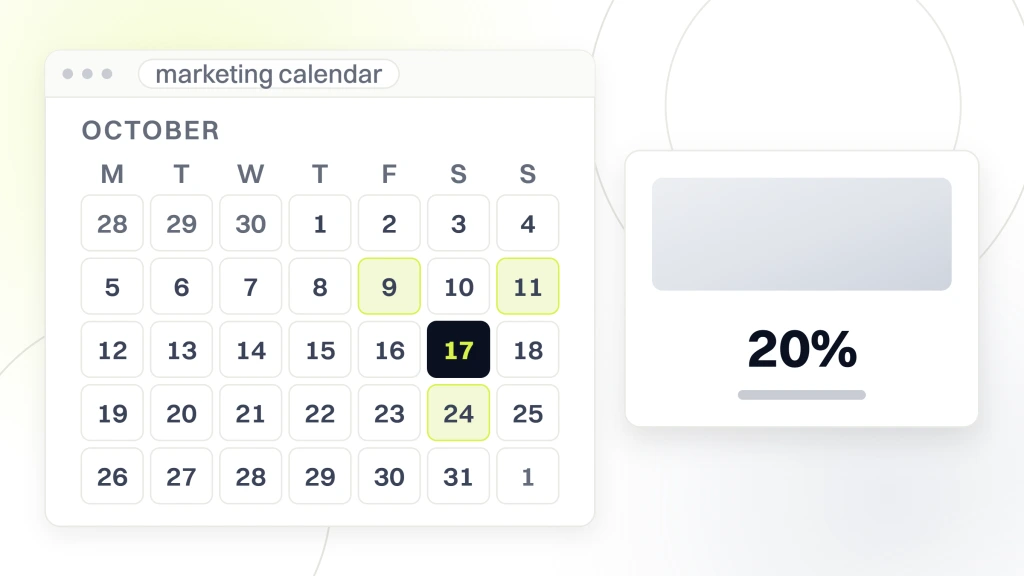
One shared dental marketing calendar across all 50+ offices with per-office overrides for local seasonality. One shared featured offer per month with per-office pricing tokens. One shared reporting format so the DSO leadership could compare offices apples to apples. Local team briefs went live in the last week of the prior month.
What moved on the account
PPC conversion rate climbed 20% across the network. Cost per call fell 30%. Campaign launches ran on time across every office, which had never happened at scale before the calendar existed. Office comparability improved so much that the top-performing office practices got documented and rolled to underperforming offices as playbooks.
What the DSO kept from the dental marketing calendar
The calendar itself became an internal asset. When Redefine Web hands the account back at any point, the DSO owns the calendar template, the monthly brief format, the reporting cadence, and the ad accounts feeding it. That ownership pattern is the point of the whole engagement, not a footnote. See our dso dental marketing guide for the multi-location version.
Lock your dental marketing calendar this October
If your practice has been running scattered promotions and asking why the year feels frantic, a 90 minute session to lock the next 12 months into a dental marketing calendar is the fastest way to turn the year into a compounding program. Every dental practice eventually needs the calendar, and doing it in October gives every month of the following year the lead time it deserves. Book the planning session, pick the 12 themes, wire the reporting cadence, and stop rebuilding the wheel every quarter.