Marketing ideas for chiropractors are only useful if they book a new patient this month, not next quarter. This guide is a working list of campaigns, offers, promotions, content angles, and front-desk moves that fill the schedule without a rebrand or a $50,000 media plan. Pick 2 or 3 that fit the practice, run them for 30 days, measure booked exams, and reshape from there.
You won’t need a bigger website, a new logo, or a full agency contract to try most of what’s below. You’ll need the patient file, the phone number, a Google Business Profile, and about 4 hours a week of somebody’s attention. Every idea here has been tested at real independent practices booking 30 to 90 new patients a month. The ones that failed didn’t make the list.
Content marketing ideas for chiropractors that rank and convert
Content is where practices burn the most time for the least return. Written properly, a single condition page books 40 to 90 new patients over 24 months. Written badly, a hundred blog posts sit on the site collecting dust. The rule is to write for a person about to Google their pain at midnight, not for an SEO scorecard.
Priority order is simple. Fix the 4 top condition pages first. Then publish 2 blog posts per month tied to real questions patients ask at the front desk. Then add a location page for every neighborhood the practice draws from. Skip news roundups, industry think pieces, and anything about the state of chiropractic in 2026. Nobody searches for that. Real patients search for “sciatica pain down leg” and “chiropractor near me open Saturday.”
The 4 condition pages that carry the site
Back pain. Sciatica. Neck pain. Auto injury. These 4 handle 70 to 80 percent of the traffic that turns into a booked exam. Each page needs a plain-language explanation of the condition, 3 real photos of the doctor working, 3 trust signals (years in practice, review count, board certification), a first-person patient story, and 1 call to action above the fold plus 1 at the bottom. Length lands between 900 and 1,400 words. Longer isn’t better on a condition page.
Photos matter more than practices assume. Stock imagery of a stranger’s spine drops trust before the reader hits paragraph 2. A real photo of the doctor’s hands on a patient’s neck, taken in your own office with the sign visible, does the opposite. Budget 2 hours with a local photographer once a year and the site pays that back inside a month.
Blog post ideas that book, not just rank
Write 2 posts a month. Question format outperforms listicle format for chiropractic content by 3 to 1 on booked exams. “How long does sciatica take to heal without a chiropractor?” “Why does my back hurt after sleeping?” “When should you see a chiropractor for whiplash?” Each post answers the question in the first paragraph, then explains the reasoning, and closes with a soft ask to book a consult.
Local marketing ideas that turn neighbors into patients
Independent chiropractic practices win on local relationships. Every patient inside a 5-mile radius has 10 neighbors who also have back pain and no chiropractor. The channels below turn the practice into a known name in that 5-mile ring within a season.
The mistake most practices make is spending on billboards or radio to reach the whole metro. The right move is depth in the neighborhood. Sponsor the youth soccer league. Show up at the running club Saturday morning. Host a monthly ergonomic-desk workshop for remote workers at the local coffee shop. Every one of these produces conversation and referrals that outlast a paid ad.
Sponsorships that actually earn back the check
Youth sports leagues, running clubs, community 5K races, adult recreational sports leagues, and CrossFit gyms produce patients. Chambers of Commerce dinners and generic gala nights produce business cards from other business owners. Sponsor the events where the audience is adults with backs, knees, and hips that already hurt. Set up a folding table at packet pickup with the exam offer and a signup sheet. Track sponsorship dollars against booked exams by asking 1 question at intake.
Workshops that book more than they cost
Once a month, host a 45-minute talk on ergonomic setups for remote workers, posture for parents carrying kids, or golf swing biomechanics for the local country club. Free to attend. Held at a coffee shop, a co-working space, or the practice’s own waiting room after hours. 12 people show up, 3 book an exam, 1 becomes a care plan patient at $1,800 lifetime value. That single workshop returned the cost of the room, the doctor’s time, and the marketing for the month.
Social media marketing ideas for chiropractors that get seen
Short video wins on social media in 2026. Static quote graphics do not. The practice needs a steady short-form video cadence, a clear content theme, and a doctor willing to be on camera. Everything else is a distraction.
2 Instagram Reels per week and 1 TikTok per week is the practical baseline. Recycle the same 30 to 45 second clip across both platforms. The theme is education plus 1 condition demonstration or 1 stretch. Follow the Google generative AI in search patterns for how questions surface in AI Overviews. Content that answers a specific question wins on search and on social at the same time.
The video format that books patients
Doctor on camera. 30 to 45 seconds. Hook in the first 2 seconds. “If your back hurts when you stand up from a chair, here’s what’s happening.” 1 demonstration or 1 drawing on a whiteboard. 1 line at the end that says “Book a consult if this sounds like you.” No fancy edits. No music that overpowers the voice. No cutaways to stock footage. The doctor’s face is the trust signal.
Topics that earn saves and shares
“3 stretches for sciatica pain.” “Why your neck hurts after working from home all week.” “What to do in the first 24 hours after a car accident.” “How to sleep if your back is killing you.” These topics earn saves because a person watches, thinks “I need this,” and taps the bookmark. Saved videos get resurfaced in the algorithm and reach 10 times more people than a video with only likes. Read Social media marketing for chiropractors for the full weekly plan.
Email and SMS marketing ideas that fill Tuesday afternoons
Email and text messages sit on the highest-margin corner of the marketing mix. The list is owned. The list is already qualified. The list opens because the doctor is already the trusted source. Practices that ignore email and SMS for years are losing 30 to 50 exams a month.
The 2 ideas that produce most of the return are reactivation to lapsed patients and same-week reminders to active patients about open Tuesday afternoon slots. Add a monthly newsletter with 2 links (1 to a blog post, 1 to a booking page) and the trio covers 80 percent of what email needs to do.
The reactivation sequence format
5 messages over 21 days. Message 1 is a check-in from the doctor by name. Message 2 references the last presenting complaint from the chart. Message 3 offers a specific reason to book now. Message 4 addresses the friction (cost, time, insurance). Message 5 is a plain ask with a booking link at the top. First-person voice. 2 paragraphs each. The best-performing reactivation email we’ve ever tested was 84 words. Longer emails lose momentum. Read Email marketing for chiropractors for the full copy template.
The Tuesday afternoon SMS trick
Tuesday afternoons are the slowest slot in most chiropractic schedules. Every Monday at 4 pm, send a text to the last 30 patients who visited saying “We have 3 open Tuesday afternoon slots tomorrow if your back needs a check-in.” That single text fills 1 to 3 of the 3 slots most weeks. Compound that over a year and it’s 100 extra adjustments booked at near-zero cost. The trick is simplicity, not sophistication.
Referral marketing ideas that outperform paid ads by 5 to 1
Referred patients close at 65 to 80 percent versus 30 to 50 percent for paid search. They also stay longer and refer more people. Every practice knows this and most practices still have no written referral program. The gap between “we get referrals” and “we run a referral program” is worth 8 to 15 booked patients a month.
A referral program needs 3 parts. A referral card printed on real cardstock. A written script the doctor uses at the end of a good visit. A thank-you gift that costs $10 to $15 and gets sent when a referred patient completes an initial exam. The gift isn’t the driver. The ask is. The gift is what turns the ask into a repeatable habit the front desk actually maintains.
The doctor script that earns referrals
“Before you head out, if this session helped, we’d love it if you passed our name to anyone else in your life dealing with the same thing. Here’s a card. If they book, we send you a coffee card as a thank-you. No pressure at all.” 10 seconds. Read verbatim for the first month, then let the doctor make it their own. Somewhere around week 5, a Facebook boost that has been running for 6 months quietly gets paused and nobody notices. That’s fine. The doctor script is booking more patients than the boost ever did.
Professional referral partnerships worth building
Massage therapists. Physical therapists in adjacent specialties. Primary care doctors who see back pain and don’t want to prescribe opioids. Personal trainers. Yoga studios. Each of these professionals sees patients with musculoskeletal pain every week. A quarterly coffee with each partner, a written cross-referral agreement, and 1 shared educational event per year produces steady inbound referrals. Skip the ones where the relationship is transactional only. Referrals happen when 2 humans trust each other.
Paid ad ideas for chiropractors that book, not just click
Paid ads are the fastest reliable channel for a new patient in week 1. The account has to be built for booked exams, not for cheap clicks. Practices chasing low cost per click end up with cheap traffic from the wrong search terms and no booked patients. Cost per booked exam is the only metric that matters.
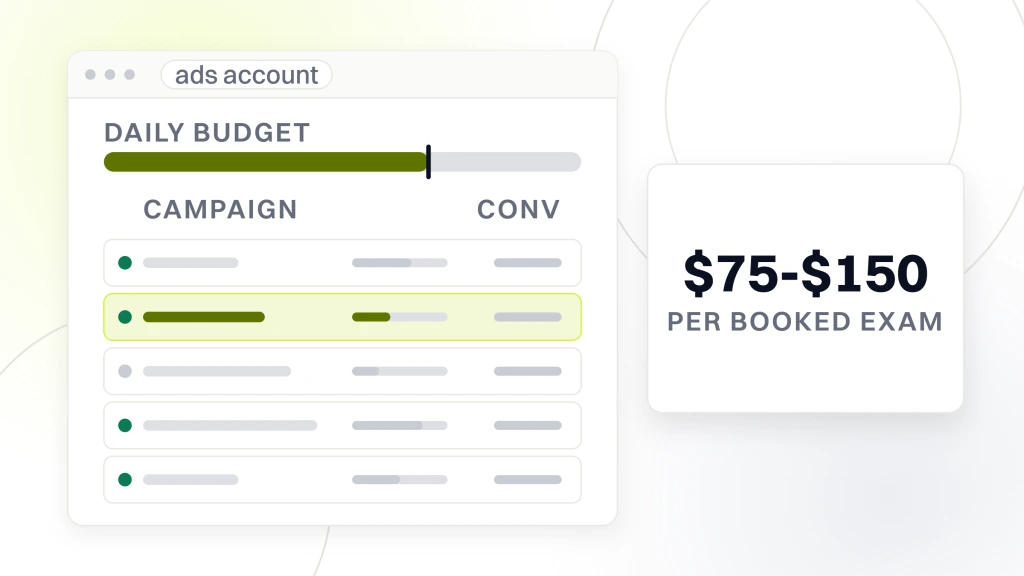
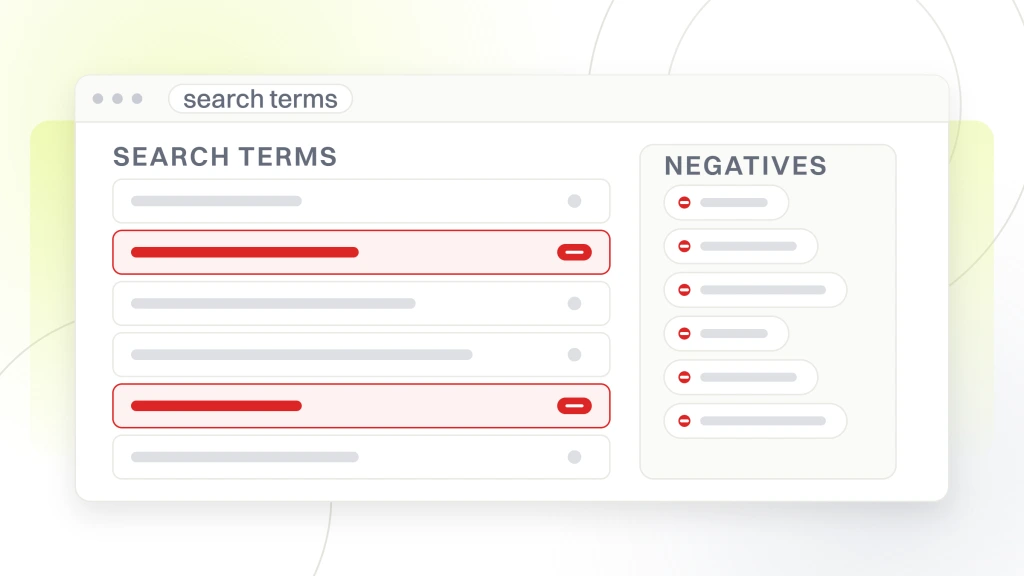
4 campaigns handle 90 percent of the intent. Back pain. Sciatica. Auto injury. Branded search. Every campaign has 1 exact-match ad group and 1 phrase-match ad group. Negatives run 60 deep and refresh weekly. Conversion tracking fires on the booking form submit and on any phone call over 90 seconds through Google Ads call tracking. Practices already using PPC for chiropractors can layer Facebook and Instagram Reels ads on top once search is producing.
Budget lands between $1,200 and $3,500 a month for a solo practice in a mid-sized market. Below $1,200 the account starves for data and never gets past learning mode. Above $3,500 without a call-tracking dashboard is money you can’t defend at the Friday review meeting. Set a hard target of $75 to $150 per booked exam in month 2, and pause any ad group that runs 60 days without hitting it. That single rule saves most accounts from the slow drift into wasted spend.
The branded search idea most practices miss
Somebody who Googles the practice name is 4 to 7 times likelier to book than a cold searcher. Branded search ads intercept them before a competitor buys the same click. Owners hate paying for a click on their own name, and then a competitor spends $2.40 for that same click and steals the exam. Buy the branded traffic. It’s the cheapest booked patient in the account and it protects the reputation you already earned.
Facebook and Instagram ad ideas that support search
Facebook and Instagram aren’t a first-week channel for chiropractic. They’re a follow-up channel once search is producing. Run a retargeting audience of anyone who visited a condition page but didn’t book. Run a lookalike of the last 500 patients from the CRM. Run a Reels video ad featuring the doctor explaining sciatica in 30 seconds. Cost per booked exam runs 30 to 60 percent higher than search, and that’s fine as a support channel but wrong as a primary channel.
Front desk marketing ideas that book without any ad spend
The front desk is a marketing channel most practices never fund. Every interaction is a chance to book the next appointment, ask for a review, hand out a referral card, or answer a question that keeps the patient coming back. The gap between an average front desk and a trained one is worth 15 to 30 booked exams a month at zero incremental cost.
3 moves cover most of the lift. A written script for the referral ask. A written script for the review request. A written script for rebooking at checkout. Print all 3 and put them at the front desk. Run a 5-minute Wednesday huddle every week to reinforce. Practice leadership walks by the desk once a day to hear the scripts being used. That’s the whole training program.
The review request that actually earns reviews
Ask at checkout, not by email. “If today was helpful, would you leave us a quick review on Google? It takes about a minute and helps other patients find us.” Hand the patient a card with the QR code that opens the review page. Half the patients will do it right there. Reviews mentioning the neighborhood and the specific service outrank generic 5-star reviews for local ranking. A patient writing “Dr. Smith helped my sciatica after months of pain, the Highland Park office is right off the parkway” is worth 10 generic reviews.
The rebooking script that keeps patients on plan
“Dr. Smith wants to see you back Thursday at 4:30 for the next adjustment. Does that work, or would Friday at 10 be easier?” Never ask if the patient wants to book. Ask which of 2 times work. Retention on care plans improves by 20 to 30 percent when the rebooking is assumed rather than asked. Combine with a text reminder 24 hours before and no-show rates drop below 5 percent.
Tracking and measurement ideas that catch problems in week 2
Every marketing idea in this guide is only as useful as the tracking behind it. Practices that skip tracking spend the same money on the same channels every quarter and can’t say which one worked. This section is the minimum tracking setup for any marketing idea to be measurable.
The setup is short. Call tracking on every ad campaign and landing page. Conversion event fires on booking form submit. Every new patient tagged in the EMR at intake with a source field (Google Ads, SEO, referral, email, other). A 1-page weekly scoreboard the front desk can read on Monday morning. That’s the whole tracking system for the first 6 months.
The weekly scoreboard that matters
1 page, 5 rows, updated every Monday. New patient count month to date. Booked exam count month to date. Average cost per booked exam month to date. Review count added last 7 days. Reactivation email open rate on the last send. Every other metric is supporting cast that lives in the workbook. The scoreboard is what the doctor reads at the top of every Friday review meeting.
The single question at intake that settles attribution
“How did you first hear about us?” Ask it at intake, write the answer in the EMR source field, and stop guessing. This 1 field lets the practice pull cost per booked patient by channel at the end of every month without a spreadsheet detective session. Practices that skip it end up in the marketing manager’s office arguing over whether Facebook or Google produced last month’s growth. The answer was on the intake form.
How Redefine Web runs these marketing ideas for chiropractors
Redefine Web runs these ideas as a monthly retainer that covers the campaigns, the offers, the promotions, the content calendar, and the tracking. Practices sign up when they want the ideas to actually run instead of sitting in a folder. Contracts are typically 6 months, and that’s how long it takes for reactivation, referrals, and local SEO to stack into a real month-over-month lift.
We opened the case work with Pain Cure Clinic on the same foundation of ideas. Education-driven SEO content, condition pages, targeted Google Ads and Facebook ads on the highest-intent conditions, an automated intake and reactivation sequence, and a written referral loop. 12 months later the practice had 205 percent more new patient appointments (from 40 to 122 monthly), 289 percent more organic traffic, and reviews up 162 percent to a 4.9-star average. The ideas weren’t exotic. The follow-through was.
What a typical engagement looks like
A 2-hour kickoff. A written 90-day plan in the practice’s inbox by day 3. Reactivation email launched inside week 1. Google Ads live inside week 2. Front-desk script trained by week 3. Weekly Friday review meeting for the first 8 weeks, biweekly after that. The retainer starts at $1,499 per month for the base package and scales with market size and ad spend. Read Marketing plan for chiropractors for the full 90-day version.
Which marketing ideas for chiropractors to try first this week
Pick 3. 1 fast campaign (a reactivation email is our default). 1 offer (the $49 new patient exam works in nearly every market). 1 front-desk move (the referral card and script). Run them for 30 days. Track booked exams. Report to the practice owner at the end of the month. If 2 of the 3 produced, expand. If none produced, the tracking or the offer is wrong. Book a strategy call through the chiropractor marketing services page when you’re ready to run the full stack.