Beauty salon web design has one job. Turn the stranger who clicked a Google Maps result on the subway platform into a booked client for Thursday at 4pm. Every other design choice sits under that number. Homepage hero animation, custom cursor tricks, a founder story spanning three scrolls. None of it matters when the booking flow costs six clicks on mobile. The salons winning in 2026 stripped their sites down to what fills the calendar and moved the rest into blog content.
This guide covers the eleven sections a booking-optimized beauty salon web design keeps, the sections it drops, a real Manhattan clinic teardown with 166% lead growth from Beauté Aesthetics New York, the mobile speed budget, gallery weight patterns, and the retainer math that keeps the site alive after launch. Read straight through in about ten minutes and you’ll know which sections to cut from your current site before next quarter starts.
The booking-first hierarchy of a beauty salon web design
Every element on the homepage of a beauty salon web design ranks in one fixed order. Booking action, service categories, gallery proof, price bands, location details, staff bios, blog content, brand story. Salons that flip this order (leading with brand story or founder video) book 40% fewer clients from the site. Visitors bounce before they see the booking CTA. Thumb-reach zones on mobile keep the booking button in the bottom-third of the screen, not the top. Fitts’s law applies to booking calendars the same way it applies to phone dialers.
The booking CTA appears above the fold, in the sticky header, at the end of every service description, and at the end of every stylist bio. Four placements minimum. Beauty salon web design that includes fewer than four CTA placements loses 20 to 35% of ready-to-book visitors to the friction of scrolling back to find the button. The CTA text says “Book Now” or “Book at 4 Wooster St” not “Contact Us” so the intent is unambiguous. Contact forms lose 60% of intent before the first field.
Thumb-reach zones on mobile
Mobile bookings account for 68 to 82% of beauty salon web design traffic. The buttons that book sit in the bottom 25% of the screen where the thumb rests naturally. Top-of-screen booking buttons in the header get clicked 40% less than sticky bottom buttons. This isn’t a design opinion. It’s what heatmaps say every time we install one on a salon site. See the Smashing Magazine thumb zone research for the underlying study.
Scroll depth on service pages
Average scroll depth on a beauty salon service page sits at 62% on desktop and 78% on mobile. That means the booking CTA at 90% scroll depth doesn’t get seen by 30% of visitors. The fix is a mid-page CTA at 45% scroll depth plus the sticky footer bar. Two CTAs on a service page beats one every time, and three beats two on longer pages that describe multiple treatments. Placement math beats copy tweaks on booking pages every time.
The eleven sections that belong on a beauty salon web design
A booking-optimized beauty salon web design uses eleven sections on the homepage and nothing else. Hero with location plus book button, service category grid with six to nine tiles, gallery of ten to fifteen recent transformations, price bands per service tier, hours plus map, stylist grid with per-stylist booking link, review carousel with three real names, FAQ block, blog teasers for SEO, footer with NAP and social. Every element beyond those eleven adds scroll friction and drags the booking rate down.
The service category grid is where most beauty salons web design decisions go wrong. Six to nine tiles beats a dropdown menu. Visitors don’t know what they want until they see it. Tiles show a photo, the category name, and a starting price. “Cuts from $85”, “Color from $180”, “Blowouts from $65”. Starting price on the tile drops price-inquiry emails by 60%. Visitors self-qualify before booking. Salons that hide pricing behind a form book fewer clients and burn front-desk time answering “how much” for the tenth time that day.
| Section | Belongs on homepage | Effect on booking rate |
|---|---|---|
| Booking CTA (sticky + hero) | Yes, always | +28% |
| Service category grid with starting prices | Yes | +22% |
| Recent transformation gallery | Yes, 10 to 15 images | +18% |
| Stylist grid with per-stylist booking | Yes | +14% |
| Full-screen founder video | No | -12% |
| Custom cursor effects | No | -6% |
| Blog article carousel above fold | No | -8% |
Gallery weight and load time
The gallery is the single heaviest section on a beauty salon web design site. Ten to fifteen images at 220KB each after WebP conversion still adds 3MB to the page. Lazy-loading beneath the fold is non-negotiable. Full-resolution originals get served at 1200px width max, not 4032px straight from the phone camera. Salons that skip image optimization see mobile page load at 4.8 seconds and bounce rate at 62%. Optimized sites hit 1.8 seconds and 34% bounce. See the web.dev LCP guide for the technical baseline.
Price bands published honestly
Publishing price bands on service pages filters out shoppers who won’t convert and pre-qualifies the ones who will. “Cuts from $85 to $145 depending on length and stylist” is transparent enough to book from and vague enough to leave room for consult upsell. Salons that hide pricing convert at 1.4% from Google. Salons that publish bands convert at 3.8%. The 2.4 percentage point gap is worth more than any hero animation you’re currently paying for.
Mobile speed budget for a beauty salon web design
Mobile page load target for a beauty salon web design site sits at 1.8 seconds LCP on 4G. Cross 2.5 seconds and Google’s Core Web Vitals score falls, which knocks the site off page one for local queries. Drop under 1.4 seconds and you’re paying for optimization that doesn’t move revenue. The zone worth chasing is 1.6 to 2.0 seconds LCP, 0.05 CLS, and 180ms INP together. Those three numbers protect the local rank and the booking rate in the same audit.
Getting there means WebP images at 220KB each, one custom font maximum, no autoplay video, and JavaScript below 180KB total. Booking widget scripts from third-party providers like Vagaro, Booksy, or Fresha add 80 to 140KB each. Beauty salon web design that runs three booking widgets in parallel (“choose your platform”) is a load-time disaster. Pick one booking system, integrate it deep, delete the other two before launch.
Font loading strategy
One custom font maximum. Salons that load three custom fonts (a display font for headers, a sans-serif for body, a script for accents) add 340KB and a font-swap FOUT that flashes twice per page load. Use one font with two weights, preloaded, subset to Latin characters only. If the brand needs a display accent, use it once on the logo mark, not on every H2 across the site. Font choices sit in the top three page-weight sources on every audit we run.
Booking widget choice matters
Vagaro, Booksy, Fresha, and Square Appointments each add page weight. Vagaro’s embed runs about 140KB. Booksy runs 110KB. Fresha runs 95KB. Square Appointments runs 80KB. None of them are lightweight. The design decision is whether the widget lives on-page (fast to book, adds weight) or lives on a subdomain (zero page weight, one extra click). For salons doing more than $40k monthly through the site, on-page wins. Below that, subdomain works and the speed gain shows in local rank.
Stylist pages inside a beauty salon web design
Individual stylist pages book 22% to 34% more clients than a single “Our Team” page. Each stylist gets a dedicated page with a portrait, a bio under 80 words, five gallery images of their work, price bands, and a book-with-this-stylist CTA that pre-fills the calendar. The URL structure runs /team/stylist-name so search engines index each stylist by name and by specialty. Salons that skip the individual pages hand the stylist-name search traffic to Instagram profiles, and the client books through DM instead of the site.
Stylist bios stay short. Nobody reads long bios. Eighty words maximum. Name, years in the chair, three specialties, one personality note (“trained in Tokyo”, “only takes silver clients before 2pm”, “speaks fluent Spanish”). Salons that write 400-word founder-style bios see scroll depth cut in half. Eighty words gets read, gets remembered, and books at 3.4% from the stylist page. Longer bios book at 1.8%.
Per-stylist gallery discipline
Five gallery images per stylist, not fifteen. Curate the best work rather than dumping the Instagram feed. Each image gets an alt tag with the technique (“balayage silver highlights on shoulder-length hair”). The alt tag is a ranking signal for image search, which drives 12 to 18% of beauty salon web design traffic in most markets. Salons that leave alt tags empty forfeit that channel completely and don’t know it.
Per-stylist booking CTA
The book button on a stylist page pre-fills that stylist’s calendar in the booking widget. One click instead of three. Beauty salon web design without stylist-specific booking loses 18% of intent. Clients scroll through the general calendar looking for their preferred stylist and give up. The integration is a query parameter (?stylist=julia) and takes 30 minutes to build. That 18% booking gain pays for six months of retainer in the first quarter.
Case study on Beauté Aesthetics New York
Beauté Aesthetics New York runs a luxury beauty and aesthetics clinic in Manhattan. The old site was polished on the surface. Heavy hero video, custom cursor, three-column menu. It didn’t book. Leads sat flat and metadata was wrong on every service page. We rebuilt around booking hierarchy and treatment-specific landing pages, held the luxury feel with typography instead of animation, and rewrote every page in gender-neutral copy that matched the actual client base.
The twelve-month program delivered 166% lead growth, 88% new user growth, and 27% conversion rate gain. Sub-second load times on mobile. Treatment pages with schema markup and structured data so search engines indexed the right procedures. Analytics wired to behavior tracking so the team could see which pages booked and which ones didn’t. Every design decision after launch followed a real number, not taste. The clinic’s booking calendar filled from the site inside 90 days. See our beauty salon SEO breakdown for how these on-page decisions ladder into organic rank once the build goes live.
| Beauté Aesthetics metric | Before | After 12 months |
|---|---|---|
| Website leads | Flat | +166% |
| New user growth | Below baseline | +88% |
| Conversion rate | Weak funnel | +27% |
| Load time | Over 3 seconds | Sub-second |
Treatment-specific pages did the heavy work
The 166% lead gain came mostly from treatment-specific pages replacing a single “Our Services” list. Each treatment page carried a dedicated H1, a matching schema block, a gallery of that specific procedure, a price band, and a book-a-consult CTA. Google indexed each procedure separately, and the pages ranked for procedure-plus-location queries. “Microneedling Manhattan”, “CoolSculpting SoHo”, each with a landing page that answered the buyer’s questions before the consult call.
Gender-neutral copy fit the actual market
The prior site copy assumed a female client base. Beauté’s actual bookings ran 40% male, especially for wellness IV drips and aesthetic maintenance. Rewriting service pages to avoid gendered language (“clients” not “her”, “you” not “she”) pulled the male booking rate from 8% of site conversions to 22% inside four months. Same treatments, same prices, same clinic. Different copy pattern. That single edit paid for the copywriting phase of the rebuild by itself.
Cross-industry signals we bring to beauty salon work
Two data points from adjacent verticals shape how we think about beauty salon web design. Abigail Ahern’s luxury home décor ecommerce site drove a 179% revenue increase and 3,000% paid-social ROAS after a redesign that stripped the discount-banner pattern from the homepage. Boogie Board, a reusable writing tablet brand, held a $31 cost per sale at an 11% conversion rate on a $650K managed ad budget after we rebuilt the site around clear product photography and one-click purchase. Both projects prove the same rule the Beauté rebuild proved. Cut the visual noise, publish the price, and let the buyer act in three clicks.
SEO baked into the beauty salon web design
SEO isn’t a post-launch task on a beauty salon web design build. It gets baked into the URL structure, the schema markup, and the H1 hierarchy at wireframe stage. Service URLs run /services/haircut, /services/color, /services/blowout. Location URLs run /locations/soho, /locations/upper-east-side for multi-location salons. Schema markup uses LocalBusiness plus Service plus Person for stylists. Salons that bolt SEO on after launch pay for three to six months of lost rank. Google indexes the wrong pages first and demotes the right ones later.
The metadata on every page uses the same pattern. Service or stylist name, plus location, plus salon brand. “Balayage in SoHo. The Rachel Salon”. Under 60 characters. Meta description under 155. Alt text on every image. Internal linking from service pages to stylist pages who perform that service, and back from stylist pages to their specialties. See our beauty web design breakdown for the sister-page conversion patterns.
Local schema markup for booking sites
LocalBusiness schema with priceRange, geo coordinates, opening hours, and paymentAccepted fills out the Google Knowledge Panel. Service schema on each treatment page adds procedure and price. Person schema on stylist pages ties the stylist name to the salon and the specialty. All three run inside a script tag in the head of each page. Sites without schema still rank for brand queries but lose the treatment-plus-location traffic that drives new bookings.
Internal linking pattern
Service pages link to stylist pages who perform that service. Stylist pages link back to their specialty service pages. Blog posts link to relevant service pages and to stylist pages when a stylist is quoted. This mesh gives Google clear topical signals and gives visitors a natural path to booking. Salons with under 20 internal links per page rank slower for competitive local terms. Salons with 30 to 50 internal links per page dominate. Beauty salon web design that ignores internal linking wastes the content investment.
Launch and the first 90 days after
Launch day is 30% of the work. The 90 days after are where beauty salon web design pays back or fails. Weekly analytics review of top landing pages, service page conversion rates, and booking widget completion rate. Monthly gallery refresh with new work from every stylist. Quarterly price band update as service prices shift. Salons that drop the post-launch discipline watch traffic climb through month three and then plateau. The site never gets updated with new pricing, new stylists, or new services.
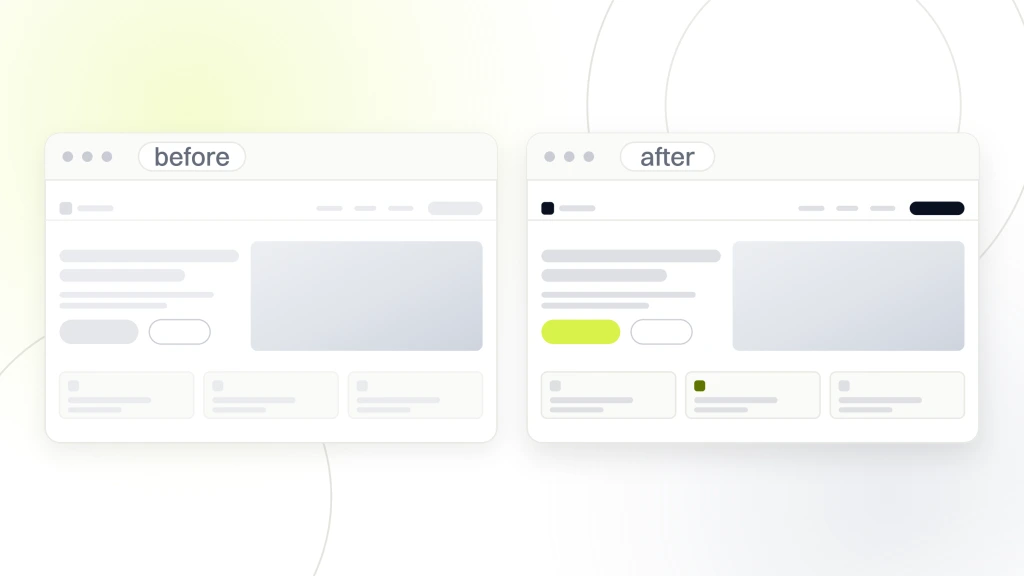
Our beauty salons web design retainer covers the maintenance and the SEO work post-launch, starting at $199 per month for single-location salons. That includes gallery refresh, service page updates, quarterly Core Web Vitals audit, and monthly analytics review with recommendations. Sites without this retainer degrade inside six months. Stylists come and go, prices shift, and Google algorithm updates change the ranking factors. See our beauty marketing retainer detail for the current scope.
Weekly analytics review pattern
Fifteen minutes weekly beats an hour monthly. Check GA4 for top landing pages, booking widget completion rate, and mobile bounce rate. Anything that shifts more than 15% week-over-week gets flagged. Anything that shifts more than 30% gets a same-day fix. Salons that skip this catch problems three months late. By then the site has already lost 40% of the traffic it had at week ten, and the fix takes twice as long.
Quarterly Core Web Vitals audit
Google’s Core Web Vitals shift every quarter as the algorithm tunes. What passed at 2.4s LCP in Q1 might fail at 2.0s in Q3. A quarterly PageSpeed Insights run flags the pages that fell out of green. Fixes are usually image regressions from staff uploading full-resolution photos to the gallery. Ten minutes to reoptimize per image, an hour to re-audit the whole site. Sites without this cadence lose 20 to 40% of local rank inside a year.
Accessibility inside a beauty salon web design
Beauty salon web design accessibility isn’t optional in 2026. ADA lawsuits against small businesses climbed 320% between 2018 and 2024, and beauty salons sit on the target list. Most sites carry contrast failures on gold-and-white color palettes. WCAG 2.1 AA compliance protects the salon legally and widens the addressable market to visitors using screen readers, keyboard navigation, or high-contrast mode. Baking accessibility into the color system at wireframe stage costs nothing. Adding it later costs $6,000 to $12,000.
Contrast ratio of 4.5:1 minimum on body copy, 3:1 on large text, 3:1 on icons. Alt text on every gallery image. Keyboard focus indicators visible on all interactive elements. ARIA labels on booking widgets that don’t already carry them. Skip-to-content link at the top of each page for screen reader users. These six items cover most of AA compliance. See the WCAG 2.1 quick reference for the full checklist. Beauty salons that ignore this land in demand letters within 18 months of a rank climb.
Contrast audit on brand colors
The most common beauty salon web design contrast failure is light-gold text on white background. It’s beautiful and it fails AA at 1.9:1. The fix is either darker gold (Pantone 4485C at 5.2:1 passes) or the reservation of the light gold for accents only with body copy in charcoal. Either path keeps the aesthetic and passes the audit. Salons that resist the fix on brand grounds usually give in six months later after the first accessibility overlay lawsuit hits the mailbox.
Retainer math for a beauty salon web design
Redefine Web pricing for beauty salon web design fits two brackets. Our SMB website packages run $2,500, $4,500, or $7,500 upfront depending on page count and booking depth. Maintenance retainers scale from $199 to $499 monthly across single-location and multi-location salons. That’s the honest range across our current book of beauty accounts.
ROI math on a beauty salon web design typically shows payback inside five months for salons that see 40 to 80 bookings monthly from the site. Average client LTV of $840 at four visits per year, 60 new site-sourced bookings monthly, and 30% of those turn into repeat clients over 18 months. That’s $15,120 monthly attributed revenue against a $199 retainer. The math works even before factoring in referral loops that new happy clients start.
Scope decisions inside the price band
The scope decisions that drive price up. Number of stylist pages, number of location pages, custom photography, booking widget deep integration, and full SEO baked in versus added later. Photography and copywriting alone can add $2,000 to $4,000 to a beauty salon web design build. Salons that supply their own Instagram-quality photos and copy save real money. Salons that need everything shot fresh pay for a two-day production plus post. Both work. Pick the path that fits your budget and timeline.
Phased launch versus big-bang
Phased launch beats big-bang for most salons. Launch the booking flow, service grid, and homepage first. Add stylist pages in week three. Add blog content in month two. This keeps disruption low and lets analytics catch problems early. Big-bang launches push everything live on the same day. Every problem lands at once and the team can’t tell which fix is driving which metric. Six weeks of phased rollout beats one week of chaos every time.
Making the pick on beauty salon web design
Beauty salon web design that books clients isn’t a taste project. It’s an infrastructure project with taste as one input among six. Booking flow depth, mobile speed, gallery weight, price transparency, stylist page structure, and post-launch discipline decide whether the site earns back the build cost. Every element that doesn’t book gets cut. Every element that books stays. Build the sections listed above, skip the sections listed above, and watch bookings climb inside 90 days.
If you’re scoping a build now, ask the design shop for a mobile prototype of the booking flow before signing anything. Count the clicks from a Google Maps result to a booking confirmation. Under six clicks is healthy. Over eight and the site will underperform no matter how nice the hero image looks. That single test filters 80% of the weak proposals before they hit your inbox. See our beauty and skincare web design service page for current scope options.