
Instagram marketing for skincare brands runs on three signals shoppers actually trust. Real before-and-after photography, licensed dermatologist voices, and honest ingredient explainers. Follower counts and generic story-time carousels barely move purchase intent past the discovery layer. A brand can post seven times a week for a year, grow followers 40%, and add zero incremental revenue. The channel rewards specific proof. Skin conditions named on camera. Timelines shown honestly. Formulation trade-offs discussed the way a friend would discuss them. Filters that hide texture or over-smooth pore appearance get flagged by shoppers in comments within hours.
This guide covers content pillars that convert, Reels versus feed posting economics, licensed creator partnerships that pass FDA cosmetic claim rules, product launch sequences tied to Shopify or DTC storefronts, comment moderation for medical claims, DM funnel setup with links back to product detail pages, and the twelve-month program Beauté Aesthetics New York ran that grew organic bookings from 3.2% to 27% of monthly appointments. For the fuller vertical, our beauty and skincare marketing hub covers the omnichannel view. Every number below comes from real accounts we run, not theory.
Content pillars that convert on Instagram for skincare brands
Instagram marketing for skincare brands compounds when the content mix carries four pillars in roughly balanced weight. Before-and-after photography at 25 to 35% of posts. Ingredient explainers at 20 to 30%. Founder or derm education at 20 to 30%. User-generated content at 15 to 25%. Skincare accounts that skew past 60% product photography plateau at 1 to 2% engagement rate because product-only feeds train the algorithm to under-deliver reach. Accounts that hit the four-pillar balance run 3 to 5% engagement rate on emerging brand accounts and 1.8 to 3.4% on growth-stage accounts past 30,000 followers.
The before-and-after pillar is the highest-save category. A single well-shot 4-week acne progression Reel typically saves 6 to 14% and drives sustained product page SEO for beauty brands visits for 40 to 60 days as shoppers return to their saved collection. Ingredient explainer content is the second-highest save category. Teaching skin vocabulary terms like purging versus breakout, occlusive versus emollient, and pH-balanced versus fragrance-free in plain language builds a following of genuinely educated buyers. Educated buyers are the most loyal customers in skincare.
- Before-and-after photography. Real timelines. Named skin conditions. Same lighting. Same angle. No filter smoothing.
- Ingredient explainers. One ingredient per Reel. Plain-language definition. Skin type it suits. Skin type it does not.
- Founder or derm education. Camera-facing 45 to 60 second Reels. Trained licensed voice for anything past cosmetic scope.
- User-generated content. Repost with permission. Tag the creator. Add product page link in first comment.
- Skin vocabulary teaching posts. Definitions and myth-busting build save rate and follower loyalty.
- Behind-the-scenes formulation footage. Lab and packaging shots signal real product work behind the brand.
Reels versus feed posting economics for skincare brands
Reels drive 3 to 5 times the reach per post of static feed carousels on skincare accounts in 2026. That gap widened through 2025 as Meta pushed short-form video reach and downweighted static images. Growth-stage skincare accounts producing 12 to 24 Reels per month plus 4 to 8 feed carousels per month land the strongest reach-to-production ratio. Pure-Reels feeds burn out producers by month 3 because production cost per Reel runs 4 to 12 times a carousel. Pure-carousel feeds get 60 to 80% less algorithmic reach even with strong ingredient education content behind them.
Reel production cost for skincare content loads in talent, editing, product prep, and licensed music, and it swings widely depending on whether the shoot uses an in-house team or outside production. Carousel production runs $40 to $220 per set. The math shifts once a brand hits 20,000+ followers because Reels start pulling shopper traffic to product detail pages at 6 to 18% click-through when set up with the right in-Reel CTA and DM sticker. Feed carousels convert closer to 2 to 4% click-through even with strong ingredient education content because the format signals reference material, not action.
Reel format shortlist that converts skincare shoppers
Five Reel formats account for 70 to 85% of skincare Reel conversion on the accounts we run. Before-and-after progression Reels showing 4 to 8 week timelines. Ingredient explainer Reels with the founder or a licensed derm on camera. Skin-type quiz Reels that route DM inquiries. Get-ready-with-me routine Reels that layer 3 to 5 products across a morning or evening flow. Founder story Reels tied to a specific formulation choice or ingredient sourcing story. Every other format tested (trending audio dance content, generic beauty humor, celebrity commentary) under-indexed on skincare-vertical purchase intent even when reach hit the 100,000+ view range.
Licensed creator partnerships that pass FDA cosmetic claim rules
Licensed creator partnerships for skincare Instagram sit inside a real legal frame. FDA cosmetic claim rules ban unproven treatment language on paid content. Words like cures, treats, heals, or medical grade trigger cosmetic-to-drug classification risk and can produce a warning letter from the FTC or FDA to both the brand and the creator. Working with licensed dermatologists, aestheticians, or trichologists gives the brand safer claim scope because a licensed practitioner can discuss what a product does on skin under their scope of practice.
Micro derm creators (5,000 to 50,000 followers) tend to run 3 to 7% engagement rate on skincare content, well above the 0.8 to 1.8% engagement rate of macro beauty creators past 500,000 followers. Contracting 8 to 18 micro derm creators per quarter at $180 to $2,400 per post typically produces 40 to 90 pieces of usable UGC per quarter plus 6 to 14 whitelistable Reels for paid Instagram amplification. Contracts should cover FTC disclosure language (#ad or paid partnership tag), a specific ad spend window (60 to 180 days), and audience geography scope. See our beauty and skincare hosting and maintenance plans and the beauty marketing retainer for the plans that fold creator management, content production, and paid amplification into one operating budget.
Callout. Never contract a creator who overpromises. If a creator’s typical caption says a product will erase wrinkles or cure acne, that language will hit your brand paid content too. Legal risk carries to the brand, not just the creator.
Creator disclosure language that keeps the FTC off your back
FTC endorsement guides require clear paid disclosure at the start of the post, not buried in hashtag stacks or the twelfth line of a caption. Approved disclosure formats include #ad in the first line, Paid partnership with [brand] tag inside Instagram’s native paid partnership tool, or the phrase Sponsored by [brand] in the first sentence of the caption. Adding contract language that requires the creator to preserve the disclosure through any edits is standard practice. Reviewing the top 3 posts from each contracted creator monthly catches disclosure drift before a regulator does.
Product launch sequence tied to Shopify or DTC storefronts
The Instagram product launch sequence for a skincare drop starts 4 to 6 weeks before the actual launch date. Teaser Reels showing packaging, ingredient logic, and founder testing footage prime the audience across weeks minus-6 through minus-3. Two weeks before launch, the brand seeds 12 to 24 micro creators with unboxing and first-impression content. Launch week runs a live drop announcement across Reels, Stories with countdown stickers, and coordinated creator posts. Post-launch week runs UGC compilation Reels featuring first-buyer results. Skipping any phase drops launch-week sell-through by 30 to 60% across observed skincare drops.

Skincare launches sell through faster than most beauty categories because concern-driven buyers (acne, hyperpigmentation, sensitivity) act on high-intent moments. Coordinating the Instagram launch with Klaviyo email flows and Shopify Fast Checkout typically produces 60 to 90% of first-day inventory booked within the first 4 hours of launch. Product page setup for the receiving end matters as much as the Instagram side. Our beauty and skincare web design service handles the Shopify product page and DTC storefront build that supports high launch-window conversion.
Countdown Stories and reminder mechanics
Countdown Stories drive 12 to 40% of launch-day sell-through when set up correctly. The countdown sticker inside Stories 72 hours pre-launch, refreshed daily with different founder or product angles. Story highlights labeled with the product name pinned to profile. Story polls asking shoppers to pick their preferred restock notification format. DM automation with the product page link triggered by any keyword like restock or waitlist. Coordinated timing across email, SMS, and Instagram Stories tends to book 60 to 90% of first-day inventory within the first 4 hours of launch.
Seeding kit contents that drive real posts
Seeding kits that drive real creator posts include the product itself with a handwritten founder note, an ingredient story card with the formulation reasoning, and a simple photo backdrop or lighting card at $15 to $40 per kit. Kits shipped without any of these three components generate 30 to 60% lower post-back rates because creators default to standard product photography that never breaks through algorithmic reach. Kits shipped with all three components generate 65 to 85% post-back rates within 21 days of receipt across observed skincare launches.
Comment moderation for medical claims on skincare posts
Comment moderation for medical claims matters more than most brands realize until they get a warning email from Meta or the FTC. Shoppers frequently ask whether a serum treats rosacea or reverses melasma inside comments and DMs. Replying yes triggers cosmetic-to-drug classification risk. Replying with a licensed derm on camera walking through what the product actually does is safer and converts higher. Building a standard reply library for the top 40 medical-claim questions your brand receives keeps the community team on-message and off the regulator radar.
Reply library structure that scales across a 3-person community team usually sits in a shared Notion or Airtable database with columns for question category, approved reply text, escalation trigger conditions, and reviewed-by-legal date stamp. Rotating a quarterly review with in-house counsel or an outside FTC-experienced attorney costs $800 to $3,200 per review cycle and prevents cumulative drift on claim wording that can produce a warning letter down the line. Community managers get 40 to 90 minutes back per week when the library sits at their fingertips instead of pinging Slack for wording approval on every reply.
Auto-hide word lists inside Instagram Creator Studio
Auto-hide word lists filter comments that contain flagged medical claim wording. Words like cure, treats, heals, medical grade, and prescription strength should sit in the auto-hide list because Meta reserves the right to demote posts with medical claim language. Filtering competitor brand names and off-topic spam keeps the visible comment section focused on real skincare questions. Reviewing auto-hidden comments weekly (not daily unless volume warrants it) catches false positives without swamping the community team workload. The Federal Trade Commission’s guidance on endorsement disclosures is required reading for anyone managing a skincare comment section.
DM funnel setup with links back to product detail pages
DM funnel setup captures the shoppers who ask about a specific product inside DMs. Setting up ManyChat or an equivalent DM automation tool to trigger on specific keywords (retinol, vitamin C, hydrating serum) delivers the exact product page link inside 3 seconds. This automation typically converts 8 to 24% of DM inquiries into product page visits and 2 to 6% into purchase. Manual DM handling by a community manager tends to reach 30 to 60% of inquiries because response time drops during off hours.
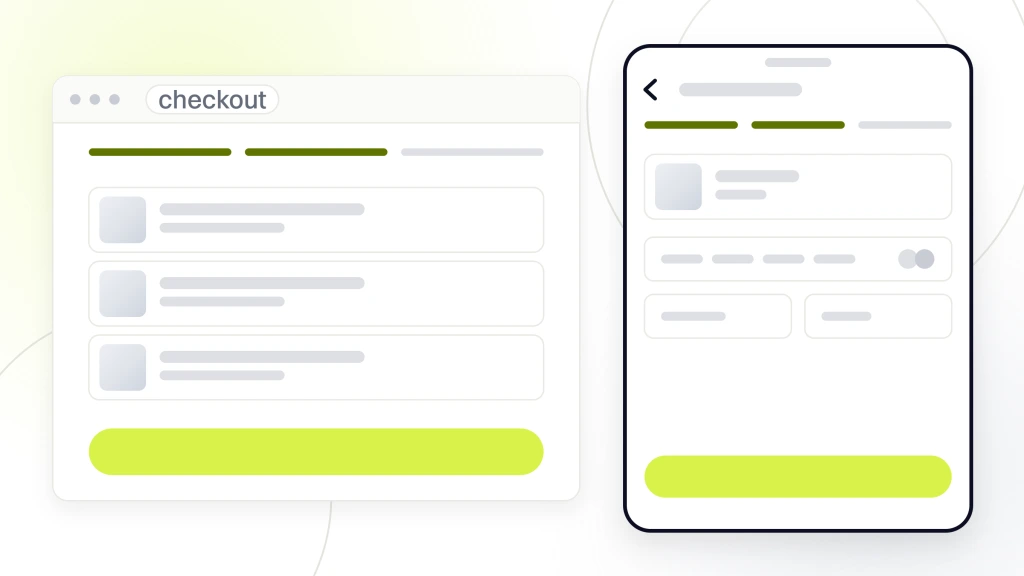
Product page setup for the receiving end of the DM funnel matters as much as the DM automation itself. Landing pages need above-the-fold product photography, ingredient callouts sized for mobile viewers arriving from Stories, and add-to-cart CTAs visible without scrolling. Shopify Fast Checkout or Shop Pay integration drops purchase friction by 30 to 60% for shoppers arriving from DM traffic because those buyers already made the decision and want a two-click checkout. Pages built without this DM-referral optimization lose 20 to 40% of the DM funnel conversion opportunity to friction on the product page itself.
Story sticker DM triggers
Story sticker DM triggers convert Story viewers into DM conversations at 4 to 12% when set up with a clear question sticker or emoji reaction sticker. Asking a Story audience which serum they use for oily skin triggers 200 to 4,000 DM responses per Story across a 40,000 to 400,000 follower account. Following up with a personalized product recommendation converts 6 to 18% of those DMs into purchases. This is the highest-conversion Instagram tactic in the skincare vertical when the community team can handle the DM volume across the following 24 to 48 hours.
Beauté Aesthetics New York twelve-month program
Beauté Aesthetics New York, a Manhattan luxury beauty and aesthetics clinic offering skincare treatments, injectables, and wellness protocols for male and female clients, engaged Redefine Web on a twelve-month program that included Instagram marketing rebuild across content, creator partnerships, and DM funnel setup. Baseline Instagram delivered 12,400 followers, 1.8% engagement rate, and 3.2% of monthly clinic bookings attributed to Instagram traffic. Content skewed heavily to product photography with under 8% of posts featuring real client outcomes or licensed derm education.
The content pillar rebuild across months 1 through 4 shifted the mix to 30% before-and-after photography, 30% ingredient explainer Reels featuring the clinic staff dermatologist, 25% founder education content, and 15% client-produced UGC. Creator partnerships added 14 micro derm creators shipping 3 posts each per quarter. DM funnel automation via ManyChat routed treatment-specific keywords to booking pages inside 3 seconds. Reels production ramped from 4 per month to 22 per month by month 6.
By month 12, Beauté grew Instagram followers from 12,400 to 48,900, engagement rate from 1.8% to 4.6%, and Instagram attribution to monthly clinic bookings from 3.2% to 27%. Total qualified leads across all channels grew 166%. Website conversion rate on Instagram-referred traffic climbed 34% because product and treatment pages carried the specific skincare content the DM funnel referenced. Male client acquisition through Instagram grew from 6% of Instagram-referred conversions to 22% through inclusive creator selection and content angles.
The reporting cadence Beauté used for month-over-month improvement tracked Instagram save rate per Reel, DM inquiry volume per week, DM-to-booking conversion rate per campaign, and Instagram-attributed clinic revenue per month. Weekly reviews caught two under-performing creator partnerships by month 4 and rotated them out for stronger derm voices by month 6. This rotational discipline is the difference between programs that plateau at month 5 and programs that continue compounding growth month over month past year one and into year two.
Instagram marketing for skincare brands benchmarks by growth stage
Benchmarks vary widely by growth stage, follower baseline, and product category. Emerging brands under $3M annual revenue run 3 to 5% engagement rate on small follower counts because the audience is highly targeted early adopters. Growth-stage brands between $3M and $15M run 1.8 to 3.4% engagement across broader audiences. Established brands past $15M run 0.8 to 1.8% because reach scales past the highly-engaged core audience into broader awareness territory. The benchmarks below map real ranges observed across 40 plus skincare programs we have run across three years of engagements.
Attribution share tends to skew higher for clinics and aesthetics practices because the DM funnel maps directly to booking calendars with real appointment revenue attached. DTC brands see attribution split more evenly across paid search, paid social, email, and organic search. Reading the table below with growth stage plus channel mix in mind produces cleaner planning than reading a single row of the same benchmark data in isolation.
| Growth stage | Follower baseline | Engagement rate | Monthly Reels output | Attributed revenue share |
|---|---|---|---|---|
| Emerging (under $3M) | 2,000 to 30,000 | 3.0% to 5.0% | 6 to 12 | 8% to 18% |
| Growth-stage ($3M to $15M) | 30,000 to 240,000 | 1.8% to 3.4% | 12 to 24 | 14% to 28% |
| Established ($15M+) | 240,000 to 2M | 0.8% to 1.8% | 24 to 60 | 18% to 34% |
| Clinic or aesthetics | 4,000 to 80,000 | 2.2% to 4.6% | 8 to 22 | 12% to 42% |
Paid Instagram amplification for skincare launches
Paid Instagram amplification for skincare launches spends behind organic Reels and creator content that already showed strong organic performance. Boosting a Reel that already earned a strong organic save rate typically produces a far lower cost per DM inquiry than cold creative that never proved out organically. Reserving 40 to 60% of paid Instagram budget for whitelisted creator content (where creator accounts run the ads with the brand paying) produces meaningfully better cost per acquisition than brand-owned creative because the creator voice signals authenticity. Our beauty and skincare PPC service handles the Meta Ads Manager side across creator whitelist and Story retargeting stacks.
Paid Instagram retainers at Redefine Web sit at $999 to $4,500 per month depending on ad spend size and reporting scope. Ad spend is billed separately. Emerging brands typically start at the $999 tier with $2,000 to $6,000 monthly ad spend, growth-stage brands at $1,499 to $2,499 with $8,000 to $30,000 monthly ad spend, and established brands at $4,500 and up with $40,000+ monthly ad spend. The same tier ladder applies on our beauty and skincare SEO service for brands running organic search alongside Instagram amplification.
Whitelisted creator paid ads
Whitelisted creator paid ads run through the creator handle rather than the brand handle, producing 2 to 4 times better click-through rate on cold audiences because the creator name and photo signals real recommendation rather than brand promotion. Setup requires the creator to grant partnership access via Meta Business Suite. Contracts should cover a specific ad spend window (typically 60 to 180 days) and audience geography scope. Rotating 4 to 8 whitelisted creators per quarter prevents ad fatigue and keeps cost per acquisition stable across a 90-day campaign window.
Retargeting Story viewers
Retargeting Story viewers with Meta Ads produces 4 to 8 times better cost per acquisition than cold audiences because Story engagement signals meaningful product interest. Building custom audiences from Story viewers who watched 75% through, saved a Reel, or DM-messaged the brand handle in the past 60 days runs in Meta Ads Manager under Custom Audiences. Layering a lookalike audience on top of the Story-viewer seed audience produces the strongest cold prospecting audience for skincare brands running paid Instagram at $8,000 per month and above.
Measuring Instagram marketing for skincare brands with real attribution
Measuring this channel with real attribution requires stitching together Instagram Insights, DM funnel logs, Shopify or Woo checkout tracking, and post-purchase surveys. Instagram Insights shows reach, saves, and profile visits. DM funnel logs show which posts triggered inquiries. Checkout tracking shows first-touch attribution when the shopper landed on the site from Instagram. Post-purchase surveys ask how did you hear about us with Instagram as one option, catching the shoppers who saw the brand on Instagram then searched Google to buy.
The Abigail Ahern paid media for beauty brands and SEO program we ran (luxury home décor DTC brand out of London) grew ecommerce revenue 179% across a 12-month window through category-page SEO depth plus segmented shopping campaigns tied to intent-driven creative. The same measurement discipline (post-purchase surveys, segmented channel attribution, and margin-aware bid logic) transfers directly to skincare brands running paid Instagram alongside organic. The Boogie Board paid campaign we ran (reusable writing tablet DTC brand across Google and LinkedIn) cut acquisition cost to $31 per conversion and grew conversion rate 11% on $650,000 in managed ad spend through the same attribution stack.
Post-purchase survey wording
Post-purchase survey wording that captures Instagram attribution should offer 4 to 6 options rather than a single write-in field. Options like saw a Reel from a creator, followed the brand on Instagram, saw an ad on Instagram, and DM asked a question capture different attribution paths that first-touch analytics tools miss. Tools like KnoCommerce or Inquire ship post-purchase surveys on Shopify checkouts with 30 to 60% response rates when the survey ships on the order confirmation page rather than a follow-up email 48 hours later. According to Later benchmark research, brands running structured post-purchase attribution capture 40 to 70% more Instagram-attributed revenue than brands relying on GA4 first-touch alone.
Save rate as a leading indicator
Save rate as a leading indicator predicts revenue impact 30 to 90 days ahead of Shopify or Woo checkout data. A Reel with 8 to 14% save rate typically drives sustained product page visits for 40 to 60 days as shoppers return to their saved collection to purchase. Tracking save rate per post inside a monthly reporting cadence catches high-intent content that under-indexes on immediate reach but converts strongly on delayed purchase. Programs that only report reach and engagement rate miss the strongest predictor of skincare revenue attribution on Instagram content.
Callout. Save rate above 8% on any Reel is a signal to boost it with paid spend. Save rate below 3% is a signal that the topic did not land with the audience, no matter how many views the Reel racked up.
Team and production cost model for Instagram marketing for skincare brands
The team and production cost model scales with growth stage and content ambition. Emerging brands typically run a founder plus one freelance producer at $4,000 to $12,000 monthly total loaded cost. Growth-stage brands run a social lead plus one editor plus one community manager at $14,000 to $32,000 monthly. Established brands run a 4 to 7 person social team at $40,000 to $120,000 monthly plus outside agency support at $8,000 to $40,000 monthly for creator management and paid amplification.
In-house versus agency mix
In-house versus agency mix for skincare Instagram programs tends to work best with in-house handling brand voice, community management, and founder-led content, while agency partners handle creator partnerships, paid amplification, and technical production. Pure in-house programs at emerging or growth-stage rarely scale past 24 pieces of monthly content without burning out. Pure agency programs at any stage struggle to capture authentic founder voice. The paired retainer that covers both sides sits inside our beauty marketing retainer plans starting at $1,499 per month with tiers up to $6,000 per month.
Content batching cadence
Content batching cadence for skincare Instagram programs typically runs one shoot day every 2 weeks producing 12 to 24 pieces of content (Reels and carousels combined). Weekly batching burns out producers and reduces creative quality. Monthly batching produces stale content by weeks 3 and 4 as social trends shift. Bi-weekly cadence with a 2-day shoot every other week hits the sweet spot of production quality plus timeliness. Founder appearance schedule needs 1 hour per shoot day minimum to capture enough founder-led content for the 4-week publishing calendar. Meta’s own Reels best practices documentation is a useful reference on cadence and format calibration for producers building the shoot day plan.
Wrapping up Instagram marketing for skincare brands strategy
Instagram marketing for skincare brands that compounds into real revenue comes down to five patterns. Balance content across four pillars, before-and-after photography, ingredient explainers, founder or derm education, and user-generated content. Shift production toward 60% Reels and 40% feed carousels. Partner with 8 to 18 licensed micro derm creators shipping 2 to 4 posts each per quarter. Set up DM funnel automation routing product keywords to purchase pages inside 3 seconds. Measure save rate and DM funnel conversion alongside reach and engagement rate for the fullest attribution picture.
The Beauté Aesthetics New York twelve-month program that grew Instagram attribution to bookings from 3.2% to 27% and total qualified leads 166% ran this exact five-pattern strategy across 22 Reels per month, 14 micro derm creator partnerships, and DM funnel automation routing to treatment landing pages. If your skincare brand needs an Instagram audit and rebuild, book a call and we will walk the last three skincare Instagram programs we ran end to end. The first 90 days of an Instagram rebuild tend to be the noisiest because the content pillar shift disrupts existing follower engagement patterns before it produces new engagement patterns. Every skincare Instagram program we have run past 12 months has hit its saturation floor around week 8 before climbing meaningfully in months 4 through 12.