How DTC Brands Run Fashion Market Research Before a Drop
Fashion market research turns hunches into decisions on fit, price, and drop cadence. This guide walks the six methods DTC apparel brands actually run, budgets by stage, and the Boogie Board case where research cut acquisition cost.
TFTim Fux · Co-founder of Redefine Web. Google Ads specialist. · 16 min read
SHARE THIS ARTICLE
Key takeaways
✓6 methods, one shared dashboard, one owner reading signal weekly.
✓Research spend stays flat at 0.3% to 0.5% of revenue across every stage.
✓10 customer calls beat any trend platform for design-brief signal.
✓Sizing surveys drop return rate 4 to 8 points inside 2 seasons.
✓Every drop is an experiment. Log 4 numbers per SKU or repeat mistakes.
You launched a collection on instinct, sold through 40% of it, and marked the rest down at week nine. That’s the pattern most apparel drops fall into when they skip fashion market research. Not the corporate 200-page report kind. The lean, six-method version a two-person DTC brand can run inside a normal sprint and use to pick fabric, fit, price, and promo before a single unit gets cut.
This guide is the process we run with apparel clients at Redefine Web, drawn from the same disciplined loop we’ve used across DTC ecommerce accounts. You’ll see the six methods worth running, the budgets by brand stage, the software we lean on, and the six-week research sprint that feeds a drop calendar without stalling it. Read it once, then keep the six-method checklist open next to your product brief. Numbers, not vibes, get you to 65% sell-through instead of 40%. Fashion market research is the discipline that makes the numbers show up.
What fashion market research covers
Fashion market research is the six-method loop that turns customer signal, competitor moves, and trend data into decisions on what to make, how to price it, and how to talk about it for the next drop. Not a plan you write once. A quarterly cadence you run against every drop and paid-media test.
Six methods, one shared dashboard, and one owner who reads the signal every Friday. Our apparel and fashion marketing agency hub lays out how the research loop feeds the wider stack we run for DTC clients across paid, organic, and email in one system.
The six methods every DTC apparel brand runs
The six methods are trend forecasting, customer interviews, social listening, competitor teardowns, sizing and fit surveys, and sell-through analytics. Each answers a different question. Trend forecasting picks the fabric and silhouette. Interviews pick the story. Social listening flags what’s heating up on TikTok and Pinterest. Teardowns tell you where the price point sits against the alternatives your customer already considers. Sizing surveys stop the return-loop bleed. Sell-through analytics close the loop by telling you what worked last drop.
Why apparel research differs from general ecommerce research
General DTC research tolerates a three-month insight cycle. Apparel doesn’t. A single drop window runs 6 to 10 weeks from concept to on-site. The research method has to feed that cadence or the drop launches blind. A plain ecommerce research playbook fails on apparel since the calendar’s tighter and the SKU count’s higher. You need a research rhythm that fits inside the drop rhythm. Every method in this guide is scoped to run inside a 10-day window so the design team can lock the brief on time.
Trend forecasting inside fashion market research
Trend forecasting is the front end of every fashion market research sprint. You’re not chasing runway looks. You’re picking two or three macro signals that’ll still matter 12 weeks from now when the drop hits. That means blending paid forecast data with free social signal and your own sell-through history, then filtering by what your customer will really wear. See our fashion marketing trends for 2026 for the macro moves worth planning around.
Paid trend platforms that earn their keep
WGSN and Trendalytics are the two paid platforms most DTC apparel brands under $20M evaluate. WGSN runs $12,000 to $30,000 per year and gives you the 12 to 24 month forward view on color, fabric, and silhouette. Trendalytics sits closer to $6,000 per year and gives you the 3 to 6 month view on what’s trending in real search and social data. A brand under $5M in revenue usually skips WGSN and runs Trendalytics plus free Pinterest Trends and Google Trends. A brand between $5M and $20M typically runs both. Above $20M you add Edited on top for competitor SKU tracking.
Free trend signals worth checking every Friday
Google Trends by state, Pinterest Trends by category, TikTok Creative Center, and Reddit fashion subs read for free. The four together give you the same directional signal Trendalytics gives you for money, if you have a person on your team who reads them every Friday for an hour. The Google Trends product blog covers the query breakdowns most brands miss. Cadence beats coverage. A one-hour Friday read every week produces sharper trend calls than a monthly research review half the team skips.
Customer interviews that drive fashion market research
Customer interviews are the single highest-yield method in the fashion market research stack. Ten 30-minute calls with recent buyers produce more usable insight than any trend platform. You learn why they bought this piece over the alternative, what almost stopped them, what they wear it with, and what would have made them buy two.
Who to call and what to ask
Pull 10 buyers from the last 30 days across three segments. Three first-time buyers. Four repeat buyers who bought within 60 days of their first order. Three high-AOV buyers who spent above your top 10% threshold. Book 30-minute Zoom calls with a $50 store credit. Record with permission. Ask about the moment they decided, the friction points, the pieces they wear together, and the gap in your line they wish you’d fill. Seven questions, 30 minutes, done. The pattern shows up by call six.
Turning interviews into design briefs
Every interview gets tagged in a shared doc with three columns. Verbatim quote. Category (fit, price, story, gap, or fabric). Weight (weak, medium, strong). At the end of the sprint you have 40 to 70 tagged quotes. The three highest-weighted categories feed the next design brief. That’s how a customer sentence like “I would have bought a second one in olive” becomes a colorway on the following drop. Small brands running this loop see repeat-purchase rate climb 8 to 15 points inside two seasons since the second-drop assortment mirrors what buyers said they wanted the first time.
Social listening for fashion market research
Social listening tells you what the market is saying that you didn’t ask about. Every apparel brand has three feeds that matter. Their own tagged mentions and DMs. Their category hashtag stream. And the two or three competitor accounts whose customers overlap with yours. Read all three weekly. Log the pattern. Feed the next brief.
Tools worth the money
Sprout Social and Brandwatch are the two enterprise tools most DTC apparel brands eventually adopt around $10M in revenue. Under $10M, a mix of native TikTok Creative Center, Later, and manual Reddit reading covers the same ground for under $200 per month. The tool matters less than the cadence. A brand that reads its own DMs and one hashtag stream for 45 minutes every Monday learns more than a brand that pays for enterprise software and reviews the dashboard once a quarter. The Sprout Social analytics blog covers the metrics that map to apparel drops most cleanly.
Signal-to-noise on TikTok and Reels
TikTok surfaces micro-trends 8 to 12 weeks before mainstream retail catches on. That head start is the point of listening. But 90% of the trend chatter dies in two weeks. A signal only counts if it holds for three weeks running across five unrelated accounts. Anything shorter is noise. Log candidate signals in a shared doc with the first-seen date, the account count, and the sell-through hypothesis. Move signals from candidate to confirmed only when they cross the three-week bar. Kill anything that fades. This one rule saves apparel brands from chasing dozens of dead-end micro-trends per year.
Competitor teardowns in fashion market research
Competitor teardowns are the third leg of the fashion market research stool. Not a shopping trip. A structured audit of three to five brands whose customer overlaps with yours, run quarterly, using the same rubric every time. The teardown answers a specific question. Where does your price, fit, drop cadence, and story sit against the alternatives your customer already knows.
The teardown rubric
Score each competitor on eight dimensions on a 1 to 5 scale. Price ladder. Fit range. Drop cadence. Fabric quality. Site conversion patterns. Email cadence and content. Paid creative angles. Community and UGC volume. Do the same eight dimensions every quarter so the trend line’s visible. The absolute score matters less than the direction. A competitor whose paid creative score jumps from 2 to 4 in one quarter is either testing hard or hired a new agency. Either way, your team needs to know.
Dimension
What to measure
Where to look
Cadence
Price ladder
Entry, hero, top SKU by category
Site + email captures
Quarterly
Fit range
Sizes offered, extended-size availability
PDP + size guide
Quarterly
Drop cadence
Releases per quarter, restock rhythm
Email + site archives
Monthly
Fabric quality
Composition, GSM, country of origin
PDP + care label copy
Quarterly
Site conversion
Add-to-cart nudges, PDP media
Anonymous browsing
Quarterly
Email cadence
Sends per week, angle mix
Signup with a burner email
Monthly
Paid creative
Angles, hooks, formats on Meta
Meta Ad Library
Monthly
Community volume
Tagged posts per week, UGC ratio
Instagram hashtag stream
Monthly
How to use the teardown output
The teardown deck goes to design, merch, and marketing at the start of every quarter. Design uses it to price and position the next drop. Merch uses it to plan buy depth against competitor availability. Marketing uses it to write angles that beat competitor creative. Our writeup on how to evaluate ecommerce marketing companies is useful when you spot a competitor whose paid creative jumped two points and you want to know why. The Retail Dive DTC coverage is a useful outside read for framing what other DTC apparel teams do with the same data. Teardowns without a downstream owner become desk decor. Every teardown needs a named consumer inside the brand and a decision the deck feeds.
Sizing and fit surveys in fashion market research
Sizing is the quiet revenue killer in DTC apparel. Return rates on apparel run 20% to 30%, and fit accounts for 60% to 70% of those returns. A single sizing survey per season, run to 300 to 500 recent buyers, tightens the pattern block enough to drop return rate 4 to 8 points inside two seasons. That gain drops straight to gross margin.
Survey structure that gets responses
Send the survey 21 days after delivery. Twelve questions, one page, five minutes. Ask height, weight, bra size for womenswear, waist and inseam for menswear, size ordered, size that fit, how the garment ran versus expectation, and which body area needs more room or less. Add a photo upload for high-response segments. Response rates run 12% to 18% when you offer a 15% discount code on the next order. Under 8% means the incentive’s too small or the timing’s too late.
What the sizing data tells the pattern room
Aggregate the survey results by SKU. The pattern-room read is simple. If more than 15% of respondents ordered a size up from their normal, you cut too small. If more than 15% ordered down, you cut too big. If the returns cluster on hip and thigh but not shoulder or bust, adjust that block. Every DTC apparel brand that runs this survey twice a year and feeds the results back to the pattern room ends up with a fit reputation the community talks about. That reputation compounds into repeat-purchase rates competitors cannot match without the same data loop.
Sell-through analytics for fashion market research
Sell-through analytics close the loop. Every drop is a research experiment. The results teach the next brief. Teams that skip this step run every drop as if it were the first one, which is why so many apparel brands stall at $8M to $15M in revenue. You have to read the numbers, log the pattern, and change the brief. This loop pairs cleanly with the plays in our fashion marketing strategies that scale DTC apparel post.
The four numbers to log per SKU
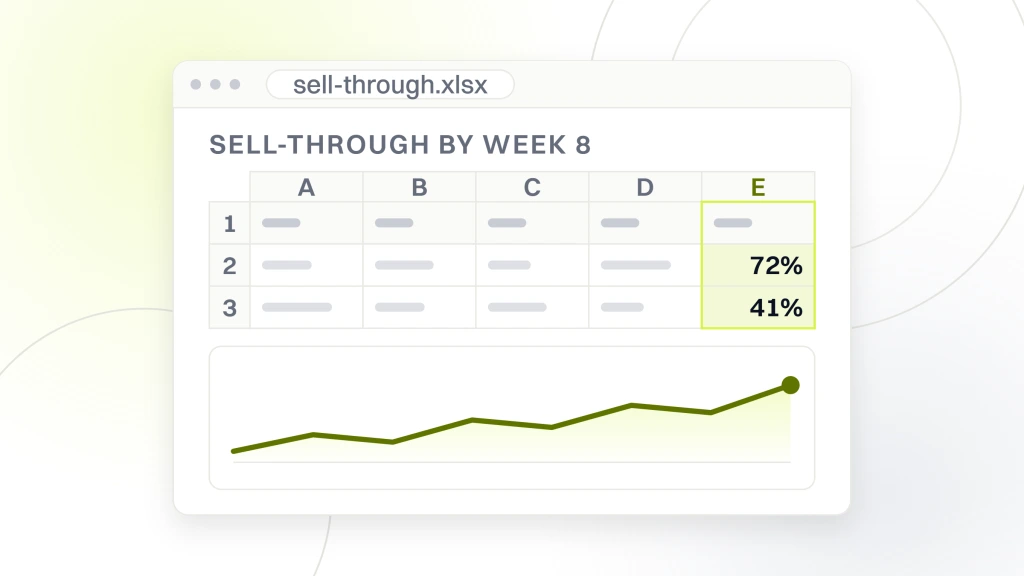
Sell-through at week 4, week 8, and week 12. Return rate. Discount depth at first markdown. Add-to-cart-to-conversion ratio for the SKU. Log every SKU across every drop in one shared Google Sheet or Airtable base. Slice the pattern by category, price band, silhouette, colorway, and fabric. The read shows up inside three drops. Cropped tees at $48 to $58 sell through at 72% by week 8. Cropped tees at $65 or above sit at 41%. That’s a $17 pricing lesson worth remembering.
What Shopify Analytics gets right and wrong
Shopify Analytics gives you SKU-level sell-through, return rate, and margin. It does not give you the story cross-slice by colorway and silhouette without exports. A brand under $5M in revenue can live in Shopify Analytics plus one exported pivot per month. Above that, most teams add a lightweight BI stack such as Looker Studio or Motion for the cross-slice work. The gain is 4 to 8 percentage points of gross margin recovered per year since the merch team stops re-buying SKUs that quietly under-sell year after year.
Budgets for fashion market research by brand stage
Research budget is a live question at every DTC apparel brand. The right number depends on brand stage, drop cadence, and how much of the work runs in-house. The table below is the range we quote to apparel clients, sourced from what our own client base spends.
Brand stage
Annual research budget
Paid tools
Interviews per quarter
Team touchpoints
Pre-launch to $1M
$3,000 to $8,000
Free Google Trends, Pinterest, one $99/mo tool
10 to 15
Founder + designer
$1M to $5M
$8,000 to $22,000
Trendalytics, one social listening tool
10 per method sprint
Founder + merch + agency
$5M to $20M
$22,000 to $70,000
WGSN or Trendalytics, Sprout, Meta Ad Library sweep
15 to 20
CMO + merch + agency
$20M to $60M
$70,000 to $180,000
WGSN, Edited, Brandwatch, quant panel
20 to 30 plus quant surveys
Research lead + team
Above $60M
$180,000 to $500,000
Full stack plus custom research contracts
Ongoing panel
Internal research function
The pattern to notice. Research spend as a percentage of revenue stays flat at 0.3% to 0.5% across every stage. The absolute number climbs since the brand grows. Brands that under-invest by half tend to plateau at the top of their current stage since they run out of new information to feed the next drop. Brands that over-invest by double don’t grow faster. They just have thicker decks. Our apparel and fashion marketing retainer plans from $1,499 per month cover the monthly research readout inside a broader 6-month execution scope for brands that want the loop run for them.
The six-week fashion market research sprint
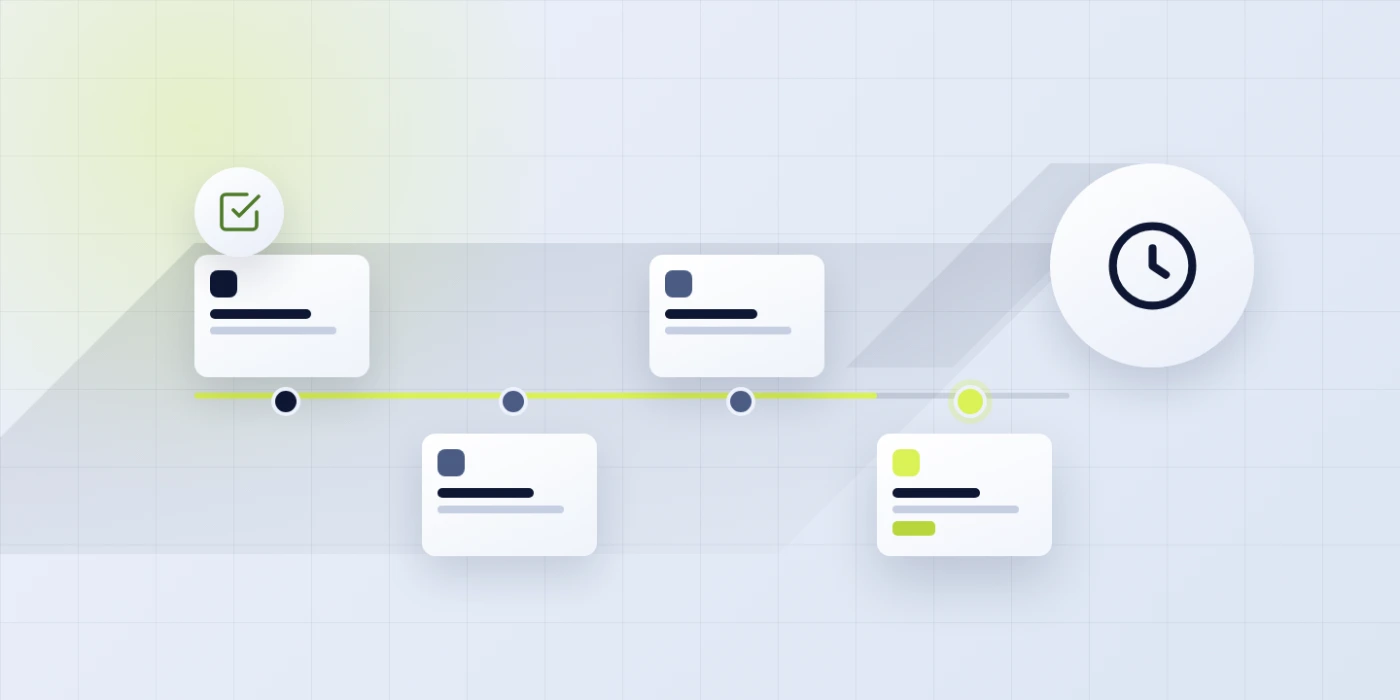
Six weeks is the sprint length that fits inside a normal drop calendar without pushing product timelines. Two weeks of desk research. Two weeks of primary research. Two weeks of synthesis and brief writing. Every sprint uses the same skeleton so the team gets faster each cycle. Tie the sprint output into the drop and seasonal campaign playbook for launch cadence.
Week-by-week breakdown
Weeks 1 and 2 cover trend forecasting and competitor teardown. Weeks 3 and 4 cover customer interviews and social listening. Weeks 5 and 6 cover sizing survey deployment and sell-through analysis, then a synthesis workshop that produces the design brief. The workshop is the anchor. Two hours, whole team, one facilitator, one deck. Every decision on the next drop gets logged with its source signal. No signal, no decision. That single rule keeps the sprint honest.
Week 1. Trend platform pull, Pinterest and Google Trends read, macro signal shortlist.
Week 2. Competitor teardown, five brands, eight-dimension rubric, deck compiled.
Week 3. Ten customer interview calls booked and completed with $50 store credit incentive.
Week 4. Social listening sweep across owned mentions, category hashtags, and competitor accounts.
Week 5. Sizing survey sent to 500 recent buyers, sell-through pull for last two drops.
Week 6. Two-hour synthesis workshop, design brief written, brief signed off by founder and head of merch.
Fashion market research tooling stack
The tooling stack matters less than the cadence, but it still matters. Wrong tools cost you a research analyst’s worth of hours per month on data wrangling. The right stack for a DTC apparel brand under $20M in revenue is short and cheap. Above that, the stack grows sensibly.
The lean stack for brands under $10M
Trendalytics or Heuritech for trend forecasting. Google Meet or Zoom with Otter for interview transcription. Later or native TikTok Creative Center for social listening. A shared Airtable base for the teardown rubric and sell-through log. Typeform for the sizing survey. Total spend runs $600 to $1,200 per month. Every apparel brand doing under $5M in revenue can live inside this stack. The Shopify Analytics documentation covers the sell-through side without adding another tool.
When to add enterprise tools
WGSN, Edited, Brandwatch, and Sprout Social earn their fees around $10M to $20M in revenue when the drop cadence hits 12 or more releases per year and the team runs three markets or more. Below that scale, the enterprise tools eat budget that would produce more research value if spent on interview incentives, sample production for concept testing, or a part-time research analyst. Software is not the bottleneck at the small end. Time and cadence are. Most brands under $10M spend the enterprise-tool line on a second round of interviews per quarter instead, and every one of them reports the tradeoff pays off inside two drop cycles.
A real fashion market research case study
Boogie Board, a DTC ecommerce brand in the sustainable-writing category, hit a common wall running Google Ads with imprecise targeting and unoptimized landing pages. Wasted spend climbed. Conversion rates lagged. Nurturing barely existed, so repeat-purchase revenue leaked out the bottom of the funnel. Every internal debate ran on opinion since nobody owned the research base. The turnaround came from disciplined research feeding the merch and paid stacks every 30 days, not from a bigger ad budget or a new agency of record.
We installed the six-method loop over one full sprint. Ten customer interviews across first-time and repeat buyers pulled from the last 30 days of orders. Competitor teardown across five direct rivals in the same category price band. Social listening across the brand’s own tagged posts and three overlapping hashtag streams. Sell-through pull by SKU across the last four drops. Trend read on adjacent creative-tool categories. A sizing-style buyer survey adapted to the product’s fit-and-use questions. The research fed a Google and LinkedIn Ads creative testing plan our team ran against a $650,000 annual paid budget.
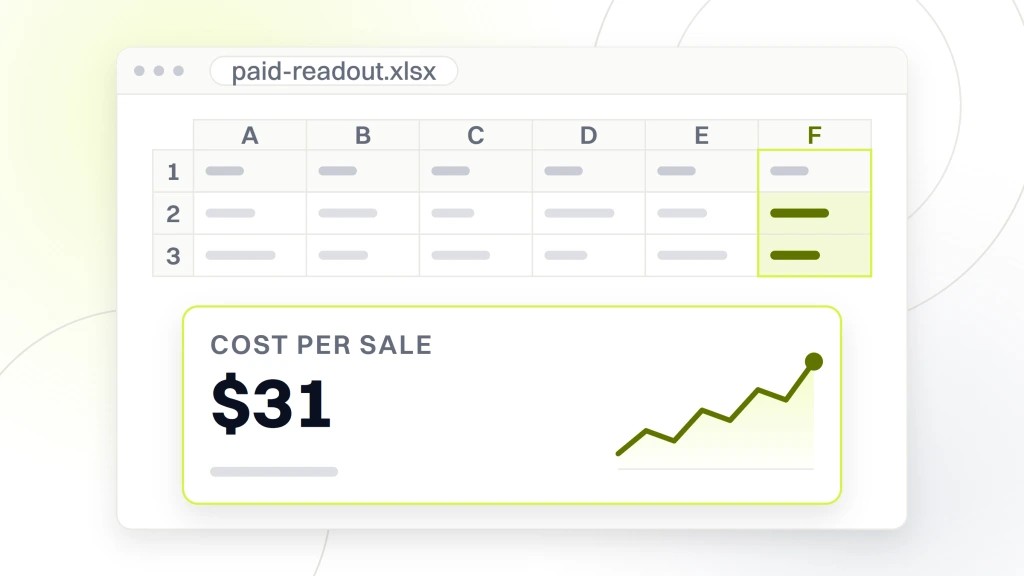
Twelve months later, Boogie Board booked an 11% conversion-rate gain from optimized landing pages and refined ad targeting, drove cost per sale down to $31, and delivered sustainable revenue growth while managing $650K in ad spend. The creative angles that produced those wins traced back to specific interview quotes and social listening threads logged in the research base. Disciplined fashion market research produces those wins when the loop stays honest. The same play works on any apparel line at $2M to $50M in revenue with the six methods above and the six-week sprint cadence.
Who owns fashion market research inside a DTC brand
Ownership is the decision most brands get wrong. Research becomes everyone’s job, which means nobody owns it. Six months later the design brief still runs on gut feeling. The fix is a single named owner with a monthly readout to the founder or CMO. Job title matters less than the standing meeting.
Pre-launch to $1M. Founder owns research and runs the interviews personally.
$1M to $5M. Head of merch or brand owns research, agency runs the teardown and social listening.
$5M to $20M. Dedicated research lead (0.5 FTE) plus agency support on trend platforms.
$20M to $60M. Research manager (1.0 FTE) plus a data analyst who runs the sell-through cube.
Above $60M. Internal research function of 3 to 5 with rotating agency panels for outside signal.
All stages. Monthly research readout, quarterly deep sprint, one owner per artifact.
Every brand that installs the named owner and the monthly readout produces sharper briefs inside two quarters. Brands that skip it revert to gut-feeling drops within six months, no matter how much they spent on tools. Ownership is the unglamorous part of the loop, and it’s the part that decides whether the research turns into decisions or into deck slides. Our primer on what fashion marketing covers end to end is a useful backdrop for the owner who has to sit across the table from the founder each month. Pick the person, book the recurring meeting, and give them the authority to say no to a drop concept when the research signal points the other way.
Put fashion market research to work this quarter
Research sits upstream of every marketing decision. Paid media creative, email content angles, SEO topic map, PDP copy, drop launch calendar. Every one of them gets sharper when a research signal points the way. Brands that treat research as a strategic input, not a reporting output, tend to grow twice as fast as brands that skip it.
Our field notes on the full-stack build we run for apparel clients cover how the research loop feeds paid, SEO, and email in one system. The McKinsey retail insights pieces are useful outside reads for framing the macro side of the market. Research alone won’t carry a drop. Research plus disciplined execution across paid, organic, and email is what turns a decent line into a compounding DTC brand over 24 to 36 months.
The retainer pattern we recommend for apparel brands under $10M in revenue is a $1,499/mo starter that covers monthly research readouts plus one paid-media test cell, then a 6-month contract that layers in interviews, teardowns, and the sell-through cube. Every apparel brand we work with runs against this cadence and produces measurable gains inside two full drop cycles. Fashion market research is the loop that keeps every other channel honest.
Frequently asked questions
Structure the deck around the six-method loop and one decision per slide. Slide 1 states the drop question. Slides 2 to 3 show trend signal from Trendalytics, Pinterest Trends, and TikTok Creative Center. Slides 4 to 6 pull direct quotes from 10 customer interviews tagged by fit, price, story, gap, and fabric. Slides 7 to 8 score five competitors on the eight-dimension rubric. Slide 9 shows sell-through by SKU across the last three drops. The final slide names three decisions on fabric, price, and colorway. Keep the deck under 12 slides so the merch team reads it in one sitting and signs off in the workshop.
Export the sprint outputs as a single PDF the whole team can search. The five documents inside are the trend brief (two pages), the interview quote log (three pages), the teardown scorecard with the eight-dimension rubric (four pages), the sell-through pivot for the last four drops (two pages), and the sizing survey summary (two pages). Total runs 12 to 14 pages, not 60. Every page ends with one decision or one flagged question for the founder. A shorter PDF gets read start to finish. A longer PDF becomes shelf decor and none of the research feeds the next brief.
A fashion market research PDF is the compiled output of one full sprint. Six inputs, one document, one owner. The PDF covers trend forecasting, customer interviews, social listening notes, competitor teardowns, sizing survey aggregate, and sell-through analytics for the last three drops. It reads left to right the way a design brief does. Not a set of raw data dumps, but a decision document that names what the next drop will be, at what price, in what fabric, and against which competitor gap. Every claim carries a source signal in the footnote so the merch team can trace the reasoning back to the interview quote or the sell-through row.
Concrete examples of fashion market research include the six methods this guide runs. Trend forecasting via WGSN plus free Pinterest Trends. Ten 30-minute customer interviews across first-time, repeat, and high-AOV buyers. Weekly social listening across owned DMs, category hashtags, and competitor accounts. Quarterly competitor teardowns scoring five brands on the eight-dimension rubric. A sizing survey sent to 500 recent buyers with a 15% incentive code. Sell-through analytics logged per SKU at week 4, week 8, and week 12. A DTC brand at $4M in revenue can run all six inside a six-week sprint for under $15,000 all-in.
Fashion marketing is important since apparel is a high-return, short-window category. Return rates run 20% to 30%. A single drop window is 6 to 10 weeks concept to on-site. Missing a trend by one quarter means marking down 60% of the inventory at week 12. Fashion market research feeding a disciplined marketing loop is the difference between 40% and 65% sell-through on the same drop. Brands that treat marketing as decoration on top of the product stall at $8M to $15M in revenue. Brands that treat marketing as the sharp end of research grow into $50M+ businesses inside 24 to 36 months. The research loop and the marketing loop are the same loop.
A DTC apparel brand under $5M in revenue can run a full fashion market research loop for $8,000 to $22,000 per year. The stack is Trendalytics at $6,000 per year, one social listening tool at $99 to $200 per month, Typeform for surveys at $50 per month, and $50 store credits paid to 40 customer interviewees per year at $2,000 total. That covers all six methods with change left over for a synthesis workshop lunch each quarter. The pattern to notice. Research spend stays at 0.3% to 0.5% of revenue at every brand stage. Under-invest by half and the brand plateaus. Over-invest by double and the decks get thicker but growth does not.
Research feeds paid media at the creative level, not the targeting level. Customer interviews produce the exact phrases buyers use to describe the product, and those phrases become ad hooks that beat generic angles by 20% to 40% on CTR. Social listening flags the emerging hooks 8 to 12 weeks ahead of competitor tests. Sell-through analytics tell the media buyer which SKUs deserve more budget and which to cut. Teardowns show which competitor creative angles the customer already ignores, so you skip those and test the underserved angles. A media buyer running against a research-fed creative brief hits target CAC 2 to 3 months faster than one running against gut-feel briefs.
Once per quarter as a full six-week sprint, and one hour every Friday for the trend read in between. That cadence maps to a normal drop calendar without pushing product timelines. The full sprint runs the six methods end to end. The Friday hour keeps trend platforms and social listening current so the next sprint starts on live signal, not stale notes. Brands that try to run the full sprint monthly burn out the team. Brands that run it once a year miss two full drop cycles of insight. Quarterly plus weekly maintenance is the rhythm every apparel brand under $50M in revenue lands on inside 12 months.
Found this useful? Share it.
TF
WRITTEN BYTim FuxCo-Founder, Redefine Web / CTO & CMO, Solar Alliance / Co-Founder, Fux Marketing
Tim Fux co-founded Redefine Web in 2023 to run websites, SEO, paid media, and marketing automation as one revenue-tied program for growth-stage brands. He is Chief Technology Officer / Chief Marketing Officer at Solar Alliance since 2025, and Co-Founder of Fux Marketing. His work focuses on Google Ads at scale across the solar, home services, and DTC verticals, with published tutorials and case studies showing 4x to 6x return on ad spend on multi-market accounts.
Co-Founder, Redefine Web (since 2023)CTO & CMO, Solar Alliance (since 2025)Co-Founder, Fux MarketingGoogle Ads specialist / paid-media strategist