Dental website conversion optimization is the practice of squeezing more calls, forms, and online bookings out of the traffic a dental site already gets. Take a dental site with 4,000 monthly visitors and 40 leads. That is a 1% conversion rate. Move that rate to 2.5% through the patterns in this guide and the same 4,000 visitors produce 100 leads. That is 60 new patient leads a month with zero extra ad spend, and it is the fastest ROI move most practices can make.
This guide walks the full checklist for lifting dental website conversions from the 1 to 2% industry average up to the 3 to 5% range that top practices hit. Every recommendation comes from live dental client work. Every pattern has been tested on real traffic. You will finish with a prioritized list of changes to increase dental website leads, ranked by expected impact, so the front-desk phone actually rings more inside 60 days.
Why dental website conversion optimization beats a full site redesign
Dental website conversion optimization beats a full redesign for one plain reason. CRO tests one change at a time and measures the result before you roll it out sitewide. A redesign changes 100 variables at once and produces one report nobody can read. CRO is engineering. Redesign is guesswork.
So if the report says conversions dropped, nobody knows which variable did it. If the report says conversions climbed, nobody knows which variable to keep. That single problem is why redesign-driven marketing decisions produce weaker results year after year than steady CRO programs run in parallel.
The economics favor CRO too. A dental redesign costs $15,000 to $60,000 and takes 3 to 6 months. A CRO program tests and rolls out 15 to 25 changes in the same window at a fraction of the cost, and every change gets measured against the last baseline. Practices that redesign every 3 years and skip CRO in between run traffic through the same bottleneck for 36 months at a stretch. Practices running CRO in parallel gain dental website conversions every quarter without waiting for the next big design project. CXL’s CRO methodology guide covers the frameworks in depth for teams building this discipline in-house.
Three CRO wins over redesign
- Measurable per-change impact instead of unattributable sitewide swings that nobody can source
- Compounding gains every quarter instead of one big-bang investment every 3 years
- Lower cost per point of gain, often 10 to 20x cheaper than a full rebuild
Every one of these compounds. A practice running CRO for 12 months typically gains 60 to 120% in conversion rate versus the starting baseline. The same practice waiting for a redesign gains 20 to 40%, once, and then coasts until the next redesign. The gap in patient volume between the two paths widens every quarter.
The dental website conversion optimization audit checklist to run first
The dental website conversion optimization audit runs through the six conversion-critical zones of a dental site. Hero, service pages, contact forms, call-to-action buttons, mobile experience, and page speed. Every audit produces a prioritized list of 10 to 20 fixes ranked by expected impact and effort. Roll out the top 5 first. Measure over 30 days. Then repeat.
Zone 1. The hero section
The hero fires in the first 3 seconds. A dental hero that fails to answer three questions costs 20 to 40% of possible conversions. What does the practice specialize in, where is the practice located, and how does a visitor take the next step. Practices with a hero that answers all three at a glance convert 30 to 60% higher than practices with a generic welcome hero. Fix this zone before you touch anything else.
Zone 2. The sticky mobile call button
Mobile traffic is 65 to 75% of dental site sessions. A dental site without a sticky call button pinned to the bottom of the mobile viewport is leaving 40 to 60% of possible calls on the table. The pattern is a full-width button, always visible, wired to a tel link that fires the dial screen in one click. Every dental site needs this. Practices that skip it optimize the whole funnel and leave the single biggest fix ignored on mobile. The dental ppc landing pages guide covers sticky-button placement rules in detail.
Zone 3. Forms, buttons, and speed
Four-field forms outperform 8-field forms by 20 to 40% on almost every dental site we test. Name, phone, email, reason for visit. That is enough. Every field past four costs conversion. Buttons should say what happens next in plain words, not clever words. Book my visit beats Get started. And LCP under 2.5 seconds is not optional. A dental site that loads in 5 seconds converts 30 to 50% lower than the same site loading in 2.5 seconds. Speed is a conversion lever, not a technical footnote.
Call tracking and attribution inside a dental website conversion optimization program
Call tracking and attribution inside a dental website conversion optimization program is the measurement layer that tells you which changes actually produced booked patients. Without it, every CRO change is a guess. With it, every change gets tied to the traffic source, the page variant, and the front-desk disposition. That data drives every future test.
The tracking stack every dental CRO program needs
CallRail (or WhatConverts, or CallTrackingMetrics) with dynamic number insertion serves a tracked number to every source-attributed visitor. GA4 with proper event tracking captures form submissions and phone-call events. A CRM (Weave, Zenoti, HubSpot) closes the loop with front-desk disposition tagging. Every reputable dental practice running CRO has this stack in place before the first A/B test launches. Practices testing without it produce results they cannot read and cannot repeat. The call tracking for dentists guide walks through the platform setup and the DNI patterns that keep NAP consistency clean.
Closing the loop with booked-patient signal
The front desk tags every inbound call with a disposition. New Patient Booked, Qualified No-Book, Unqualified, Spam, Duplicate. The tag flows back to the call-tracking platform and into GA4 as an offline conversion event. Now the CRO program can measure changes against booked patients, not just raw form fills. That is the difference between a program that gains vanity metrics and a program that increases dental website leads that turn into actual patients on the schedule.
Testing methodology for dental website conversion optimization
Testing methodology for dental website conversion optimization needs three things. Enough traffic to hit statistical significance, one variable per test, and a hypothesis written before the test starts. Practices that skip any of these produce test results they cannot trust. The single largest CRO failure mode is running underpowered tests, calling winners at day 3, and rolling out changes based on noise.
Sample size math
A dental site with 4,000 monthly visitors and a 1.5% baseline conversion rate needs roughly 20,000 visitors per variant to detect a 20% gain with 95% statistical confidence. That is 40,000 total across an A/B, which the average dental site takes 5 to 10 months to accumulate. So most single-office dental practices are not good CRO test candidates. Groups running 10-plus offices sharing the same template can pool traffic and finish tests in 4 to 8 weeks. Smile Design Dentistry’s 50-plus office network completes tests in 2 to 3 weeks thanks to their scale.
When to skip A/B and just roll it out
Single-office practices without the traffic to test properly should not run A/B tests. Instead, roll out best-practice patterns from this guide and measure the before-and-after delta over 60 to 90 days on the same traffic mix. The 4-field form, sticky call button, WebP hero images, and trust signals are proven CRO wins across the industry. Applying them without formal testing still produces measurable gains inside 60 days for practices at any traffic level. Save the A/B overhead for multi-location groups where the traffic math actually works.
CRO priority table for the changes that move dental website conversions fastest
Not every CRO change moves the needle equally. The priority table below ranks the 10 highest-return changes by expected conversion gain, effort required, and time to see results. Roll out the top 5 first. Measure over 30 to 60 days. Then work the next 5. This ordering comes from live client work across dozens of dental sites.
The 10-change priority table
| Change | Expected gain | Effort | Time to result |
|---|---|---|---|
| Sticky mobile call button | 15-30% | Low (2 hours) | 7 days |
| 4-field form template | 20-40% | Low (4 hours) | 14 days |
| Invisible bot protection instead of v2 CAPTCHA | 10-15% | Low (2 hours) | 7 days |
| Real team photos replacing stock | 10-20% | Medium (photoshoot) | 30 days |
| Star rating and review count in hero | 10-25% | Low (2 hours) | 14 days |
| Hero WebP conversion and LCP under 2.5s | 15-25% | Medium (dev work) | 14 days |
| Provider bios with credentials | 5-15% | Medium (copywriting) | 30 days |
| Insurance carrier logos prominent | 5-15% | Low (1 hour) | 14 days |
| Before-and-after photos on service pages | 10-25% | Medium (consent + design) | 45 days |
| Online booking integration (NexHealth, LocalMed) | 20-40% | High (integration) | 60 days |
Roll out the top 3 (sticky call button, 4-field form, invisible bot protection) in the first week. Those three alone typically produce a 30 to 60% conversion gain on the same traffic. Then work the middle tier over the next 4 to 6 weeks. Finish with online booking integration for the biggest single conversion gain a dental site can add. This ordering makes the biggest wins arrive fastest, so leadership sees results early and funds the deeper work. Practices reversing the order (starting with online booking or a photoshoot) still get gains, but the wins arrive slowly and the CRO program looks weak in the first review meeting.
How dental website conversion optimization moved Smile Design Dentistry’s cost per call
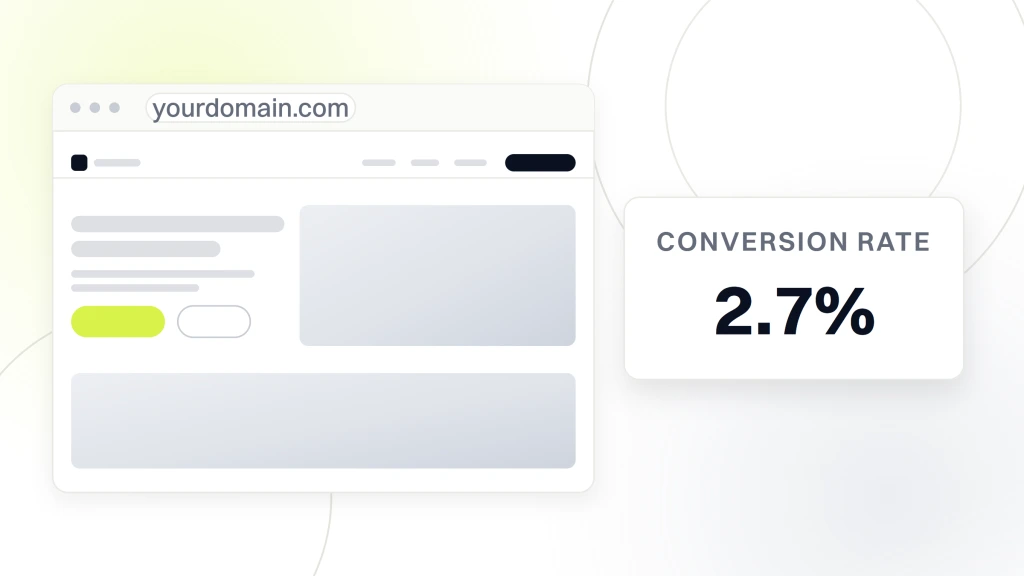
Dental website conversion optimization cut Smile Design Dentistry’s cost per call 30% on a 12-month curve by rolling the priority table above across the network. Every office started with a shared template and a conversion rate ranging from 0.8 to 3.1%. The program pushed the group average from 1.4 to 2.7% inside 90 days. That is a direct dental match from our client roster, not a borrowed number from another vertical.
The rebuild in 90 days
- Week 1-2. Audit every office’s site variant. Catalog conversion rate baseline. Note the top 5 fixes per office.
- Week 3-4. Roll out sticky mobile call button, 4-field form, and invisible bot protection group-wide.
- Week 5-8. Photo refresh at every office. Provider bios rewritten. Hero swap to WebP.
- Week 9-12. Online booking integration through NexHealth. Star rating pulled into hero. Insurance logos updated.
Results at 90 days. PPC conversion rate up 20%. Cost per call down 30%. Group-wide website conversion rate up from 1.4 to 2.7%. Every one of these gains came from the priority table above applied consistently across offices. Smile Design Dentistry, the 50-plus location DSO on our roster, ran this exact playbook and now uses it as the template every new office adopts on day one. The rebuild produced compounding downstream effects a single-office CRO program rarely captures. Ad spend efficiency climbed since every new office arrived with a converting site instead of a work-in-progress. SEO traffic converted at the same rate as PPC traffic inside 60 days of onboarding. The group’s overall cost per booked patient dropped by roughly a third.
Running dental website conversion optimization as a monthly retainer
The initial CRO rebuild takes 40 to 100 hours depending on practice size. Ongoing maintenance runs 8 to 20 hours per office per month across audits, form tests, speed monitoring, and quarterly priority reviews. Single-office practices with a marketing lead can run it in-house after the rebuild. Groups with 10 or more offices almost always outsource, and the reason is simple. CRO across many sites needs specialized skills most in-house teams do not have on staff.
What monthly CRO maintenance covers
Monthly conversion rate audit per office. Quarterly speed re-baseline with fixes. Ongoing form testing (one variable at a time on the offices with the traffic to support it). Trust-signal refresh (star rating, insurance logos, team photos when updated). Annual redesign audit to decide when a full refresh becomes worth the investment. That is the maintenance program a Redefine Web dental marketing retainer covers from $1,499 per month. The dental marketing hub and the dental website marketing guide walk through how CRO pairs with the rest of the stack.
Why the retainer earns its line item
Practices measuring return on the CRO line item consistently rank dental website conversion optimization work as one of the highest-return items in the retainer bundle. The math is direct. A 30% gain on a site producing 40 leads a month adds 12 leads a month at zero traffic cost. At $300 per patient average value, that is $3,600 a month in extra closed revenue against a retainer line item that costs a fraction of that. That is why CRO earns its keep even at the smallest single-office scale.
Turn dental website conversion optimization into a quarterly habit
You do not need every trick in this guide to see gains. You need the sticky mobile call button, the 4-field form, invisible bot protection, real team photos, and the star rating pulled into the hero. Those five changes together take most dental sites from 1 to 1.5% baseline up to 2.5 to 3% inside 60 days. Add the online booking integration and the speed fixes and you are running a dental site converting at 3 to 5%, well ahead of the industry benchmark.
Where CRO pairs with the rest of your dental stack
Dental website conversion optimization compounds with everything upstream and downstream. Cleaner conversion tracking makes SEO reports honest. Better booked-patient signal makes the retention program measurable. Higher-quality traffic makes CRO tests conclusive faster. Pair this work with the dental ppc landing pages guide, the dental website optimization hub, and the call tracking for dentists guide. That combination is the quiet advantage most competitors will not build.