Video ads for dental services either bring you a steady flow of booked hygiene visits and cosmetic consults, or they earn silent views nobody remembers by Wednesday. The gap is not production budget. It is not the camera. It is the script, the first two seconds, and whether the video answers a question the viewer already had. Most dental video ads fail so hard they read like a brochure. Nobody watches a brochure.
This guide walks through the format the way we run it for real practices. Hook formulas that survive the vertical feed, three script structures we reuse across every account, shot lists you can execute on an iPhone in 20 minutes, HIPAA and photo consent rules, an iSmile Dental Spa case study that grew patient volume 900 percent over the engagement window, and a monthly production rhythm you can hand to a hygienist. No stock footage. No marketing chatter. What works, what does not, and why.
Why video ads for dental services outperform static creative
Video creative out-books static image ads on Meta and Google in most dental accounts we run, with cost per booked patient falling 20 to 40 percent inside the first 60 days. The reason is trust. A patient choosing a dentist is buying a face, a voice, and a room. Static creative cannot show any of that. Video does it in 9 seconds.
Think about how a nervous new patient picks a dentist. They open Instagram, see three practices in their neighborhood, and pick the one where the dentist looked calm on camera. Not the one with the fanciest logo. Not the one with the biggest ad budget. The one that felt human. Video is the only format that carries that signal at the speed a feed scrolls.
The 3-second hook rule
The first 3 seconds of any dental ads video decide whether the algorithm keeps serving it. Start with a question the viewer already had (“Scared of the dentist?”), a visual pattern break (a hygienist smiling directly into the lens), or a price anchor (“$99 whitening this month”). Save the practice name and logo animation for the end. Nobody scrolls past a face to watch a logo animation.
The script formulas that repeat
Three script structures cover roughly 80 percent of the dental marketing videos we run for paid ads. The problem-agitate-solve script for hygiene reactivation. The transformation-timeline script for cosmetic and Invisalign. The team-warmth script for new-patient acquisition. Pick one structure per video, write it in 60 words or less, and time the delivery to 15 seconds. If your dentist takes 25 seconds to read it aloud, cut the script by 40 percent and reshoot. Speed of delivery matters more than production polish.
Shot lists you can execute in one morning
Shot lists prevent the biggest cost overrun in dental video production, which is reshoots. Walk into the operatory with a written shot list, capture every angle you need in one 90-minute block, and you never re-set the lighting for a follow-up shoot. Practices that improvise the shoot end up with 40 percent unusable footage and 3 extra Tuesdays lost.
Every dental video ad breaks down into 5 to 8 shots. Face-on-camera intro. Operatory establishing shot. Close-up of the procedure. Front-desk warmth shot. Team wave or group shot. Outro with the CTA. Capture each shot in 3 to 5 takes so the editor has options. The full shoot fits in a 90-minute window on a slow day. Batch 6 videos worth of shots in one morning and you have 6 weeks of content in the can.
The batch shoot rhythm
Block a slow Tuesday morning every 6 to 8 weeks. Set up the ring light in one operatory once. Rotate through the shot list for 6 ads in one session. Every dentist and hygienist knows they will be on camera for 8 to 12 minutes each. Everyone knows their line. Total staff time is 90 minutes across 6 people. Total output is 6 videos ready for the next quarter. This rhythm separates practices that publish regularly from practices that shoot once and disappear.
Common shot list mistakes
Three shot list mistakes ruin more dental video shoots than any camera problem. Filming without a tripod (shaky footage kills the algorithm). Filming with the overhead operatory light on (harsh shadows on the face). Filming with a patient in the chair (HIPAA violation unless a signed consent covers this exact shot). Fix all three before the shoot starts. Use natural window light plus the ring light, tripod every shot, and no patients on camera without a signed release for that specific footage.
Dental video marketing compliance rules that keep you safe
Dental video runs under state board rules, HIPAA, Meta’s ad policy, and the ADA advertising guidelines. Break any of them and the consequences range from an ad rejection (annoying) to a licensing complaint (career-ending). The rules are not complicated. Most agencies do not read them, then blame the platform when the ad gets flagged.
Three compliance zones matter for dental video. Patient face and mouth footage requires written consent for marketing use, not the standard treatment consent. Health claims (whiter teeth in one visit, straighter smile in 6 months) require a results-may-vary qualifier or Meta rejects the ad. Testimonials must be genuine and cannot promise specific outcomes. See the ADA guidance on dental advertising for professional-conduct rules that apply to dental video.
Patient consent for dental ads video
Every patient whose face, mouth, teeth, or voice appears in a marketing video needs a signed video release. The release must cover open digital and print use for marketing purposes, and it must be for that specific footage. A general treatment consent does not cover marketing use. Keep the release on file for the life of the ad plus 7 years. Skip this and one patient lawsuit costs you more than 5 years of ad spend. See our dental photo consent for marketing writeup for the release template.
The HIPAA line for dental marketing videos
Any video that shows a patient’s face, name, or identifying detail requires HIPAA-level protection of that footage. Store the raw footage on encrypted drives. Do not share unedited files over unsecured email. Do not post BTS content that shows patient names on charts. Do not fire a Meta pixel event that names the treatment a specific patient booked after watching. Any of those creates HIPAA exposure that no marketing win covers. See our dental marketing for dentists hub for the full compliance framing.
Case study. iSmile Dental Spa 900 percent patient growth on video
iSmile Dental Spa, a premium practice in Carmichael, CA offering sedation dentistry, periodontal care, and general dentistry, came to Redefine Web with a strong offline reputation and a digital presence that lagged badly behind it. Their old site was insecure and slow. No video content anywhere. Local visibility was thin. They averaged 1 to 2 new patients per month from digital across their entire online footprint. Every marketing channel needed a rebuild.
We rebuilt the website on HTTPS with mobile-first design and produced a professional patient-trust video campaign that ran across Google Ads, Google Business Profile, and Meta. Video became the anchor asset. Every ad had a video variant. Every service page had a video embed. Every GBP post included a short video clip. Across the multi-year engagement window, iSmile ranked 75 keywords on page one within 6 months, grew organic traffic 800 percent, achieved 900 percent patient growth (from 1-2 monthly to 12-14), and returned 500 percent ROI on marketing spend. Video did the heavy work on trust conversion.
The video move that mattered most at iSmile Dental Spa
Producing a professional patient-trust video series and integrating it across the site, GBP, and paid ads was the single change that moved conversion the most at iSmile Dental Spa. Before the video series, patients landed on the practice website and could not gauge whether they trusted the dentist. After the video series, patients saw the dentist speaking about sedation dentistry, watched a real hygiene visit, and heard the practice philosophy in the dentist’s own voice. Booking rate on service pages doubled inside 90 days.
What to steal from the iSmile build
Steal the video-per-service-page rule. Every high-value service (sedation, periodontal, veneers, implants) gets a 60 to 90 second embedded video of the dentist explaining the treatment. Steal the GBP video posts. Weekly short videos posted to Google Business Profile move Map Pack ranking and pull calls. Steal the video-first paid ad discipline. Every ad in the account had a video variant that out-booked the static version. See our dental video content writeup for the organic-plus-paid rhythm.
Angle options for every dental service line
Angle options for a dental ads video differ by treatment type. Hygiene wants comfort and trust angles. Emergency wants speed and pain-relief angles. Cosmetic wants transformation and confidence angles. Invisalign wants convenience and social angles. Implants wants durability and life-quality angles. Matching the angle to the service is more important than production value. A perfect production on the wrong angle underperforms a mediocre production on the right one.
Here are the angles we run repeatedly for each service line. Start with two angles per service, test them against each other for 30 days, and let the winner become the default while the loser gets retired. Every 90 days, refresh the winner with new footage in the same angle. This discipline compounds because the angle stays validated while the imagery stays fresh. Meta rewards the second and punishes the first. Do both.
Hygiene and preventive angles for dental marketing videos
Comfort angle. A hygienist explaining how the appointment feels. Trust angle. The same hygienist naming her years in practice and what she loves about the job. Family angle. Parents and kids in the operatory smiling, aimed at family scheduling decisions. Reactivation angle. It has been a while since your last cleaning, aimed at inactive patients who left over 12 months ago. Hygiene angles never sell the treatment. They sell the person behind the treatment.
Cosmetic and Invisalign angles
Transformation angle. Before-and-after with a named timeline. Confidence angle. Patient testimonial about feeling comfortable smiling again. Convenience angle. No braces, virtual check-ins, one 6-month treatment. Social-proof angle. A montage of clear-aligner before-and-afters with treatment durations overlaid. Cosmetic angles convert best when the outcome is quantified. Straighter teeth in 6 months beats a nicer smile. Specific numbers do the work of a hundred adjectives. See our converting dental PPC ads writeup for creative angles that translate across paid channels.
Measuring dental video ad performance honestly
Paid video for a dental practice needs reporting on 3 metrics. Cost per booked patient, engaged watch time percentage, and repeat-view rate. Every practice we work with gets these 3 numbers on the monthly dashboard. Anything below that reporting level is optimization by hunch, which is why most dental video campaigns underperform for years without anyone knowing why.
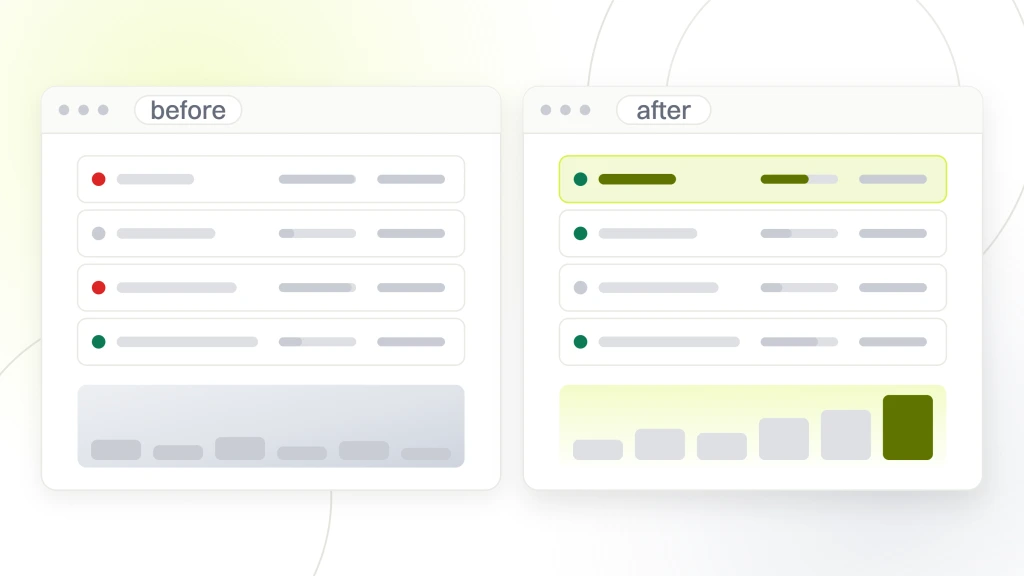
Cost per booked patient is the north star. Engaged watch time percentage tells you whether the video is holding attention. Repeat-view rate tells you whether the same viewer came back to the ad multiple times, a strong signal for a bigger case (Invisalign, veneers) where the buyer is researching. Combine all 3 and you can rank your video creative by expected downstream revenue, a different ranking than clicks or leads alone.
The engaged watch time rule
Anything under 40 percent engaged watch time means the hook is not working. Fix the first 3 seconds. Anything over 65 percent means the hook is landing well and the algorithm is rewarding you with cheaper impressions. Refresh the imagery within 30 days but keep the hook shape. Anything between 40 and 65 percent is average and probably fine, but not a winner you should scale into a second budget line.
Tying video views to booked patients
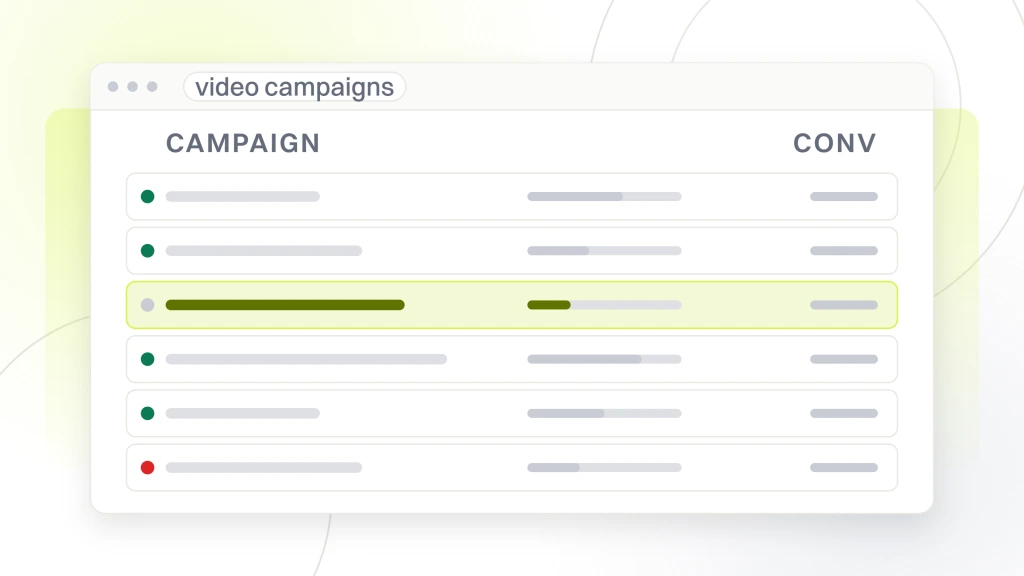
Route every ad click through UTM tracking. Route every phone call through CallRail with source attribution. Map the CallRail source back to the specific ad and video creative. Every month, compare booked patients by video creative. The video with the best cost-per-booked-patient becomes the anchor asset for the next 90 days. Videos that produced views but no bookings get retired even if the platform metrics looked good. See our dental marketing ROI writeup for the attribution math.
Common dental video ads mistakes to avoid
Common dental video ad mistakes are predictable. Running horizontal 16:9 footage inside vertical Reels placement. Adding music library tracks that violate copyright and get the ad flagged. Talking about the practice for 20 seconds before naming the offer. Using the same video for 6 months without refresh. Every one of these mistakes is fixable in an afternoon.
The second tier of mistakes. Shooting without a lavalier microphone (built-in phone audio is unusable), talking too fast in the hook (viewers cannot process it), overlaying too much text on the screen (text competes with the face), and forgetting captions (85 percent of viewers watch with sound off). Fix these 5 and your existing production produces meaningfully more booked calls without additional shoot time.
The captions rule
Every video ad must have burned-in captions. Not auto-generated captions that turn on when the viewer enables them. Actual captions rendered into the video file. 85 percent of Instagram and TikTok viewers watch with sound off. If they cannot follow your ad without audio, they scroll past. CapCut has a one-click auto-caption feature that gets you 95 percent of the way there. Manually fix medical terms the AI misreads.
Music copyright risk
Never use popular music tracks in dental video ads. Meta and TikTok both scan for copyrighted audio and flag ads that violate. Some platforms remove the audio entirely, which turns your ad into a silent video. Use platform-provided royalty-free music libraries only. Epidemic Sound and Artlist are safe paid options at $15 to $20 per month. Do not risk it with viral trending audio unless the platform explicitly licensed it for ad use.
Rolling dental video marketing into your monthly plan
Paid video works as one channel inside a broader monthly rhythm. Not standalone. Video amplifies SEO, Google Ads, email, and reputation because it produces the trust asset every other channel benefits from. When your Invisalign SEO ranks, your Invisalign video ad amplifies the same message. When your email list gets a whitening offer, your video ad carries the offer to non-openers. Integrated video work returns 40 to 60 percent better than siloed shooting.
The monthly rhythm looks like this. Week one, script next month’s 3 videos against the offer calendar. Week two, batch shoot all 3 in one morning. Week three, edit, add captions, upload. Week four, launch as paid ads and repurpose to GBP, email, and website. That cadence keeps video from becoming the thing that gets forgotten every quarter. See our dental marketing automation writeup for the tooling that keeps this rhythm consistent, our dental email marketing writeup for the email side, and Think with Google video marketing research for baseline consumer benchmarks. For deeper compliance detail, see the HHS HIPAA professional resources.
Make video ads for dental services book real patients
The bottom line on paid dental video is simple. Batch shoot on a slow morning. Write the hook for the first 3 seconds. Add burned-in captions. Sign the video releases. Track cost per booked patient every month. Kill the losers. Refresh the winners every 90 days. Do this and video moves from a line item on the marketing budget to the single asset every other channel depends on. Redefine Web runs this playbook for dental practices across the country. If you want a monthly video rhythm, ad management, and reporting that ties creative to booked patients, our PPC retainers start at $999 and scale to $1,499, $2,499, and from $4,500 per month.