WebAR in beverage industry marketing turns a printed bottle label, a can wrap, or a shelf talker into a browser-loaded augmented reality moment, no native app download between the shopper and the payoff. The tech has cleared the gimmick stage over the last three years and now runs in live campaigns from small craft breweries to global beverage brands running national activations. Every beverage founder scoping a packaging refresh or a national LTO in 2026 has WebAR on the shortlist of engagement tactics worth pricing out on the media plan.
This guide walks the real use cases WebAR in beverage industry campaigns cover today, the platforms brands run on, the production cost ranges by campaign complexity, and the measurement stack that ties WebAR scans back to real DTC or retailer sales. It names how Redefine Web scopes a WebAR campaign when a beverage brand walks in with a packaging refresh in play and a national LTO on the calendar.
Use cases for WebAR in beverage industry campaigns
Five patterns cover almost every WebAR in beverage industry campaign brands run into production this year. Each one serves a different marketing objective and a different point in the buyer’s day, so pick the pattern first and the platform second.
Label activation turns the front-of-pack graphic into a 3D scene the shopper sees layered on the bottle inside the phone camera view. Cocktail recipe activations drop a step-by-step video onto the bottle in the shopper’s kitchen for a Friday-night cocktail hour. Sustainability story activations walk the shopper through the sourcing journey with a 3D map on the countertop. Contest entry activations gate a sweepstakes behind a scan plus a five-field form fill. Retail shelf activations trigger on a category shelf talker and show a curated flight or a food pairing for the brand’s SKUs.
Redefine Web scopes WebAR in beverage industry campaigns to match the marketing objective on the brief, not the tech showcase. A brand shipping a sustainability story needs a different WebAR in beverage industry pattern than a brand running a sweepstakes contest during a Super Bowl LTO. Read the food and beverage marketing hub for the parent scope on how WebAR fits inside a broader beverage marketing retainer.
Platforms for WebAR in beverage industry work
Platforms split into three tiers based on cost, agility, and campaign complexity. Tier one covers self-serve tools like 8th Wall, Zappar, and Blippar that let a small team launch a WebAR experience inside two to four weeks on a modest budget. Tier two covers full-service creative shops that pair a platform license with in-house 3D artists and Unity engineers on a single-campaign scope. Tier three covers custom-built WebAR on Three.js or A-Frame for brands that need pixel-level control on every element of the payoff.
Tier one platforms carry 80% of the WebAR beverage campaigns in production this year. Monthly subscriptions run $200 to $5,000 depending on the campaign scale, plus a per-view fee past a threshold. Content authoring runs through a browser editor a marketing team can operate without a full-time engineer. The trade-off is a platform ceiling on custom interactions and a shared 3D library across every brand on the platform. Beverage brands shipping seasonal campaigns without unique interaction needs land on tier one every time.
Tier two shops fold creative direction, 3D art, and platform integration into one scope on the campaign brief. Cost runs $25,000 to $150,000 per campaign based on 3D asset complexity and campaign duration. Brands running national activations or Super Bowl campaigns land on tier two since the creative team can execute a novel interaction the tier one platforms can’t handle. Read the 8th Wall blog for the current state of WebAR platforms across the vertical.
If a WebAR scope doesn’t name one target number (redemption rate or shelf sales gain), it’s a PR stunt, not a campaign. Define the KPI first.
Label activation as the core WebAR pattern
Label activation is the WebAR in beverage industry pattern most brands run first, since the label is the surface the shopper already looks at before the buy decision on the shelf. The pattern uses image tracking on the label graphic to trigger a 3D scene the shopper sees layered onto the physical bottle inside the phone camera. That scene can play a video, run an animated character, or drop a virtual cocktail glass next to the bottle for a pairing suggestion.
Image tracking works reliably on labels with a distinctive graphic set the WebAR platform can identify from any angle. Simple labels with too much white space or minimalist typography struggle to trigger in-store, since the platform needs enough contrast points to lock the tracking. Beverage brands designing new labels with WebAR in beverage industry work in mind should include distinctive graphic anchors the platform can lock onto even in poor store lighting. That design and tracking test has to happen before the printing plates go to the label supplier for the production run.
Payoff design on the label activation carries the campaign message. Educational payoffs walk the shopper through sourcing, brewing, or fermentation. Entertainment payoffs run a 15 to 30 second animation, a cocktail recipe, or a brand character interaction. Sales payoffs push straight to a DTC subscription page or a store locator with the nearest retailer stocking the SKU. The payoff choice has to match the marketing objective the brand set on the brief before the WebAR platform selection or the 3D asset scoping starts.
Measurement stack for WebAR in beverage industry campaigns
The measurement stack for WebAR in beverage industry campaigns blends platform analytics with paid media reports and DTC or retailer sales on the same weekly dashboard. Any campaign that reports scan count alone without tying scans to a DTC session, an email capture, or a store locator click is reporting a vanity number the CFO will torch on the quarterly review.
The WebAR platform side reports scan count, session duration, drop-off point on the interaction, and CTA click rate on the payoff screen. Paid media reports come from Meta and TikTok on the paid social channel driving traffic to the WebAR landing page. DTC sales pull from Shopify or WooCommerce on the brand catalog with UTM parameters tying the checkout back to the scan session. Retailer data pulls from Nielsen or IRI syndicated feeds on the retail chains the campaign ran into. The blend answers the real question, incremental sales attributable to the WebAR experience versus the control cell.
The blend catches the halo effect on the paid social creative that features the WebAR scan. Ads showing the scan payoff typically outperform ads showing a flat product shot by 20 to 40% on click-through rate. The halo has to get credit inside the attribution model, or the media team will underspend on the very ads driving the whole engagement loop. Any measurement setup that treats the paid social ad and the WebAR scan as separate line items misses the joint story the campaign actually tells the buyer. See the food and beverage PPC page for the paid channel scope that pairs with the WebAR campaign.
Design the label with WebAR tracking in mind and production drops 20 to 40%. Retrofitting an existing label always costs more platform tuning.
How Vejrø Resort maps to a beverage WebAR campaign
Vejrø Resort is a Danish private-island resort with a farm-to-table restaurant and strong social engagement that never translated into direct bookings before the site rebuild. The engagement pattern maps cleanly to a beverage WebAR campaign since the shape carried the same social-to-conversion problem the WebAR pattern solves on the beverage side.
Vejrø Resort hit 2.2% booking conversion inside a 3-month engagement covering a conversion-focused website, a direct booking system, on-site and off-site SEO, and a competitor teardown on the same sprint. Every play on that engagement transfers to a beverage brand in a useful way. A social-first brand needs a conversion path that closes engagement into a sale. WebAR is the conversion path that carries the shopper from a scan into a DTC subscription or an email capture feeding the Klaviyo flow across quarters.
The transfer point for a beverage brand is the engagement-to-conversion pairing on the funnel. Vejrø Resort had strong social engagement and no way to close it into a booking. A beverage brand running WebAR on the label has an engagement moment the shopper is already deep inside. The payoff has to carry the conversion action out loud. Every WebAR pattern has to point at a DTC subscription CTA, an email capture, or a store locator click on the payoff screen. Skip the conversion step and WebAR turns into an engagement tactic without a business result the retainer can defend at the quarterly review.
Boogie Board and the DTC checkout path for WebAR payoffs
Boogie Board is a direct-to-consumer ecommerce brand that hit a $31 cost per sale on the annual paid media curve after a full DTC funnel rebuild. The number isn’t from a beverage brand, but the pattern is the exact one a beverage WebAR campaign needs to nail. A scan is engagement. A checkout is revenue. The gap between those two events is where WebAR campaigns win or die.
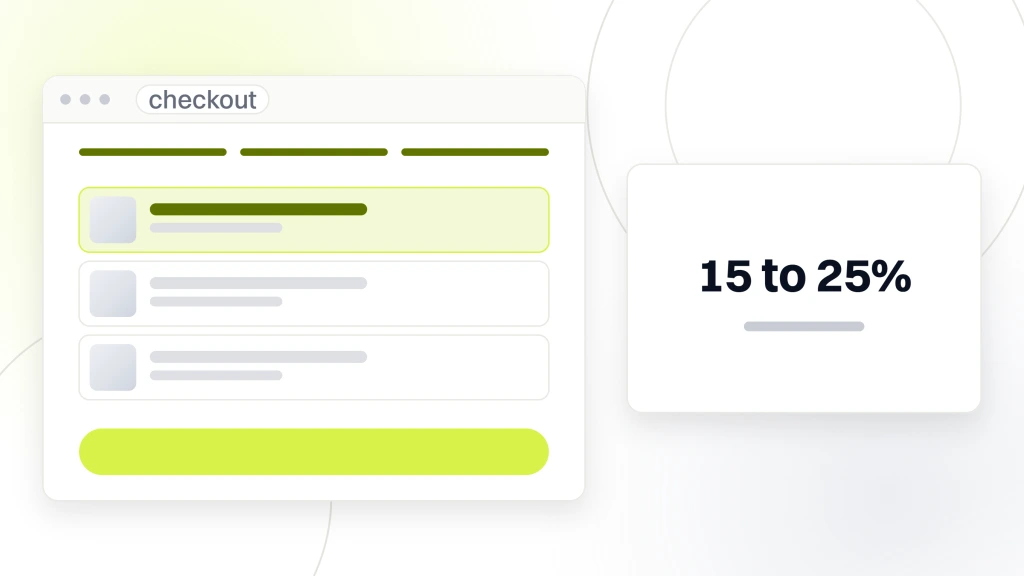
The Boogie Board setup ties paid social ads to a fast product detail page, a single-page checkout, and a post-purchase upsell flow that carries the average order value up 15 to 25%. Port that same shape to a beverage WebAR payoff and the scan sequence looks like this. Scan lands the shopper on the WebAR payoff screen. Payoff CTA pushes to a Shopify product detail page with the scanned SKU pre-selected. Checkout runs single-page with Apple Pay and Shop Pay wallets. Post-purchase upsell offers a subscription discount or a bundle add-on. Every step is measurable and every step is fixable if the number stalls.
Real ecommerce data shows the same story. One retail brand rebuild pulled +179% ecommerce revenue on a 12-month post-launch curve after the site and paid media were re-shaped around the checkout path. Another site relaunch hit a +28% conversion rate on the post-launch curve. Those numbers set the bar for what a WebAR-driven DTC funnel should target once the scan-to-checkout path is clean.
Comparison of WebAR platform tiers
The table below compares the three common WebAR platform tiers a beverage brand picks on the campaign brief. The fit column names the campaign scale the tier actually works for. The gap column names the workstream the tier typically drops from the delivery. Use the table as a filter on the platform decision before the creative brief lands on the 3D artist’s queue.
| Tier | Best fit campaign scale | Typical scope | Common gap | Cost range per campaign |
|---|---|---|---|---|
| Self-serve platform | Regional or seasonal LTO | Browser editor, template 3D | Custom interactions | $3K to $25K |
| Full-service creative shop | National LTO or brand launch | Custom 3D, platform license | Long tail post launch | $25K to $150K |
| Custom Three.js build | Flagship annual campaign | Pixel-level control | Speed, cost, maintenance | $75K to $400K |
| Hybrid platform plus retainer | Multi-campaign brand system | Reusable brand toolkit | Upfront investment | $50K to $200K plus retainer |
| Enterprise WebAR ecosystem | Global multi-brand portfolio | Full ecosystem, multi-region | Agility, cost, speed | $500K plus annually |
Two mistakes beverage brands make on the platform pick. First, picking the custom Three.js build for a single regional LTO since the tech looked slick on a demo reel. The build cost eats the LTO budget and the finished WebAR in beverage industry experience never sees the audience the campaign needed. Second, choosing the self-serve tier for a national brand launch and getting stuck with the template 3D that every other brand on the platform is running. The result feels generic and the campaign never breaks through the paid social feed on launch week.
The right tier for most 5M to 50M beverage brands running a national campaign is the full-service creative shop. That scope covers custom 3D, platform integration, measurement instrumentation, and campaign launch support on one delivery. See the food and beverage marketing retainer page for the fixed-fee ongoing scope Redefine Web runs alongside WebAR campaigns on beverage accounts.
Production timeline and cost drivers
Production timeline for a WebAR in beverage industry campaign runs 6 to 12 weeks from brief to live scan-ready experience on the label. That timeline breaks into three phases. Concept and creative direction takes 1 to 2 weeks. 3D asset production takes 3 to 6 weeks based on the complexity of the payoff scene. Platform integration and QA takes 2 to 3 weeks, with parallel work on the paid media landing page and the measurement instrumentation.
Cost drivers on a WebAR campaign break into five buckets on the invoice. Platform license fees run $200 to $5,000 per month based on view volume. 3D asset production runs $5,000 to $60,000 based on character rigging, animation complexity, and scene detail on the payoff. Integration and QA runs $8,000 to $25,000 on a tier two build. Creative direction runs $5,000 to $20,000 on the concept and brief work. Measurement instrumentation runs $3,000 to $10,000 on the analytics pipeline setup for the campaign.
Every campaign should carry a 15 to 20% contingency reserve for scope changes during production. WebAR campaigns tend to reveal creative refinements during QA that were not obvious on the storyboard, and the reserve keeps the campaign from missing the LTO launch date. Brands that hide the reserve as a separate line stay on schedule. Brands that spend the full budget on the initial scope hit QA with no room for refinements and either launch late or launch a compromised campaign against the original brief.
Paid media strategy for WebAR in beverage industry
Paid media strategy for WebAR in beverage industry campaigns has to drive the shopper to the scan action inside a short attention window on paid social. Every ad features the WebAR payoff inside the first 3 seconds of the video, a scannable label callout in the middle, and a CTA to a landing page with the scan instructions on arrival.
The paid channel mix runs Meta and TikTok for top-of-funnel plus a retargeting layer for anyone who visited the landing page but did not complete the scan. Google Shopping and search run behind paid social for the branded search volume the campaign generates. Any retailer digital network like Instacart Ads should carry a promoted placement pointing at the scan-enabled SKU during the campaign window. The mix ties every channel back to the same landing page and the same measurement pipeline on the reporting layer.
Creative volume for a WebAR campaign on paid social runs 15 to 30 concepts per week during the launch window. Every concept features the scan action but tests different hooks, different payoffs, and different CTAs against the scan completion rate. The concepts feeding top-of-funnel need to hit both scan curiosity and product curiosity on the same ad, which is a harder brief than a standard beverage brand launch ad. Read the Think With Google research library for the paid social benchmarks every WebAR campaign should track on the media plan.
Consumer goods proof and what it teaches beverage
Beverage isn’t the only vertical shipping WebAR at scale. BSH Hausgeräte, a global consumer goods brand, pulled +15% lead generation on the post-launch curve after a full site and campaign rebuild. The lesson for beverage brands is the same shape. When the physical product carries a digital hook (a scan, a QR, a smart label) and the digital path lands on a page built for a single next action, the numbers move. Add WebAR on top of that clean funnel and you get engagement plus checkout, not engagement plus dropout.
The same pattern shows in ecommerce data. One ecommerce site rebuild landed a +200% sales gain on an 18-month curve after the paid media and DTC funnel were re-shaped around a clear conversion path. Another retail engagement pulled +34% inquiries on the annual curve. WebAR is the front door on that funnel, not the funnel itself. Brands that skip the funnel work and only fund the WebAR toy end up with a viral moment and a flat P&L.
Where a beverage brand should start with WebAR
Where a beverage brand should start with WebAR in beverage industry campaigns depends on the current growth stage and the packaging refresh calendar on the brand plan. A boutique brand with a single SKU and a regional footprint should start any WebAR in beverage industry work with a self-serve platform pilot on a single LTO to test the scan-to-conversion funnel before scaling to a national brand launch on the pattern.
A 5M to 50M brand planning a packaging refresh should scope WebAR into the label design process from week one on the refresh timeline. Designing the label with WebAR in beverage industry tracking in mind cuts production cost 20 to 40% since the graphic elements support the tracking without post-processing work on the 3D scene. Retrofitting WebAR onto an existing label needs more platform tuning and often more distinct visual anchors added to the label during the refresh cycle across the manufacturing run.
A 50M-plus brand should scope a hybrid platform plus retainer arrangement that carries WebAR across multiple campaigns per year on a shared brand toolkit. The upfront toolkit investment pays back inside the second and third campaign since the reusable 3D assets, the shared platform license, and the measurement pipeline are already in place. See the food and beverage web design page for the DTC site scope that pairs with the WebAR campaign landing page.
Trends shaping WebAR in beverage industry into 2027
Trends shaping WebAR in beverage industry into 2027 cover four shifts every brand should track on the marketing plan. Multi-user WebAR experiences let two shoppers interact with the same 3D scene from different phones at the same table. Voice-triggered payoffs let the shopper interact with the WebAR moment through natural speech commands. Retail shelf triggers identify entire category shelves, not single labels. And commerce checkout integration lets the shopper buy the SKU right from the WebAR payoff screen without leaving the browser session.
Multi-user WebAR is the biggest creative shift on the vertical. Cocktail-focused brands are shipping multi-user experiences where 2 shoppers at a bar or a home dinner party interact with the same virtual cocktail bar layered on the table. The shared session drives 3x to 5x the session duration versus a single-user experience since the social layer keeps the interaction going. Voice-triggered payoffs let the shopper ask for cocktail recommendations, sourcing details, or store locations by speaking to the phone rather than tapping through menu screens.
Commerce checkout integration is the biggest conversion shift on the vertical. A shopper scanning a bottle at home can now click the WebAR payoff button and complete a Shopify or WooCommerce checkout inside the same browser session, no jump to a separate DTC catalog page. The pattern doubles the conversion rate on the scan-to-purchase funnel since friction between engagement and purchase drops to a single click. Read the Marketing Dive mobile coverage for the emerging mobile commerce patterns every WebAR retainer should study on the roadmap.
Book a WebAR beverage campaign scoping call
WebAR in beverage industry campaigns turn a printed label into an engagement moment that closes into a real conversion on the DTC catalog or the retailer shelf. Vejrø Resort hit 2.2% booking conversion on the same shape of engagement-to-conversion fix on the digital funnel. A beverage brand that scopes the WebAR pattern to the marketing objective, picks the right platform tier, and builds the measurement pipeline into the launch closes the shopper from a bottle scan into a real business outcome inside a single campaign window. The brands winning in 2026 aren’t the ones with the flashiest 3D. They’re the ones with the cleanest scan-to-checkout path and the honest weekly dashboard proving it.