Web design for beauty entrepreneurs looks nothing like enterprise brand work. You run product, customer service, marketing, and DM replies at 11pm on a Sunday. Cash is tight. First inventory sits in a garage or a small 3PL. The site has to go live inside three weeks so the launch campaign has a working landing page. Custom Figma files with 60 components and a six-month timeline do not fit that reality. Shopify plus a purpose-built theme plus five polished PDPs beats a bespoke build every quarter for founders trading under $500,000 a year.
This guide walks the working scope for 2026. Shopify starter build sequence, PDP hierarchy for hero SKUs, Klaviyo wired on day one, mobile speed budget you can maintain solo, WCAG accessibility that avoids ADA lawsuits, budget bands from bootstrapped to funded, and the Beauté Aesthetics New York program that grew qualified leads 166% in twelve months. Read straight through in about twelve minutes and you will know which build path fits your stage and which decisions to hand off versus handle yourself. We keep pricing honest at every step so the number on the invoice matches the plan on the page. For the industry context, see our industries hub.
A web design for beauty entrepreneurs case study from Beauté Aesthetics New York
Beauté Aesthetics New York, a Manhattan luxury beauty and aesthetics clinic, walked into the engagement with the classic founder problem. A functional but underperforming site built by a generalist developer three years earlier loaded slowly on 4G, treatment pages missed schema entirely, and the visual identity skewed so feminine that male clients bounced within seconds. The clinic held a strong physical space and clinical talent, but the digital presence undersold the brand at every touchpoint. Weak conversion tracking made every campaign optimization mostly guesswork, and the founder team was flying blind on which treatments actually drove bookings.
The twelve-month program layered a complete website rebuild with a gender-neutral luxury visual identity, treatment-specific landing pages, sub-1 second load times, schema markup, and analytics wired to the booking calendar. Every treatment got a dedicated page with real photography, clear pricing bands, and inline booking. The site loaded on 4G mobile inside 1.1 seconds after rebuild. The booking widget sat above the fold on every page. Content ownership stayed with the internal marketing lead so the founder team could iterate without agency dependency baked in. That last piece is what most founders never negotiate for, and it is what pays back for years.
Across twelve months, the program grew qualified leads 166%, new users 88%, and website conversion rate 27%. The integrated stack now runs at maintenance cadence inside the Web Redesign plus SEO scope. Every asset stayed inside client-owned accounts. Ongoing content refresh runs on the internal marketing lead’s cadence, not an agency monthly bill. Similar mechanics show up on beauty web design for DTC founders and on the beauty salon SEO playbook for local brick-and-mortar operators. The full program scope lives inside our beauty and skincare web design service. The Beauté result is the ceiling. The floor is a $2,500 starter site that ships in three weeks and books its first order inside the first month.
Shopify starter build sequence for web design for beauty entrepreneurs
The starter stack for web design for beauty entrepreneurs runs on Shopify Basic at $39 per month, a paid theme in the $180 to $400 range with strong PDP hierarchy (Impulse, Impact, or Prestige), Klaviyo at the free tier up to 500 subscribers, and roughly 12 to 16 hours of customization on the theme. Total software plus setup lands around $2,500 for the Redefine Web starter build. Founders who try to bootstrap on a free theme spend the same money later fighting layout gaps, PDP quirks, and missing schema. Pay the theme license upfront. It saves 40 hours over the first year.
Paid theme picks that hold up on hero PDPs
Impulse handles a heavy visual gallery well and ships with sticky add-to-cart on mobile. Impact is the current go-to for beauty founders because the PDP layout builds trust with real testimonials, ingredient callouts, and shade swatches. Prestige carries the strongest look for premium and luxury tiers. Free themes like Dawn work for a link-in-bio launch, but the moment you add ReCharge, a shade quiz, or a subscription upsell, the layout starts to break. Track the theme’s speed score on web.dev/measure before you commit to any of them. LCP over 2.5 seconds on the demo store is a red flag.
Customization hours that actually move the needle
Sixteen hours of theme customization cover the color palette, typography scale, hero swaps, PDP tweaks for ingredient callouts and how-to-use content, and a mobile navigation cleanup. Beyond 16 hours you start rebuilding what the theme already ships. Founders who negotiate a 40-hour customization block usually spend 25 of those hours on nice-to-haves that never drive revenue. Keep the scope tight for launch and revisit customization once real user data arrives after 90 days of trading. The affordable web design for beauty salons guide walks the tight-scope sequence in more detail.
PDP hierarchy for hero SKUs in web design for beauty entrepreneurs
PDP hierarchy makes or breaks conversion on web design for beauty entrepreneurs sites. The above-the-fold block on every PDP holds product image gallery, product name, price, star rating with review count, quick benefits (3 bullets max), shade or variant selector, quantity, and add-to-cart button. The below-the-fold order runs ingredient list with the hero actives called out, how-to-use in 3 to 5 steps, before-and-after or in-context imagery, subscribe-and-save toggle, related SKUs (3 to 5 items), full ingredient list in a collapsible block, and reviews with a keyword filter. That sequence grows mobile conversion 40% to 65% versus a flat description-first layout.
Product photography that pays for itself in 90 days
Every hero SKU needs six photos minimum. Clean pack shot on white, texture close-up, model application shot, in-context styling shot (bathroom, vanity, hand-holding), size reference next to a coin or a hand, and one lifestyle scene. Photography runs $1,200 to $3,500 for a five-SKU shoot with a mid-tier product photographer. The founders who skip this step and use iPhone shots on a bathroom counter usually see PDP conversion rates hover around 0.8% versus the 1.8% to 2.6% ceiling a real shoot buys. Real photography earns back the spend inside the first 90 days at any traffic band above 3,000 sessions per month.
Copy density that answers real buyer questions
PDP copy on a beauty product hits 400 to 700 words including the ingredient callout, how-to-use, and FAQ block. Shorter than 250 words and Google reads it as thin content, which hurts organic ranking on non-branded queries. Longer than 900 words and mobile users bounce before reaching the add-to-cart. The Nielsen Norman Group research on how users read on the web holds for beauty PDPs. Scannable subheads, short paragraphs, benefit-first bullets, and one clear price. That is the pattern top DTC beauty brands run across every SKU.
Retention wiring from day one for web design for beauty entrepreneurs
Retention wiring on web design for beauty entrepreneurs sites goes live in month one, before any paid media budget spins up. Klaviyo flow architecture covers six core flows from the first day of trading. Welcome series runs 5 emails over 21 days. Browse abandon runs 3 emails over 5 days. Cart abandon runs 4 emails over 7 days. Post-purchase runs 6 emails over 45 days. Replenishment runs 2 emails timed to the SKU usage curve. Winback runs 3 emails at 90, 120, and 180 days. Skip the retention layer and you waste 40% to 60% of acquisition spend on customers who never come back for a second order.
Klaviyo signup form placement across the site
Klaviyo signup form placement drives list growth from launch. Popup on second page view carrying a 15% first-order offer. Embed in the footer on every page. Inline block after the how-to-use section on PDPs. Cart-abandon capture during checkout via the customer info step. Four placement points minimum. According to Klaviyo list growth benchmarks, well-placed signup forms convert 3% to 8% of site traffic into email subscribers, and the email list becomes the highest-margin owned channel the founder holds by year two. Track subscriber growth weekly and rotate the popup offer every 45 days so returning visitors see fresh copy.
SMS foundation build for beauty founders
SMS foundation for beauty founders starts at month six once the email list crosses 5,000 subscribers. Attentive, Postscript, or Klaviyo SMS handle the base build. Three core flows carry most of the revenue. Cart abandon SMS runs 2 messages inside 24 hours. Replenishment SMS runs 1 message timed to bottle depletion. Back-in-stock SMS runs 1 message on restock event. Open rates on SMS run 94% to 98% versus 22% to 34% on email, so cadence stays restrained at 2 to 4 messages per month per subscriber to avoid unsubscribes and TCPA complaints.
Mobile speed budget for web design for beauty entrepreneurs
Mobile speed budget on web design for beauty entrepreneurs sites holds Largest Contentful Paint under 2.2 seconds, Interaction to Next Paint under 200 milliseconds, and Cumulative Layout Shift under 0.05 on a 4G throttled connection. Shopify hosts the site on infrastructure that handles most of the server-side math automatically, so the founder is not fighting latency out of the gate. The founder’s real job is not adding weight through 14 third-party apps and 8 tracking pixels the site does not need. Every app added to Shopify carries a JavaScript payload that slows PDP load. Audit the app stack quarterly and cut anything not driving revenue.
Image compression discipline on PDP galleries
Image compression on PDP galleries holds each image at 200KB maximum after WebP conversion. Shopify auto-serves WebP but does not auto-compress uploads. A founder who uploads 4MB straight-from-camera photos ends up with a 24MB PDP that loads in 8 seconds on 4G. Run photos through TinyPNG or Squoosh before upload. Ten minutes per SKU during upload beats rebuilding image logic six months later once Core Web Vitals scores tank and organic traffic quietly slides down the SERP. The Smashing Magazine walk-through of modern image formats covers the AVIF versus WebP tradeoff in detail.
Third-party app audit protects revenue
Third-party app audit protects revenue because Shopify app pile-up is the single biggest speed killer on founder-built stores. A Shopify site running 22 apps typically carries 14 that could be removed with no revenue impact. Reviews app, upsell app, quiz app, chatbot, currency converter, wishlist, popup app, size chart, product finder, and roughly 12 more join the stack over the first year of trading. Audit quarterly, cut anything not driving measurable conversion, and speed scores climb back into the green band on PageSpeed Insights inside a single sprint. Every app deleted usually shaves 60 to 180 milliseconds off first paint.
WCAG accessibility for web design for beauty entrepreneurs
WCAG 2.2 AA accessibility gets baked into every web design for beauty entrepreneurs build from day one, not bolted on after launch when a demand letter arrives in the founder’s inbox. ADA lawsuits against small DTC beauty sites climbed 42% year over year in 2025. A $900 accessibility audit built into the design phase costs less than a $4,500 retroactive fix on a live site, and less than the roughly $12,000 that a settlement plus remediation package tends to run once a plaintiff attorney is involved. Color contrast ratios above 4.5:1, keyboard navigation on the checkout flow, alt text on every product image, and screen reader compatibility on the shade quiz cover the base compliance requirement.
Color contrast on pastel beauty palettes
Color contrast on pastel beauty palettes is the most common WCAG fail on founder-built sites. Light pink text on cream backgrounds goes live all the time and fails contrast checks at 2.8:1 versus the 4.5:1 minimum. The fix is not giving up on the pastel aesthetic. The fix is using pastels on accent elements while pushing body text to a darker charcoal or navy. Visual identity holds. Legibility clears the audit. Both stakeholders get what they want without a retroactive rebuild burning six weeks of design capacity on a site that already trades. Test every color pair with the WebAIM contrast checker before final sign-off.
Keyboard navigation on the checkout flow
Keyboard navigation on the checkout flow is the second most common WCAG fail on founder-built beauty stores. Shopify’s default checkout handles this well, but custom checkout apps and one-page checkout extensions routinely break keyboard tab order in ways the founder never tests. The audit walks every form field with the tab key, verifies focus indicators are visible, and confirms that submit buttons reach without a mouse. Founders who add checkout customization without accessibility testing land in demand letters within 18 months of a revenue climb because personal injury attorneys scan DTC beauty sites at scale for compliance gaps.
Budget bands for web design for beauty entrepreneurs
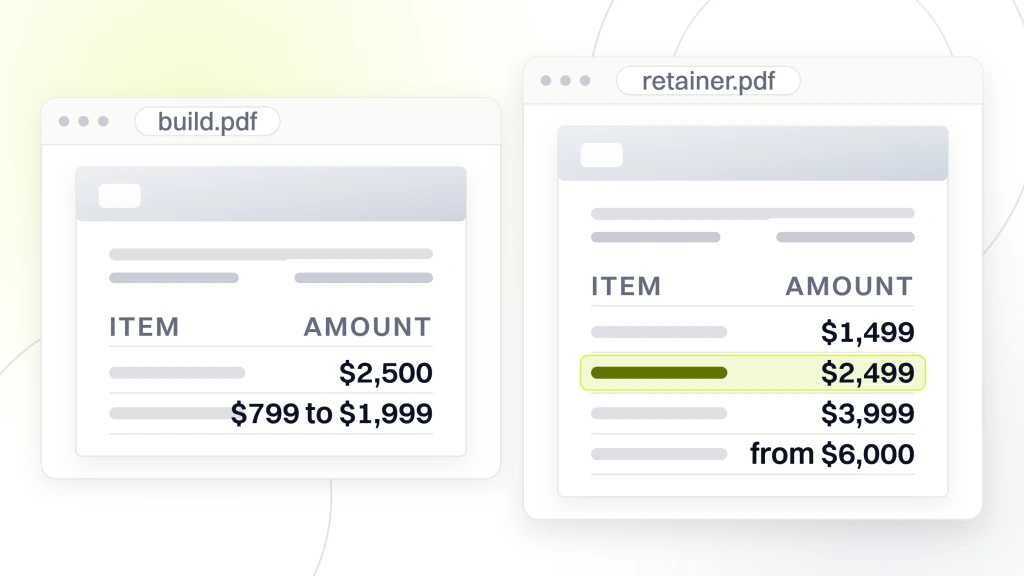
Budget bands on web design for beauty entrepreneurs cover four honest tiers. The $2,500 Redefine Web starter package ships a Shopify site with a paid theme, 5 PDPs, Klaviyo flow setup, and a WCAG audit. The $2,500 to $7,500 SMB package covers a bigger PDP catalog, a shade quiz, and paid ads landing pages. Custom builds start at $18,000+ for founders who need medical booking widgets, HIPAA-safe forms, or bespoke ingredient databases. Ongoing retainer bands sit at $1,499, $2,499, $3,999, and from $6,000 per month depending on content cadence, PPC management, and SEO scope. Pay-monthly financing exists so founders can spread the build over 12 or 24 months rather than a lump sum upfront.
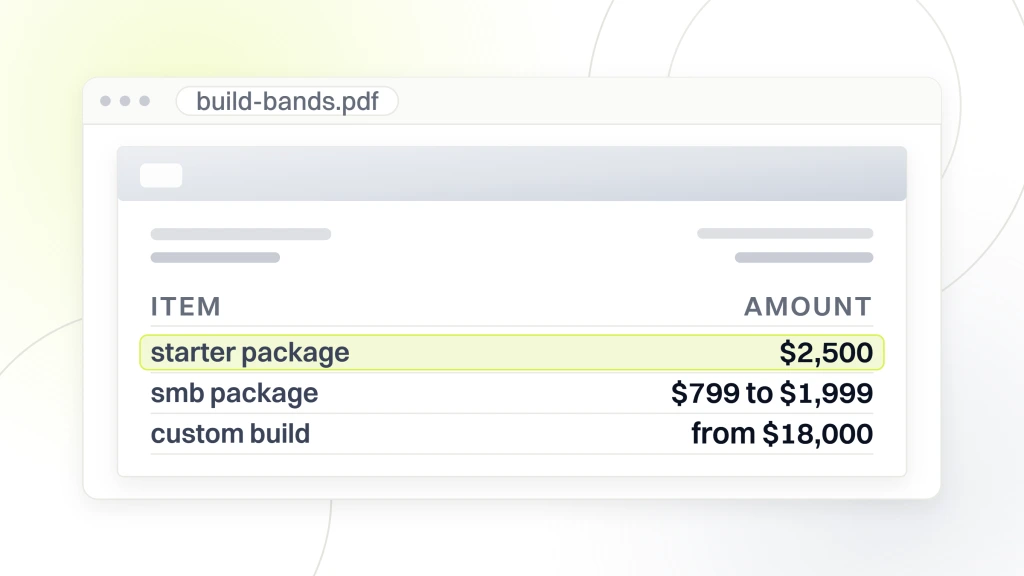
| Package | Build fee | Retainer | Best for |
|---|---|---|---|
| Starter (Redefine Web Design) | $2,500 | $1,499 per month | Solo founder, 5 SKUs, launching in 3 weeks |
| SMB Package | $2,500 to $7,500 | $2,499 per month | 10 to 25 SKUs, small team, first paid media |
| Growth Retainer | Included | $3,999 per month | 25 to 75 SKUs, paid ads, SEO cluster work |
| Custom Build | $18,000+ | Starts at $6,000 per month | Medical or luxury clinic, booking widgets, HIPAA |
The founders who match spend to stage usually see the site pay back inside three to five months. The founders who buy the $18,000 custom build at $60,000 in annual revenue end up with a beautiful site and no cash left for inventory or paid media. Match the tier to real trading, not to aspiration. Every band ships with the same Klaviyo scope and WCAG audit so the base compliance and retention wiring never change with budget.
Red flags in a web design for beauty entrepreneurs pitch
Every beauty founder reads at least three proposals a quarter promising a custom Shopify build at $3,500 flat with up to 3 rounds of revisions. The red flags below catch most of these proposals before the deposit clears. A working partner names the theme upfront, quotes specific customization hours, and shows a portfolio of live DTC beauty sites with conversion rates above the industry benchmark of 1.4% on mobile. Every one of the red flags below has cost at least one founder we spoke to in 2025 an extra $8,000 in remediation.
- No named theme in the proposal. Build cost varies 8x between Impulse, Impact, Prestige, and custom. Vague quotes hide scope creep or the plan to build on a free theme with limited customization.
- No mobile Core Web Vitals commitment. LCP, INP, and CLS targets belong in the contract with a rework clause if the numbers miss on launch day.
- Agency-owned Shopify store or Klaviyo account. Ownership belongs to the founder from day one to preserve data portability during any future transition.
- No WCAG accessibility audit built into design phase. Retroactive fixes cost 3x to 5x the upfront audit and a settlement runs higher still.
- Portfolio of general ecommerce with one beauty example. Category specialization matters on PDP hierarchy and photography.
- No case study with a named DTC beauty brand that scaled inside the partnership with revenue trajectory data attached.
Green flags in a founder-focused pitch
Green flags read the mirror image of the red list. A written scope naming the theme and customization hours. A Core Web Vitals commitment with a rework clause. Client-owned Shopify plus Klaviyo accounts. A WCAG audit built into design phase. A portfolio of live DTC beauty sites with disclosed conversion rates. At least two beauty case studies with named brands that scaled inside the partnership. The SEO for beauty professionals playbook covers the ownership defaults. Our beauty and skincare SEO service defaults to these ownership structures on every engagement, and the same scope document walks the founder through every line before signature.
Case references beyond Beauté for web design for beauty entrepreneurs
Two other case studies inform the pattern for web design for beauty entrepreneurs even though the brands sit outside pure beauty. Abigail Ahern, a global luxury home decor brand, grew ecommerce revenue 179% over a 4-year paid media plus SEO engagement by replacing discount-led messaging with premium creative and segmented shopping campaigns. Paid search ROAS hit 1,588% and paid social ROAS hit 3,000%. The pattern maps directly to founder-led beauty brands that want to hold a premium price point without discount stacking. Restrained discount cadence plus intent-driven traffic plus category-page SEO depth is the same three-part play.
Boogie Board, an ecommerce brand selling reusable writing tablets, cut cost per sale to $31 and grew conversion rate 11% by pairing cross-channel Google and LinkedIn ads with landing-page optimization, automated email follow-ups, and retargeting. Total managed budget hit $650,000 across the engagement with sustainable return on ad spend. For a beauty founder scaling past the first million in trading, that stack is the honest reference for how paid media compounds when the site is already clean. Under-optimized landing pages plus broad ad targeting equals wasted spend. Optimized site plus tight audience targeting equals scale.
Handoff to run web design for beauty entrepreneurs sites solo
Handoff on web design for beauty entrepreneurs projects transfers everything to the founder inside week two of launch. Shopify admin walkthrough recorded on Loom. Klaviyo template library with 6 base flows plus 12 email templates. Figma file with brand color library, typography scale, and product photography templates. Written playbook covering monthly content refresh cadence and quarterly Core Web Vitals audit checklist. Founders who receive a real handoff run the site solo for 12 to 24 months before needing agency support again. Founders who receive black-box builds pay a monthly retainer indefinitely because they do not have the tools to iterate on their own.
Monthly content refresh cadence
Monthly content refresh cadence covers 2 new blog posts on ingredient education or routine building, 4 fresh PDP photography uploads across hero SKUs, 1 seasonal collection launch or trend post, and 6 Instagram content pieces linked to product pages. That cadence keeps the site fresh for users and for search engines. Founders who publish nothing for 6 months slide down organic rankings because Google reduces crawl frequency on sites that go dormant. See our beauty website maintenance service for the specific monthly scope options we run today, or book a strategy call if you want a maintenance scope written for your SKU count and trading band.
Quarterly Core Web Vitals audit checklist
Quarterly Core Web Vitals audit checklist runs PageSpeed Insights on 5 sample pages (homepage, hero PDP, collection, blog post, cart), documents the LCP, INP, and CLS scores, identifies any regression from the prior quarter, and lists 3 to 6 remediation items in priority order. Founders who run this audit solo catch problems inside 90 days of onset. Founders who skip it usually discover speed regression 6 to 9 months in, after Google has already demoted the site in search results and organic traffic is down 20% to 35% off the prior baseline. Book the audit on the same day every quarter so it never slips.
Making the pick on web design for beauty entrepreneurs
Picking a partner for web design for beauty entrepreneurs comes down to six things. Named theme with specific customization hours. Mobile Core Web Vitals commitment in writing. WCAG accessibility audit built into design phase. Client-owned Shopify plus Klaviyo accounts from day one. At least two named beauty case studies with revenue trajectory data. A real handoff package the founder can operate solo for 12 to 24 months. Programs that run all six produce compounding revenue growth without ongoing agency dependency, and the founder ends year one with an asset that appreciates instead of a monthly bill that never stops.
Real programs like the twelve-month Beauté Aesthetics New York engagement produce 166% qualified lead growth by pairing a booking-first site rebuild, treatment-specific SEO, and analytics integration on the same team inside a bundled retainer. If you are picking a partner this quarter, ask three agencies for line-item scopes with named theme, named Core Web Vitals targets, named accessibility audit hours, and case studies with real brand names attached. Book a strategy call and we will walk you through the last three founder-led beauty builds we ran end to end. Our beauty and skincare marketing hub covers the full program scope we run today.