
Website maintenance vs seo for dentists is the budget question most practice owners get wrong for a full year before they notice. The two line items look similar on an invoice, overlap at the vendor level, and both promise to help the practice grow. But they do very different work. Maintenance keeps the site online, secure, patched, and fast. SEO grows the volume of patients who find the practice on Google, Maps, and voice search. Practices that treat the two as interchangeable usually pay two vendors for overlapping scope and miss the technical layer that ties them together.
This guide breaks down what each service actually covers, where scope overlaps, how pricing works across tiers, and how to decide which one deserves the next dollar in the marketing budget. Our team runs both sides across roughly 120 dental sites, and the split we recommend depends on practice stage, collections, and existing patient volume. Read the dental marketing retainer page if you want the bundled version before you go deeper on this comparison.
Website maintenance vs seo for dentists starts with what each one does
Website maintenance for a dental practice covers the technical work that keeps the site online, secure, fast, and legally compliant. It is the plumbing. Patching WordPress, updating the theme and plugins, running daily backups, monitoring uptime, renewing SSL, and fixing broken forms fall inside this bucket. Our dental website maintenance checklist spells out the full task list by cadence. Dental SEO services grow the number of patients who find the site in the first place. Local pack rankings, service page optimization, review generation, and content publishing all sit on the SEO side. See our dental website SEO playbook for the full ranking scope. One holds the roof up. The other brings the traffic through the door.
Dental website maintenance in plain terms
A dental website maintenance plan usually includes plugin and core updates every 2 weeks, daily off-site backups, malware scanning, uptime monitoring, HTTPS and SSL renewal, PHP version upgrades, and a set number of monthly edit hours for small content changes. Our own dental website maintenance plans start at $199 per month and cap at $499 per month for practices with heavy edit needs. The work is invisible when it is done right. It becomes very visible when it stops.
Dental seo services in plain terms
Dental seo services grow organic patient volume by improving how the site ranks in Google search and the local Map Pack. See the best dental SEO strategies that move rankings inside 90 days. The scope covers keyword research, on-page optimization, service page building, Google Business Profile management, review acquisition, local citation cleanup, technical SEO, and link building. The output is measured in first-page rankings, organic sessions, phone calls, and booked new patients. See our full dental seo services page for the deliverable list our team runs each month.
Where dental website maintenance wins the next dollar
Website maintenance vs seo for dentists tips toward maintenance in a few specific situations. Practices already ranking well who need the site to stay online. Practices whose site was custom built and needs ongoing engineering. Practices that just launched and need the technical foundation solid before SEO can produce ROI. In each case, the next dollar produces more patient value at the maintenance layer than at the SEO layer.
Practices already ranking on page one
Practices already ranking in the top 3 organic results for high-value dental keywords rarely gain much from more SEO retainer scope. The ranking is captured. Additional SEO spend at that stage produces diminishing returns. Maintenance dollars protect the rankings by keeping the site fast, secure, and stable. A single site outage during high-intent search hours can cost more in missed bookings than a full quarter of extra SEO scope would produce in new rankings.
Custom-built dental sites
Custom-built dental sites need real engineering to stay healthy. Custom theme code, custom booking widgets, and custom API integrations to practice management systems like Dentrix, Eaglesoft, Open Dental, and Curve all require maintenance dollars that go beyond WordPress plugin updates. Practices with custom builds should typically budget $400 to $900 per month for maintenance before adding SEO. Skimping on the engineering side usually breaks the site inside 18 months.
Freshly launched sites
Freshly launched dental sites need the technical foundation solid before SEO retainer dollars can produce returns. Site speed under 2 seconds, mobile usability at 100 in Lighthouse, schema markup fully populated, and no crawl errors in Search Console. Practices that start SEO the same month the site launches usually waste the first 90 days of retainer fee while the maintenance team fixes technical gaps the SEO team cannot address without host access.
Where dental seo services win the next dollar
Website maintenance vs seo for dentists tips toward SEO in different situations. Practices without organic patient volume. Practices in competitive metros where local SEO carries most of the acquisition load. Practices adding a second location or a new service line that needs its own ranking presence. In each case, the SEO retainer produces measurable patient growth that dwarfs the marginal value of upgrading the maintenance tier.
Practices with weak organic traffic
Practices sitting outside the top 10 organic results for their main dental keywords usually gain more from a real SEO retainer than from bumping the maintenance tier. Ranking gains from position 12 to position 3 typically triple organic call volume within 90 to 180 days. That patient value dwarfs the added maintenance cost of moving from a basic to a standard tier. North County Dental Care, a 20-year Vista, CA practice, saw patient volume grow 1,000% and organic traffic climb 385% after we replaced fragmented agencies with a unified web plus SEO strategy. Marketing ROI hit 500% and the practice averages 12 to 16 new patients each month from digital.
Competitive metros
Competitive dental metros like New York, Los Angeles, Chicago, and Houston need aggressive SEO retainer scope to compete against 40 to 200 competing practices in the same catchment. Local SEO on Google Business Profile, Map Pack optimization, review generation, and location page publishing carry the acquisition load in these metros. Maintenance dollars matter but come after the SEO layer produces measurable ranking gains. Practices in top metros should typically weight SEO at 45% to 55% of the marketing budget for the first year.
New service lines and second locations
Practices adding a second location or launching a new service line like implants, Invisalign, or full-arch prosthodontics need SEO retainer scope to build ranking presence for the new offering. Maintenance dollars keep the existing site running but do not build the new location or service page authority. Adding a location page without an SEO push usually produces the ranking equivalent of publishing a Facebook post. Nobody sees it. Our dental location pages SEO guide covers the second-location ranking playbook in more detail.
Vendor overlap patterns to watch in website maintenance vs seo for dentists
Website maintenance vs seo for dentists produces predictable vendor overlap patterns when the two functions live at different agencies. The overlap gaps become visible on the audit report about 6 months in when rankings have drifted, page speed has dropped, and schema markup has broken. Getting ahead of the overlap patterns saves the practice from paying for both services and getting the benefit of neither.
The schema markup gap
Schema markup often falls between vendors. The maintenance vendor treats it as SEO scope. The SEO vendor treats it as technical maintenance. Both leave it alone. Dental sites without a Dentist schema, LocalBusiness schema, and Service schema miss out on rich results and knowledge panel signals that drive click-through rate. The fix takes about an hour once someone owns it. The problem is that nobody owns it when scope is split. Google’s Search Central documentation is the reference for the LocalBusiness and Dentist schema fields that should be present on every dental page.
The Core Web Vitals gap
Core Web Vitals sit at another overlap gap. Speed is a maintenance concern until it becomes a ranking signal. Then it becomes an SEO concern. Then the vendors disagree on who owns the fix. Sites drift from 85 Lighthouse to 60 Lighthouse across 6 months. Rankings soften. Neither vendor flags it because neither reports on Core Web Vitals in their monthly deliverable. Regular reporting on Lighthouse across the top 10 pages catches this drift before it costs the practice booked patients. The web.dev Core Web Vitals reference spells out the LCP, INP, and CLS thresholds every vendor should hit.
The redirect and canonical gap
Redirect maps and canonical tags fall in the same crack. New location pages get published but never get redirected properly when the URL structure changes. Canonical tags point to old URLs after a site refresh. Both problems cost rankings. Both live at the intersection of maintenance and SEO. Practices with unified retainers catch these in weekly workflows. Practices with split retainers usually find them during a competitive audit when the drop in traffic finally raises alarms.
Benchmark table for dental website maintenance and dental seo services retainer scope
The benchmark table below tracks what our team sees across roughly 120 managed dental sites at each spend tier. Numbers vary by market and specialty but the ranges give a sanity check for a practice comparing quotes across two vendors or evaluating a bundled retainer against a split arrangement. Practices sitting well outside a range in either direction should ask why before assuming the current arrangement is delivering full scope.
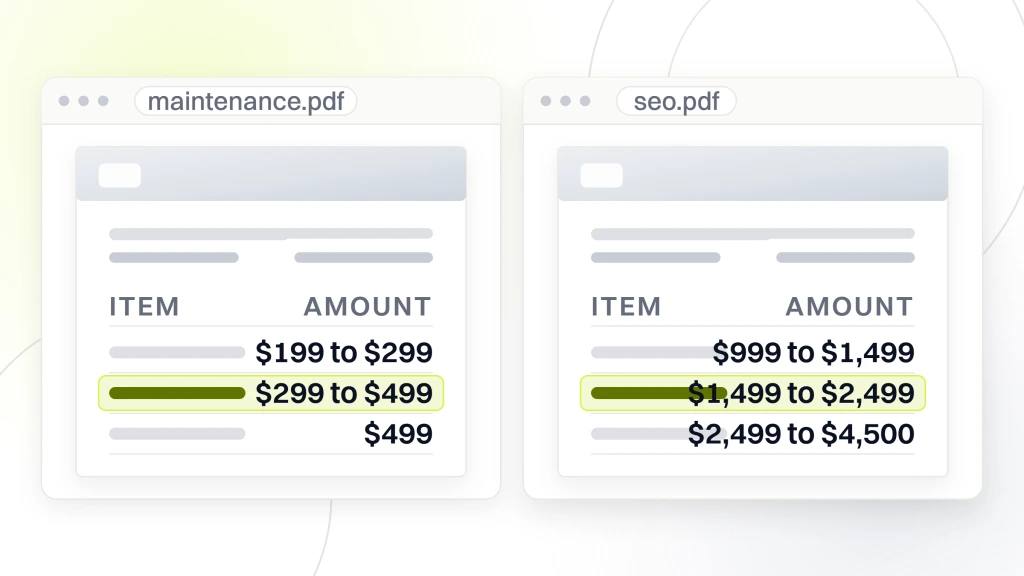
| Retainer element | Basic tier | Standard tier | Premium tier |
|---|---|---|---|
| Maintenance monthly | $199 to $299 | $299 to $499 | $499 and up |
| SEO monthly | $999 to $1,499 | $1,499 to $2,499 | $2,499 to $4,500 |
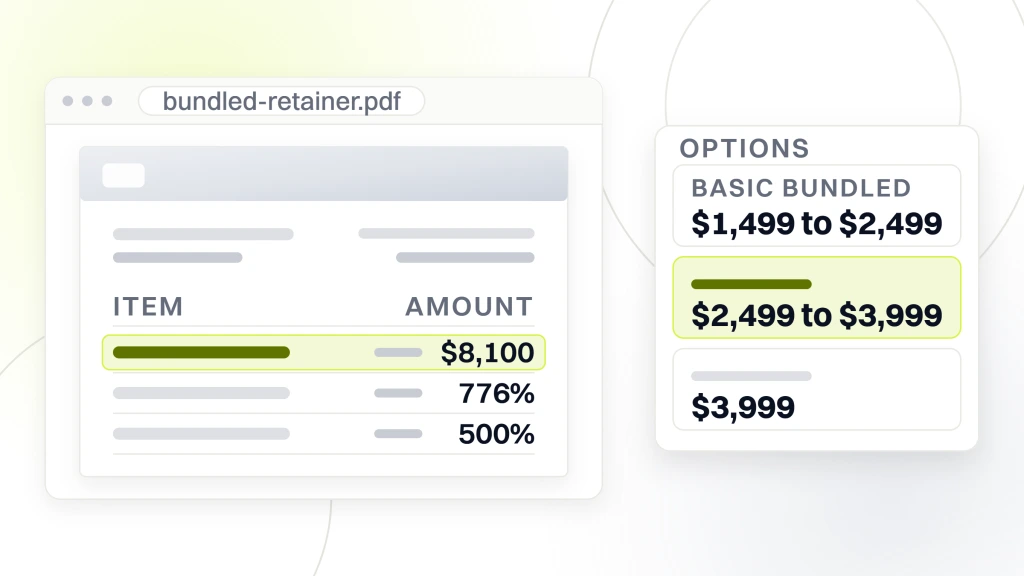
| Bundled retainer monthly | $1,499 to $2,499 | $2,499 to $3,999 | $3,999 and up |
| Edit hours included | 0 to 2 | 3 to 6 | 10 to 30 |
| Content pieces per month | 0 to 1 | 2 to 4 | 6 to 12 |
| Reporting cadence | Monthly | Monthly plus weekly | Weekly plus monthly deep |
| Fits collections range | Under $900K | $900K to $2.4M | Above $2.4M |
A practice paying $2,400 per month in bundled scope but only pulling 1 new patient from digital each month is either over-scoped or the vendor is not shipping the work. A practice paying $499 per month and expecting Map Pack dominance in a top metro is under-scoped and will spend a year confused about why nothing moves. The tier match is the first check before any tactical work begins.
How to split the budget between dental website maintenance and dental seo services
The split between maintenance and SEO depends on where the practice sits in its ranking curve and how competitive the metro is. New patient acquisition is the target metric. Everything on both sides of the invoice should tie back to it. The 3 splits below are the ones we see work most often across the 120 dental sites our team touches each month.
The 20 80 split for practices that need patients now
Practices under $1.2M in annual collections that need new patient volume immediately should spend about 20% of the marketing budget on maintenance and 80% on SEO for the first 12 months. The maintenance tier stays basic. The SEO retainer runs at standard or premium so the ranking work actually gets done. Once rankings stabilize in the top 3 organic results, the practice can rebalance and pull SEO scope down.
The 40 60 split for practices holding steady
Practices between $1.2M and $2.4M in collections that already rank in the top 5 for their main keywords should shift toward a 40 60 split. Maintenance goes up to the standard tier because the site now handles enough traffic to justify a real maintenance retainer. SEO scope drops to a maintenance level focused on content refresh, review generation, and Map Pack defense. VP Dental, a 20-plus year practice led by Dr. Valerie Preston, sits in this range. After we unified their web and SEO under one strategy, monthly new patients doubled, recurring revenue climbed $8,100 per month, and search impressions rose 776%.
The 50 50 split for premium practices
Practices above $2.4M in collections with a premium brand and a custom site usually run a 50 50 split. Maintenance covers the custom engineering, monitoring, and heavy edit workflow. SEO defends rankings, publishes location pages for expansion, and protects the Map Pack against new competitors. Both sides of the retainer produce measurable value and both need real budget. The bundled retainer at this tier usually starts around $3,999 per month and grows with the number of locations.
Signals your dental website maintenance is under-scoped
An under-scoped maintenance plan shows up in a predictable set of symptoms. Practices that ignore the signals usually get a full site rebuild forced on them 18 to 24 months later at a cost 3 to 5 times what the right maintenance retainer would have been. The signals below are the ones our team flags on almost every practice we audit.
- WordPress core or key plugins have not been updated in more than 60 days
- Lighthouse mobile score has drifted below 70 on the homepage
- Contact form submissions stopped arriving and nobody noticed for weeks
- SSL certificate lapsed once or displays a mixed content warning
- Site was hacked, redirected, or defaced in the last 12 months
- Backup restore has never been tested
- No monthly report shows uptime, security scan results, or edit hours used
- Contact page still lists a former staff member or an old phone number
2 or more of the symptoms above usually means the practice is paying for maintenance and receiving little of it, or paying nothing and running a hidden risk. The ADA publications library covers the patient privacy and web accessibility standards dental practices should hold their maintenance vendor to.
Signals your dental seo services are under-scoped
Under-scoped SEO shows up differently. Practices often think the SEO is working because a report shows keywords in the top 20. Then they notice the phones have not rung more than they did 6 months ago. Rankings without patient volume mean the wrong keywords are being tracked. The signals below tell you whether the SEO retainer is producing patient outcomes or is just producing a report.
- Fewer than 3 new patient calls from Google each week
- Google Business Profile has not received a new review in 30 days
- Map Pack shows a competitor in position 1 who was not there 6 months ago
- Service pages for implants, Invisalign, or emergency care are missing
- Blog has not published in 90 days
- Location pages for a second office do not exist or rank outside page 3
- Monthly report tracks impressions but not calls, forms, or booked patients
The single most useful metric for a dental SEO retainer is booked new patients per month attributed to organic search. Everything else is proxy data. Practices that track only rankings and traffic usually learn 12 months in that the retainer produced no ROI. Our guide on dental marketing attribution shows how to wire calls, forms, and booked patients back to their source channel.
When to bundle dental website maintenance and dental seo services under one vendor
Bundling maintenance and SEO under one vendor removes the overlap gaps at the schema, Core Web Vitals, and redirect layers. It also gives the practice a single accountable party when patient volume drops. That accountability alone justifies the bundle for most practices under $3M in collections. Above that, the practice may benefit from separate specialists as long as the 2 vendors have a shared workflow and a common reporting dashboard.
The single vendor accountability advantage
Split vendors point fingers when something breaks. The maintenance vendor blames the SEO vendor for pushing a change that broke the site. The SEO vendor blames the maintenance vendor for a plugin update that killed the schema. The practice owner sits in the middle. A single bundled retainer removes the finger pointing because 1 team owns every technical and marketing decision. Smile Design Dentistry, a 50-plus location DSO, saw PPC conversion rate climb 20% and cost per call drop 30% after we consolidated their bottom-of-funnel work under 1 team instead of 2.
The specialization advantage of split vendors
Practices above $3M in collections with complex custom builds sometimes benefit from a specialist maintenance vendor and a specialist SEO vendor. The trade off is that both parties need a shared Slack channel, a shared reporting doc, and a single monthly meeting where changes get coordinated. Without those workflows, the specialization advantage disappears and the overlap gaps eat any technical win.
How to evaluate a dental website maintenance and dental seo services proposal
Every vendor proposal for either service should answer the same 8 questions. Vendors that dodge any of them are hiding scope gaps. Vendors that answer with specifics let the practice compare 2 proposals on the same axes rather than comparing apples to marketing collateral.
- What exactly is included in the monthly retainer, listed by deliverable
- What is the response time for a broken form, a site outage, or a security incident
- How many edit hours are included and what counts as an edit
- What does the monthly report cover and can we see a sample
- Who owns the domain, the hosting account, and the Google Business Profile
- What happens if we cancel and how do we get our data back
- What is the pricing structure for changes outside the retainer
- Who is the actual person on our account, not the sales lead
A vendor that answers those 8 questions with numbers and names is a vendor that can be held accountable. A vendor that answers with mission statements is a vendor that will disappear when patient volume drops. Ask the questions in writing before signing anything.
The 12 month roadmap for balancing website maintenance vs seo for dentists
Most dental practices should think about maintenance and SEO on a 12 month roadmap rather than as a monthly line item decision. The roadmap gives both sides room to compound. Maintenance work in month 1 raises Core Web Vitals which then makes SEO work in month 4 more effective. SEO work in month 6 raises traffic which then justifies a maintenance tier upgrade in month 9. Everything ties together when the calendar runs long enough.
Months 1 to 3 fix the foundation
Months 1 to 3 focus on the technical foundation. Update WordPress core, replace abandoned plugins, migrate to a fast host, restore all schema markup, add HTTPS everywhere, and hit a Lighthouse mobile score above 90 on the top 10 pages. This is maintenance work with SEO benefit baked in. Skip this and every dollar of SEO retainer spent in months 4 to 12 loses about 30% of its effect to preventable technical drag.
Months 4 to 8 grow the rankings
Months 4 to 8 focus on ranking growth. Publish or rebuild service pages for the top 6 revenue lines. Add 2 blog posts per month targeting mid-funnel patient searches. Generate 15 to 25 new Google reviews per month. Fix Google Business Profile categories and add photos monthly. Track calls, forms, and booked patients from organic. See Google Business Profile Help for the baseline profile discipline every dental site should hit.
Months 9 to 12 defend and expand
Months 9 to 12 defend the gains and expand. Add location pages for any second office. Refresh the top 20 pages by traffic. Add long-form content for high-value services. Upgrade the maintenance tier if traffic has doubled. Review the retainer split and rebalance for year 2. Practices that follow this pattern typically see new patient volume from digital climb 2 to 4 times year over year and marketing ROI settle in the 300% to 500% range.
The questions below are the ones our team hears every week from practice owners weighing dental website maintenance against dental seo services. Every answer reflects what we see across the 120 dental sites our team manages each month.