Pediatric dental dso deals run different from general practice deals across every dimension that matters at close. The multiples are higher. The buyer pool is narrower. The employment terms lean longer. The clinical culture matters more since pediatric patients trust the practice at a family level, not the individual patient level. Sellers who walk into a pediatric platform conversation with expectations built on GP transaction data end up frustrated inside diligence and often lose value at signing. That gap between GP expectations and pediatric reality is the single biggest reason first-time pediatric sellers leave money on the table.
This guide walks the specific pediatric dental dso market in 2026 with the numbers Redefine Web has watched close across pediatric transactions between 2023 and 2025 in Florida, Texas, Georgia, Ohio, and California markets. You get real pediatric multiples by practice profile, the three buyer categories that actually shop pediatric groups, what doctor-partnership models offer that employed models cannot, what cultural fit means when the patient roster is 4-year-olds and their parents, and the 12-month preparation cycle that keeps pediatric groups at the top of the multiple range at close. Read the dental marketing hub for the sibling retainer scope that ties into every transaction below.
Pediatric dental dso in one page
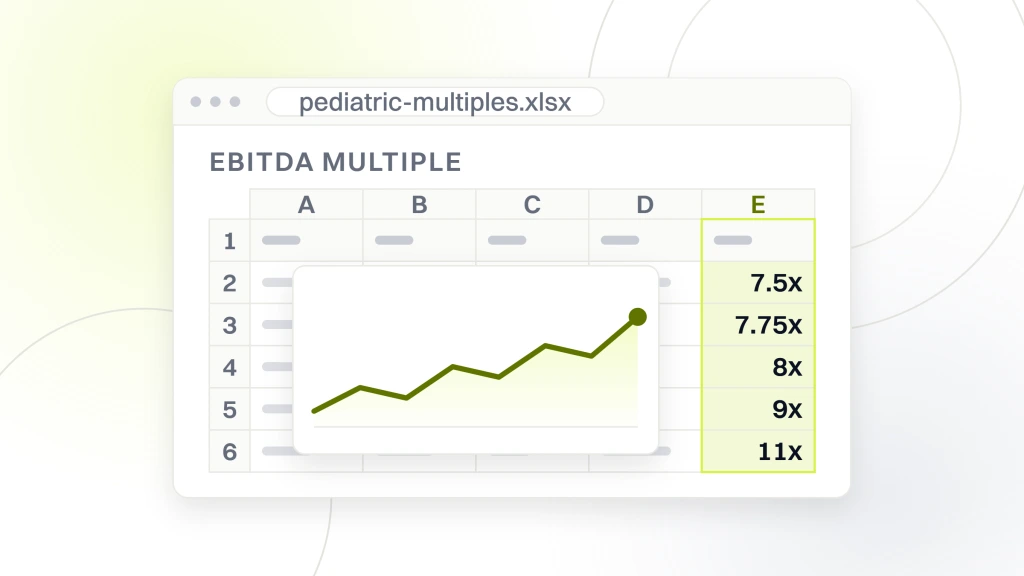
A dental clinic dso is a dental service organization that buys pediatric dental practices, standardizes the non-clinical operations at the group level, and offers the selling doctor a mix of cash at close plus rollover equity in the platform. The dental clinic dso model buys the practice through an asset or stock deal at 7.5x to 11x adjusted EBITDA depending on group size and payer mix. The selling doctor stays on with a 5 to 7 year employment agreement and clinical autonomy over patient care. Everything non-clinical (payroll, PMS, marketing, supply, billing) moves to the central platform inside 90 days of close.
Pediatric platforms differ from general practice platforms in three specific ways. Higher multiples on commercial-heavy pediatric practices since the recurring family patient book compounds faster than adult GP books. Longer employment terms since operational integration takes longer on pediatric-specific systems like behavior management protocols and referring pediatrician workflows. Stronger cultural fit gates at LOI since the parent trust that built the practice cannot survive a punitive integration that swaps out the front office in month one.
Every pediatric group thinking about a sale in 2026 should track four numbers before the first banker call. Trailing 12 months collections and adjusted EBITDA. Payer mix split by commercial and Medicaid. Referring pediatrician count with volume by source. Marketing attribution across the parent-facing channels. Miss on any of the four inside diligence and the buyer QoE cuts the multiple a quarter to half turn at close. Hit all four with clean documentation and the multiple holds at the top of the range through diligence.
Pediatric dental dso buyers in 2026
Pediatric dso buyers split into three categories in 2026. Pediatric-focused specialty platforms that only buy pediatric groups. Multi-specialty DSOs that buy pediatric alongside GP, ortho, and oral surgery. Doctor-partnership platforms that stress local clinical ownership retained through structured rollover. Each category runs different economics, culture, and diligence processes for pediatric transactions in particular, and the wrong platform match at LOI reads as regret for the next 5 to 7 years of the employment agreement.
Pediatric-focused specialty platforms
Pediatric-focused specialty platforms only buy pediatric groups and build central operations around the pediatric rhythm. Marketing runs around parent audiences on Meta and search. Referral partnership work runs formalized across the pediatrician network in every metro. Staff training runs deep on pediatric behavior management protocols. Sellers who value operational fit in particular to pediatric ways of working prefer these platforms. Multiples run a quarter turn higher on average since the platform executes better on pediatric-specific infrastructure than a general dso can.
Multi-specialty dental clinic dso platforms
Multi-specialty dso platforms buy pediatric groups as one piece of a broader portfolio strategy that spans GP, ortho, oral surgery, endodontics, and periodontics. Central operations run less pediatric-specific. Marketing runs generic dental campaigns adjusted per specialty. Referral work stays informal at the local level. Sellers who want cross-specialty referrals inside the network sometimes prefer these platforms since a pediatric patient graduating to ortho stays inside the dso footprint. Multiples run a quarter turn lower on average since operational fit is looser.
Doctor-partnership platforms
Doctor-partnership platforms give the seller a local ownership slice while the central platform takes the majority stake. The selling doctor keeps direct upside on local practice performance through a joint venture LLC at the office level, not just rollover equity at the platform level. Sellers who want to stay engaged in the practice they built prefer partnership. Sellers who want the check and a ramp toward retirement prefer the fully employed model at a specialty or multi-specialty platform. Both structures work at different life stages, and the wrong pick reads as friction for years.
Pediatric dental dso multiples by practice profile in 2026
The table below compares dso dental office deal shapes across four practice profiles. Solo pediatric practice. Two-office pediatric group. Three-office pediatric group. Multi-state pediatric platform. Every range reflects field averages across pediatric transactions Redefine Web watched between 2023 and 2025. Every deal has unique tax structure and unique add-backs, so use these as benchmarks against your specific practice, not as a promise on any single transaction.
| Profile | Collections | Multiple | Cash | Rollover | Employment |
|---|---|---|---|---|---|
| Solo pediatric | > 1.8M | 7.5x to 8.5x | 75% | 25% | 7 years |
| Two-office pediatric | > 3.2M | 7.75x to 8.75x | 72% | 28% | 7 years |
| Three-office pediatric group | > 4.6M | 8x to 9x | 70% | 30% | 7 years |
| Multi-state pediatric platform | > 12M | 9x to 11x | 65% | 35% | 5 years |
Read the table with payer mix in mind. Medicaid-heavy pediatric practices at any row land at the low end of the multiple band. Commercial-heavy practices at any row land at the top of the band. The 100 basis point spread on payer mix maps directly to a quarter turn on the multiple, which is meaningful on a 4M pediatric practice with 1.3M adjusted EBITDA at close. Payer mix planning 12 months before market cuts this discount by half or more at signing. The dental SEO services page walks the organic ranking work Redefine Web runs on pediatric groups getting ready for market.
A three-office pediatric group with 4.6M in collections closes as one deal for the buyer, not three separate transactions. That efficiency alone justifies a quarter to half turn premium over three separate 1.5M pediatric practices in the same metro. Group sellers should model this premium into the asking price at LOI. Buyers pay for the reduced deal complexity even before considering the operational benefits of running three offices under one brand and one central marketing spend.
Pediatric dental dso cultural fit works differently than gp
Cultural fit inside a dental clinic dso works differently than at a general practice dso since the patient relationship is family-level, not individual-level. Parents choose the pediatric practice for the child and often stay with the practice through the sibling additions. That family-level trust cannot survive a punitive integration that changes the front-office team, the appointment scheduling flow, or the payment discussion patterns overnight in month one after close. Cultural fit at LOI is not a soft factor on pediatric transactions. It is a hard gate that reads directly into second bite value at exit.
Front office continuity in a pediatric practice
Front office continuity matters more in a pediatric practice than in any other specialty. Parents recognize the receptionist by name after the second visit. The receptionist knows every child by name after the fifth visit. Sellers should negotiate front office team retention explicitly in the LOI period, or at least protect the manager position from central turnover mandates for the first 12 months. A pediatric practice that loses the front office manager in the first 60 days feels the impact through parent complaints and cancellations for the next 6 months easily.
Scheduling flow discipline
Scheduling in a pediatric practice runs tight windows optimized for parents with 2 to 4 kids and school schedules. Central dso scheduling systems often run windows built for adult practices with different flow assumptions. Sellers should negotiate scheduling autonomy at the local level for the first 12 months post-close. Central rollout of the scheduling system inside 30 days breaks parent workflows that took years to build and reads as chaos to families who used to book 4 kids in one 90-minute block on a school half-day.
Payment discussion patterns with parents
Payment discussions with parents run different than payment discussions with adult patients. Pediatric practices often extend informal payment plans, waive small balances for good-faith reasons, and handle insurance rejections with more flexibility. Central dso billing systems often push scripts that feel punitive to loyal parents on a first read. Sellers should negotiate a written 12 month grace period on central billing script rollout inside the MSA. That grace period protects the parent trust that built the practice over 15 to 20 years of consistent care.
Preparing a pediatric dental dso transaction 12 months out
Preparing a pediatric platform transaction takes 12 months of specific work on books, marketing attribution, referring pediatrician partnerships, and payer mix optimization. Skip any quarter of that preparation and the multiple takes a quarter to half turn hit at close. Pediatric transactions in particular reward preparation since buyer diligence teams look at pediatric-specific metrics that general dso diligence teams do not track. The 12 month cycle below is the field-tested sequence Redefine Web runs with pediatric sellers preparing for a first serious dso conversation.
Quarter one, clean the books
Clean the P and L. Separate personal from business expenses. Normalize owner comp to a market rate for a pediatric dentist in the practice metro. Call out family payroll and one-time capital as add-backs with documentation. Move real estate rent to fair market rate if you own the building through a related entity. Pediatric practices often carry informal owner-family arrangements that need cleanup before a buyer QoE will accept them at full value. Twelve months is enough runway to make the practice look institutional-clean for the diligence team.
Quarter two, install marketing attribution
Install call tracking on every marketing channel through a specialist partner like Redefine Web dental PPC services. Log parent-facing form fills with source data. Track referral partner sources with documented weekly reports. Pediatric buyers value 24 months of clean attribution more than general dso buyers value it since parent acquisition cost feeds the platform’s second bite pitch to the next sponsor. Buyers pay a quarter turn premium for pediatric practices with 24 months of clean attribution across paid and organic channels. Read the Google structured data guide for dental practices for the schema baseline every pediatric site should carry.
Quarter three, formalize referring pediatrician relationships
Formalize the referral partnerships with the top 10 referring pediatricians in the trade area. Track referring pediatrician count with quarterly review. Track referral volume per referring source with monthly reports. Send quarterly thank-you reports to the top 10 referring pediatricians about the patients they referred and the outcomes. Buyers pay a quarter to half turn premium for pediatric practices with 10-plus documented consistent referring pediatricians. Practices with informal networks earn no premium since diligence cannot verify the referral flow without documentation.
Quarter four, position for market
Build the pediatric-focused buyer shortlist. Group Dentistry Now lists active pediatric platforms with enough detail to shortlist properly. The ADA Health Policy Institute publishes pediatric industry data on collections, payer mix, and workforce trends. Screen the shortlist for cultural fit, sponsor track record on prior pediatric exits, and pediatric operational experience. Get warm introductions where possible. Position the practice as the acquisition the platform wanted last quarter but did not have on the pipeline board yet.
Smile Design Dentistry case study on pediatric dso marketing
Smile Design Dentistry runs a healthcare dental dso across 50-plus offices in Central Florida and Tampa Bay, headquartered in Dade City. The group covers cosmetic, emergency, preventive, and specialty pediatric care under one brand. When Redefine Web engaged with Smile Design in 2022, the digital marketing operation was fragmented across every office and every specialty. Each pediatric location ran its own campaign structure without coordination on referring pediatrician networks, parent-focused messaging, or attribution rollup across offices.
Redefine Web restructured the PPC accounts by funnel stage and geography, built separate landing pages for pediatric service lines in particular, and layered full-funnel paid social with parent audiences on Meta. Cost per call dropped 30% across the pediatric offices within 12 months. PPC conversion rate grew 20% year over year for pediatric campaigns in particular. For a wider look at multi-office dental group builds, our DSO buying dental practices guide covers the acquisition math and platform playbook end to end. 50-plus offices reported on one dashboard for the first time, part of the wider dental SEO services discipline we run across dental groups nationwide, with pediatric-specific tracking on parent form fills, referral partner sources, and cost per acquisition rolled up at the platform level for sponsor reporting.
The transfer for a pediatric group joining a well-run dso is the marketing scale calibrated to parent audiences and rolled out to every location in the same week. Central creative for pediatric campaigns deploys once and runs everywhere. Referring pediatrician outreach standardizes across the network. Attribution rolls up on one dashboard with pediatric-specific metrics the sponsor needs at the next exit. Pick the pediatric group deal platform based on execution track record with pediatric practices in particular, not general dso branding on the pitch deck.
VP Dental and North County Dental Care case studies on the marketing preparation stack
VP Dental is a general and cosmetic dental practice in the United States that partnered with Redefine Web on a unified web and SEO program between 2023 and 2024. The engagement rebuilt the website, restructured SEO strategy, and layered conversion optimization on the hosting side. New monthly patient bookings doubled at plus 100%. Recurring revenue added $8,100 per month through the retainer work. Search impressions climbed 776% year over year. The full case study lives on the VP Dental page (case studies section) and covers the website redesign, SEO strategy, and booking integration work.
North County Dental Care in Vista, California runs a general and cosmetic practice in North County. Redefine Web partnered with North County Dental Care across a full digital transformation from 2021 to 2024 covering SEO, web development, PPC, and local marketing under one program. Patient growth hit plus 1,000% across the engagement window. Organic traffic climbed 385%. Marketing ROI landed at plus 500% across the three-year engagement. North County Dental Care shows the compounding math on a family practice that moved from several agencies to one plan.
Both accounts transfer directly onto a pediatric practice preparing for a dso conversation. Documented month-over-month new patient growth prices the practice a half turn higher at LOI. Clean attribution holds the multiple against the buyer QoE. A multi-year relationship with one marketing partner reads as institutional-grade discipline to the diligence team, not a founder-run marketing spend that dies with the seller at close. On a 3M pediatric collections practice, that combined pricing move adds 500K to 900K to the closing check over what an unattributed practice earns.
Year one operations at a pediatric dental dso practice
Year one operations at a pediatric dso practice run the same predictable arc as general practice dso year ones, with a few pediatric-specific wrinkles worth planning for. Days 1 to 30 feel quiet on integration work. Days 30 to 90 get noisy on payroll, PMS, and marketing conversion. Days 90 to 180 stabilize on the new operational rhythm. Days 180 to 365 normalize into the platform routine. Pediatric-specific complications tend to concentrate around parent communication and front office continuity through days 30 to 90.
Days 1 to 30 observation window
The first 30 days after close are intentionally quiet on integration. The dso integration team gathers documents, observes the front office workflow, and studies how parents interact with the practice at the reception desk, in the operatory, and on the checkout line. Pediatric practices should use this window to document the informal payment plan practices, the sibling appointment scheduling patterns, and the referring pediatrician communication patterns so the dso can preserve them explicitly through the change window in month two and month three.
Days 30 to 90 change window
Days 30 to 90 the operational noise picks up. PMS conversion starts on the practice management side. Payroll moves to central. Marketing shifts to the platform team. Supply ordering moves to the group purchasing agreement with the platform vendors. Pediatric practices should push hard on scheduling autonomy and payment script grace period during this window. Parents notice the changes faster than adult patients notice similar changes since the family relationship with the practice is denser and more emotionally charged than any adult GP relationship.
Days 90 to 365 stabilization
By day 90 the payer contracts renegotiate to the group schedule at higher rates on commercial and Medicaid. Central pediatric marketing spend picks up on parent audiences across the platform’s active metros. By day 180 the practice runs on a stable operational rhythm. By day 365 the seller has adjusted to weekly regional ops calls and life as an employed pediatric provider with equity in the platform. Most sellers describe year two as easier than year one since the operational churn has passed and the pediatric-specific rhythm has stabilized.
Second bite math on a pediatric dso rollover
Second bite math on a pediatric dso rollover follows the same three drivers as any dental clinic dso transaction, with pediatric-specific twists worth modeling before signing at LOI. Platform EBITDA growth across the hold period. Sponsor multiple expansion at exit. Rollover slice retained at close. Pediatric platforms tend to hold longer than GP platforms (5 to 7 years compared to 4 to 6) since the operational integration takes longer to fully deploy on pediatric-specific systems like behavior management and referring pediatrician automation.
Rollover return ranges on pediatric platforms
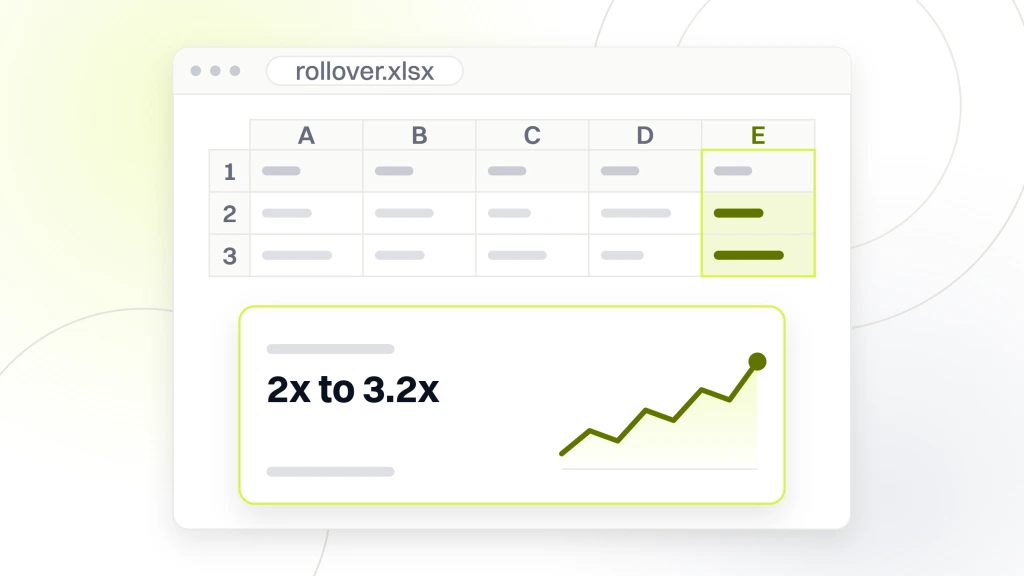
Pediatric platform second bites deliver 2x to 3.2x return on rollover for sellers who joined well-run platforms with clean execution. Higher than GP platform second bites of 1.5x to 3x since pediatric platforms often grow EBITDA faster on marketing scale and referring pediatrician automation. Underperforming pediatric platforms return less than 1x on rollover. About 15 to 20% of pediatric platforms fall into the underperformer bucket. Sponsor screening at LOI is the single biggest input on which side of that outcome your rollover lands, and no other diligence work matters as much.
How pediatric platforms grow EBITDA fast
Well-run pediatric platforms grow EBITDA through three moves that solo practices cannot run at scale. Central pediatric marketing deployed against parent audiences on Meta and search across every active metro at once. Referring pediatrician outreach automation across the platform footprint with quarterly report packages. Group PPO contracts renegotiated on stronger scale than any solo practice can match individually. Those three combined typically produce 15 to 25% EBITDA growth in the first 24 months post-affiliation. That growth flows straight into the sponsor exit story and drives the second bite math on rollover.
Sponsor screening questions for second bite protection
Ask three questions of every pediatric platform sponsor at your bidder table before signing at LOI. What was the hold period on the last two pediatric platforms they exited? What multiple expansion happened between entry and exit on those platforms? What percentage of rolled pediatric sellers received returns above 2x on their rollover at exit? Reputable pediatric sponsors track this data and share it in diligence. Sponsors that will not share are sponsors to skip in your final four. Independent industry coverage at Dentaltown tracks pediatric platform activity alongside broader dso coverage.
Working with a partner on a dso dental office transaction
Working with a specialist marketing partner across a dental clinic dso transaction pays back at LOI and again during diligence. Documented month-over-month new patient growth prices the practice a half turn higher. Clean attribution holds the multiple against the buyer QoE. Pediatric groups scaling patient acquisition across multiple offices already benefit from a multi-location program that covers pediatric-specific parent campaign structures, referring pediatrician outreach automation, and central attribution across offices. Solo pediatric practices preparing for a first dso conversation benefit from a partner that understands parent search behavior and referring pediatrician network dynamics.
The Redefine Web dental marketing retainer at $1,499 per month covers the SEO, content, and monthly reporting work that produces the attribution artifacts pediatric buyers value at LOI. 12 months of consistent retainer work is the minimum meaningful preparation window. 6 months is possible but the buyer team discounts less mature attribution data during diligence. 12 months is the sweet spot for pediatric groups running through this preparation project on a first serious dso conversation. For growth-stage pediatric groups running paid alongside organic, the Redefine Web PPC services program installs pediatric-specific call tracking, structures paid ad accounts around parent search behavior, and produces monthly source data buyers value at LOI.
Final read on pediatric dental dso deals in 2026
Pediatric transaction deals run different from GP deals across every dimension that reads at close. Higher multiples on commercial-heavy practices. Longer employment terms. Stronger cultural fit requirements. More formalized referral network diligence. Deeper front office continuity concerns during days 30 to 90. Every one of those factors shifts what a prepared seller should focus on during the 12 month preparation cycle before market. Rank the platforms on pediatric operational fit before general dso branding on the pitch deck. Formalize the referring pediatrician network. Optimize the payer mix over 12 months. Screen sponsors aggressively at LOI with 10 reference calls to pediatric sellers who signed in the last three years.
Prepared pediatric sellers hold multiple through diligence at the top of the range and see rollover deliver 2x to 3.2x return at exit. Rushed pediatric sellers lose value across every dimension the buyer team scores and often see rollover return less than 1x when the platform underperforms. The gap between the two outcomes is 12 months of preparation work on books, marketing attribution, referring pediatrician relationships, and payer mix. Start the preparation cycle 12 months before the first banker call and the check at close plus the second bite at exit both land at the top of the range on a well-matched pediatric group transaction.