Sedation dentistry marketing is a trust sale, not a price sale. The patient searching for sedation dentistry marketing is not comparing coupons. They are deciding whether they can walk through your door without a panic attack. Miss that emotional beat and the ad spend runs like water through a sieve. Nail it and a single patient books an $1,800 to $6,400 case that would have gone unfilled at any other practice. This guide is an honest look at turning dental fear into booked appointments without leaning on discount hooks or hype.
You get the message hierarchy, the paid channel mix, the landing page pattern, the review workflow, and what tightening the sedation funnel does to cost per call. Read straight through in about 12 minutes. Take the two sections that fit where your practice is today. Everything here is grounded in campaigns we have run for dental clients, not theory pulled from a webinar.
The sedation dentistry landing page that converts
A general dental homepage will not work for sedation paid traffic. You need a dedicated landing page that treats every element as a fear-lowering signal. The page has a single job. Take the click from an anxious searcher and produce a phone call or a form fill. Everything else, including your service menu and your team page, gets stripped off.
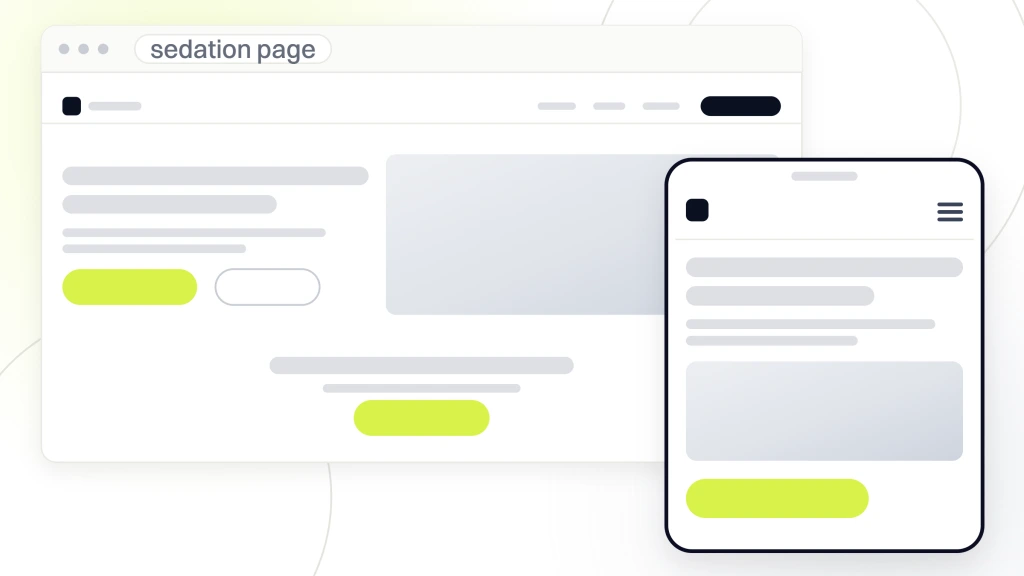
The section stack that converts sedation traffic best follows a specific order. Above the fold, headline plus subhead plus 3-field form plus click-to-call, review count with average rating, and a calm-face photo of the sedation dentist. Section 2, a 45-second video of the sedation dentist speaking straight to camera. Section 3, the no-judgment paragraph. Section 4, the 3 sedation options explained without jargon. Section 5, real patient reviews with first names and sedation type. Section 6, an insurance strip. Our dental ppc landing pages post has the fuller pattern.
The hero section that stops the bounce
Your hero on any sedation dentistry marketing page has 3 seconds to answer 3 questions. Do you understand my fear. Are you nearby. Are other anxious patients happy with you. Miss any one and the anxious visitor bounces to the next practice on the search results. The winning hero pattern shows a real photo of the sedation dentist, not a stock smile. Under the photo, the review count with a star rating. Under that, the headline that names the fear.
Copy inside the hero has to do two jobs at once. It has to prove you get the fear, and it has to promise the next step is easy. Try a headline like “Sleep through your dental visit. Wake up done.” Follow with a subhead that names your city and your review count. Then a click-to-call button in warm color, sized for a thumb, above the fold on every phone. That single stack lifts anxious-patient call rate 20 to 35% on the same traffic.
The 45-second explainer video
The single most valuable asset in sedation dentistry marketing is a 45-second video of the sedation dentist explaining what the appointment feels like. No script reading, no hype, no cutaway shots. Just a calm face saying what happens between walking in and walking out. Practices that add this video see conversion climb 32 to 58% on the same paid traffic. It is worth the 2 hours it takes to shoot on an iPhone with a lav mic.
Sedation dentistry review strategy that carries weight
Reviews carry outsized weight in sedation dentistry marketing. Anxious patients read the last 15 reviews before booking, and they hunt for reviews from other anxious patients. Generic 5-star reviews about a great cleaning do not lower fear. Reviews from patients who describe their own anxiety and how the practice handled it convert readers into callers.
The workflow that produces these reviews is deliberate. After every sedation appointment, the treatment coordinator asks 2 questions before the patient leaves. How did you feel before you came in today, and how do you feel now. Those two questions get captured on paper. 2 days later, the coordinator sends a text with the review link and a soft suggestion, share your before and after feeling if you feel comfortable. That structured ask produces 8 to 14 fear-specific reviews per month on a practice running 30 to 60 sedation cases monthly.
Reviews that directly lower fear
Feature 4 to 6 fear-specific reviews on the sedation landing page. Pick reviews that name the specific anxiety and the outcome. Reviews that mention 20 years of avoidance, a bad childhood experience, or a diagnosed dental phobia, followed by relief, convert readers into callers. Reviews that only mention the doctor’s kindness are nice but do not carry the weight of a fear-to-relief arc. Our dental reputation management post covers the fuller review response framework.
Responding to reviews in a fear-first voice
Response tone matters more in sedation dentistry marketing than anywhere else in dental. A response that thanks the patient by name and acknowledges the courage it took to come in produces more downstream calls than a generic thanks for the kind words. Every positive review gets a warm, human response inside 48 hours. Every negative review gets an immediate acknowledgment, a private offer to talk, and never an argument on the public thread. Practices with a 100% response rate rank 22 to 38% higher in the local pack for sedation queries. Independent studies from BrightLocal’s local consumer review survey back up how heavily anxious buyers weight the last handful of reviews.
Video content that carries the sedation story
Video is the highest-return content type in sedation dentistry marketing. A calm face on camera does what no amount of written copy can do. It lets the anxious viewer rehearse the appointment mentally before ever walking in. Practices that publish 4 to 8 short videos per year on sedation topics see organic traffic climb 45 to 90% inside 12 months, and paid traffic convert 30 to 55% better since the videos become retargeting assets.
The video library that produces booked appointments has a clear structure. One 60-second general sedation explainer. One 45-second oral sedation walkthrough. One 45-second IV sedation walkthrough. One 90-second practice tour. 2 or 3 patient stories under 90 seconds each. Total production time is 4 to 6 hours across a single day, and the assets earn back their cost inside 2 months. See our video ads for dental services post for the scripts and shot lists.
The full walkthrough video
Shoot a 90-second video that walks the viewer from the parking lot to the sedation chair to checkout. No voiceover actor. The dentist or a lead assistant narrates in first person, in the same clothes they would wear on a normal appointment day. This video, embedded on the sedation page and used as a Meta retargeting ad, produces 20 to 35% lower cost per patient than any other creative you can produce.
Patient story videos with real anxiety
Ask two current patients who overcame significant dental fear to record a 60-second video answering 3 questions on their own phone. What was your fear before you came in. What was the appointment like in the chair. What would you tell someone still avoiding the dentist. Edit lightly, add captions since 80% of Meta viewers watch muted, and rotate as ad creative. These are the highest-converting sedation dentistry marketing assets we have ever measured.
Sedation dentistry marketing compliance and disclaimers
Sedation dentistry marketing lives inside a tighter regulatory box than general dentistry ads. Google, Meta, and state dental boards all have rules about how sedation can be advertised. Break any of them and you lose ad accounts, credentials, or both. This is the section that keeps you out of trouble when everyone else scrambles to figure out why their account got shut down.
Three sedation dentistry marketing compliance areas matter most. First, the sedation type has to be named correctly and only the ones the practice is licensed to provide can be advertised. Second, before and after photos of sedated patients require signed HIPAA-compliant releases, and Meta will reject any ad using a sedated patient’s face. Third, testimonials cannot claim a specific medical outcome. Practices that keep these 3 lanes clean run for years without a single account suspension. Our dental ads compliance guide covers the fuller checklist.
State board rules that override Google
Every state dental board has specific rules on how sedation dentistry marketing can run in that state. Some states require the sedation permit level to be listed in every ad. Some require the anesthesia provider’s name. Some prohibit any language that suggests painlessness. Check the state board website every 6 months since these rules change. Practices that miss a rule change usually find out through a formal complaint filed by a competitor.
HIPAA-safe testimonial capture
Every testimonial video or written review used in ads needs a signed HIPAA-compliant release that names the specific channels and duration of use. A generic photo release will not cover it. Use a 2-page release that names Google, Meta, YouTube, and the practice website, with a 3-year duration and an explicit sedation-treatment mention. Practices that skip this step have testimonials pulled by Meta trust and safety inside 30 days.
DSO sedation case study, 50 offices, cost per call down 30%
Smile Design Dentistry, a 50-plus office DSO, came to us with inflated ad spend, poor-quality sedation leads, and inconsistent tracking. Every office ran a different sedation landing page. Some offices captured leads by phone only. Some used a shared form that produced junk data. Cost per call was climbing month over month with no clear reason.
We restructured PPC accounts around a shared sedation ad group with per-office landing pages, added full-funnel paid social with a calm-dentist creative rotation, and rebuilt the sedation landing pages with the section stack described earlier in this guide. Inside 4 months, PPC conversion rate climbed 20% across the network, cost per call dropped 30%, and the DSO scaled the sedation program across 50-plus locations without adding total budget. You can read the full DSO breakdown on our DSO dental marketing rollout page.
What moved cost per call the most
Three sedation dentistry marketing changes carried most of the improvement. Match-type discipline on Google Search, moving broad-match keywords to phrase-match with tightened negatives, cut wasted spend by 22% inside 30 days. Landing page rebuild with the calm-face hero and 45-second video moved conversion up 28% on the same traffic. Meta cold-audience creative rotation moved cost per patient from $220 to $135 by month 3. Multiply those 3 effects across 50 offices and you get a 30% cost-per-call reduction without cutting spend.
What scaled cleanly across offices
A shared creative library with per-office branding overlays let 50 offices run consistent sedation ads without a creative team at every location. A central reporting dashboard with per-office cost per call rolled up weekly gave the DSO leadership visibility they had never had before. A per-office review workflow triggered by the shared practice management system produced fear-specific reviews at scale. These 3 shared assets are how a sedation program grows past 10 offices without falling apart.
Sedation dentistry website design principles
Your sedation dentistry website carries a different job than a general dentistry site. Color palette leans warmer. Photography leans real. Copy leans calm. Every design decision either lowers the fear or raises it. There is no neutral element on a page an anxious patient will scan at 11 pm on their phone.
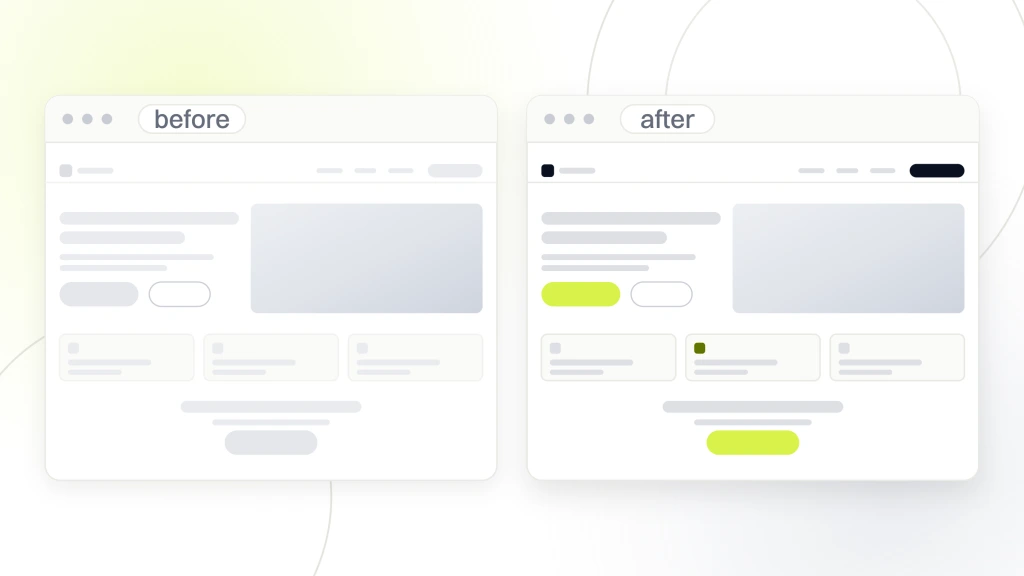
Three design choices carry disproportionate weight. Warm color palette with soft blues and creams instead of clinical white and cold blue. Real photography of the sedation team, the sedation room, and the recovery area instead of stock. Typography that reads soft rather than clinical, which means humanist sans-serif over hard geometric fonts. Practices that apply all three see engagement metrics climb inside a month. See our dental website design guide for the full pattern.
Photography that lowers fear
Hire a local photographer for 3 hours to shoot the sedation team, the sedation chair, the recovery area, and the front desk. Real photos of the actual people and rooms lower fear the moment the visitor lands. Stock imagery raises fear since nervous visitors sense the fake and assume the practice is hiding something. The cost is $600 to $1,200 for a shoot that carries a website for 3 to 4 years.
Typography and color that read soft
Humanist sans-serif fonts like Source Sans Pro, Nunito, or Open Sans read softer than geometric fonts like Poppins or Montserrat. Warmer colors, soft blue, cream, blush, muted teal, read calmer than the sharp navy and white palette common in general dental sites. These choices sound like designer preferences. They translate into measurable engagement gain since anxious visitors relax the moment the page loads.
Local SEO for sedation dentistry marketing queries
Sedation dentist near me and IV sedation dentist near me carry a smaller search volume than general dentist near me, but the intent is many times higher. A single top-3 map pack ranking on these queries can produce 8 to 24 sedation bookings per month at zero ad spend. That kind of volume compounds into revenue that funds the rest of the marketing plan.
The local SEO stack for sedation looks like the general dentistry stack with 3 specific additions. First, a fully built sedation service page with schema markup for MedicalTherapy plus Dentist. Second, a Google Business Profile secondary service listing for sedation with fear-focused descriptors. Third, citations on sedation-specific directories that most dental agencies skip. Our local seo for dentists post covers the base stack.
Sedation service page schema
Your sedation page should carry schema markup for both Dentist and MedicalTherapy. The MedicalTherapy schema names the type of sedation, the practitioner, and the treatment description. Google reads this schema as topical authority for sedation queries. Practices that put it in place correctly see map-pack rank climb 2 to 5 positions on sedation queries inside 60 days. For the schema patterns, the schema.org MedicalTherapy documentation is the source of truth.
GBP secondary services for sedation
Inside Google Business Profile, add sedation as a secondary service with a 300-character description that names the sedation types the practice offers and speaks straight to anxious adults. Practices that fill this field with fear-focused language rank 30 to 50% higher on sedation queries than practices that leave it blank or use clinical language. That descriptor is one of the highest-return 15 minutes in your local SEO stack. Our google business profile for dentists post covers the full field-by-field setup.
Sedation dentistry marketing budget and plan
A sedation dentistry marketing budget for a practice running 12 to 40 sedation cases per month runs $2,600 to $5,400 monthly across paid channels, local SEO, and content production. Below that floor, the plan usually stalls since no single channel gets enough weekly optimization. Above that ceiling, without capacity to handle 40-plus cases, added spend produces booked patients you cannot serve. Match the budget to the capacity, not to a percentage-of-revenue rule of thumb.
The mix that produces 12 to 40 monthly sedation cases has 4 inputs. Google Search plus LSAs at $1,600 to $2,800 producing 8 to 16 booked patients monthly. Meta at $700 to $1,600 producing 5 to 12 booked patients monthly. Local SEO retainer at $599 to $1,600 producing 4 to 12 organic bookings monthly. Video content production at $300 to $500 monthly for 2 new short-form videos. Blended cost per patient runs $110 to $180 across the plan. Our dental marketing plan post has the fuller template.
Budget phasing for the first 90 days
Days 1 through 30 spend $1,200 to $2,000 on foundation. Landing page build, video shoot, GBP sedation setup, review workflow deployment. Days 31 through 60 run $2,600 to $3,600 with paid Search and Meta live but not yet fully optimized. Days 61 through 90 hit full budget of $2,600 to $5,400 with 4 channels active and weekly optimization. Practices that phase this way hit the target of 12 to 40 monthly sedation cases by month 4 or 5.
KPIs that matter for sedation marketing
Track 4 numbers weekly. Sedation cases booked, cost per sedation case, review count added with a fear-specific mention, and conversion rate on the sedation landing page. Ignore vanity metrics. Impressions, click-through rate, and follower count do not tell you whether an anxious patient booked a $2,800 case. The 4 numbers above tell you whether the plan is working. Practices that hold sedation bookings above 12 per month and landing-page conversion above 6% see revenue grow 30 to 55% year over year on the sedation program alone. Backup research from the American Dental Association’s oral health topics on dental anxiety supports why fear-first messaging outperforms discount hooks.
Picking a sedation dentistry marketing agency
Most dental marketing agencies do not understand sedation dentistry marketing. They run the same generalist playbook and layer a coupon on top. That approach burns budget and produces the wrong patients. A real sedation-capable agency runs 3 things differently. Copy tone. Creative production. Landing page structure. If an agency cannot explain how those three change for sedation, they will run the generalist playbook and blame the vertical when it flops.
Ask 5 questions before signing with any agency for sedation dentistry marketing. What is your fear-first copy framework. Do you produce the calm-dentist video in-house or coach the practice team to shoot it. What is your sedation landing page conversion benchmark. How do you handle state board and HIPAA compliance across state lines. What is your monthly reporting cadence and what numbers lead. Vague answers on any of the five mean the generalist playbook is running. Our dental marketing hub covers the wider agency-selection framework.
In-house versus agency for sedation
Single-location practices below $80,000 monthly production usually cannot fund a real agency retainer. Handle the sedation landing page, video shoot, and review workflow in-house with a $299 monthly software stack plus 3 to 5 hours per week of practice manager time. Above $120,000 monthly, an agency retainer of $1,800 to $3,600 becomes cheaper than the equivalent in-house hours. Above $250,000 monthly with multiple locations, an agency retainer stops being optional since the operational complexity exceeds any single practice manager’s bandwidth.
What good looks like in monthly reporting
Monthly agency reporting should lead with sedation cases booked and cost per sedation case, followed by conversion rate on the sedation landing page and review velocity with fear-specific mentions. Every other number is context. Impressions, click-through rate, and cost per click matter only inside the story of how they moved those 4 leading numbers. Practices that accept vanity-first reporting end up with a slick PDF and no growth. Ask for the 4 numbers first every month. Our dental marketing roi post breaks down the reporting framework.
Make sedation dentistry marketing work for your practice
The bottom line. Sedation dentistry marketing works when every touchpoint lowers fear a little more than the last one. Fear-first copy on the ad. A calm-face video on the landing page. Fear-specific reviews under the fold. HIPAA-safe testimonials in the retargeting rotation. A budget matched to actual chair capacity. Practices that hold the line on those five moves book 12 to 40 sedation cases per month at a blended cost per patient of $110 to $180, and grow revenue 30 to 55% year over year on the sedation program alone. Skip any one of the five and the numbers slip fast.