This dental PPC guide is written for practice owners who want booked patients on the calendar within 60 days, not another agency deck. A two-provider general practice can move from 3 booked patients monthly to 30 inside 60 days when the account is structured right. The same practice can burn $2,400 to $6,800 monthly when it is not. Most dental practice PPC accounts we audit inherit a Performance Max campaign missing negatives, a Search campaign missing dayparting, and a homepage doing double duty as a landing page. Every one is fixable inside 45 days on the same total spend.
This dental PPC guide covers the working version. What dental practice Google Ads actually delivers, which campaign types belong in the account this quarter, how to size budget against your service radius, and the negative keyword lists that cut waste 20% to 35% on nearly every account we take over. Every recommendation traces back to live dental accounts we run at Redefine Web. Apply the pattern and cost per booked patient drops from $180 to $110 inside 45 days at the same ad budget.
Key takeaways from this dental PPC guide
- Google Search plus Local Services Ads first for 60 to 90 days. Meta second. YouTube last, and only if the practice sells implants or Invisalign.
- One dedicated landing page per service you bid on. Never send paid traffic to the homepage.
- Negative keyword list starts at 200 to 400 terms on day one. Add 20 to 40 fresh negatives every month.
- Daypart every campaign to the phone-answering window plus a 30 minute buffer on either side.
- Track booked patients, not form-fills. Front desk confirmation is the number that decides budget.
What this dental PPC guide produces at a working practice
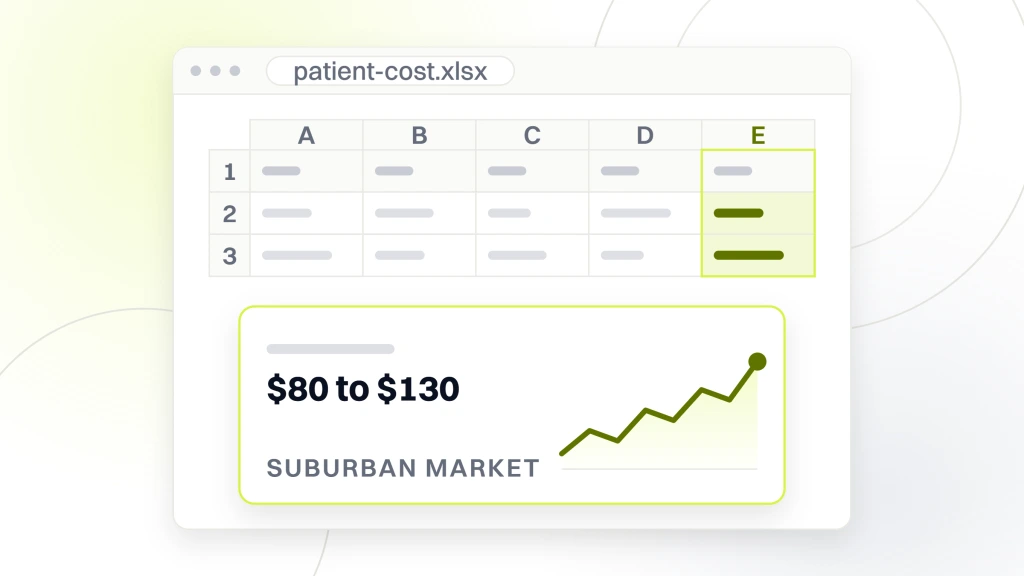
Dental practice PPC produces booked patients on a predictable calendar at a predictable cost. A well-run Google Search campaign at a two-provider general practice books 20 to 40 patients monthly on a $2,400 to $4,800 ad budget. Cost per booked patient sits at $80 to $130 in most suburban markets. Local Services Ads add another 5 to 15 patients monthly at $45 to $95 each. Median dental cost per lead across 101 cities in 2026 sits at roughly $88 per the MB Adv industry index, which lines up with the range we run.
That patient volume runs alongside organic, direct, and referral channels. It is the fastest inbound patient acquisition channel dental has, and the only one that scales with a dial rather than a calendar.
First booking timing on a new dental PPC account
First booked patients from a dental practice Google Ads account usually arrive 3 to 10 days after campaign launch. SEO takes 3 to 4 months to move the first patient. Practices that need bookings this quarter run PPC. Practices that want lower cost per patient in year two run SEO. Most established practices run both because the channels handle different jobs on the calendar.
Steady-state volume by budget and market
At $1,600 monthly spend in a suburban market, a general dental practice books 8 to 15 patients monthly. At $2,400, 15 to 25 monthly. At $3,600, 22 to 35 monthly. At $4,800, 28 to 45 monthly. Above $6,000 monthly, cost per patient usually grows unless the practice adds new geographic markets or service verticals. Suburban markets scale at a lower cost per patient than dense metros where cost per click can be 3 to 5 times higher.
Callout. If you inherit a dental PPC account and the reporting is 30 pages long but nobody in the office can name last month’s cost per booked patient, that is reporting theater. Ask the agency for one number this week.
Dental PPC guide to campaign types every practice should evaluate
Dental practice PPC covers four campaign types, each with a distinct job. Google Search catches patients already typing treatment queries. Local Services Ads catch patients ready to call now via map-pack visibility. Meta catches patients who have been putting off treatment and need a nudge. YouTube catches patients researching high-value procedures before booking. Most practices run Search plus Local Services Ads as the core, layering Meta and YouTube on later as the account matures. Sequencing is the single biggest variable that separates a working dental PPC guide from a wish list.
Do not run all four types at launch. Start with Google Search plus Local Services Ads for 60 to 90 days. Add Meta once cost per patient on Search stabilizes. Add YouTube last, and only if the practice sells implants, veneers, or Invisalign at scale. Practices that launched all four types at once usually burned 40% to 60% of the first quarter’s budget on channels the practice was not equipped to convert. See our dental ppc strategy guide for the full sequencing framework.
Google Search campaigns as the core
Google Search is the workhorse of dental PPC. Patients type dentist near me, emergency dental, Invisalign cost, and 40 to 80 other commercial-intent queries every day. A well-structured Search account has 4 to 8 campaigns, one per major service line, with tight ad groups by query type. Broad match with smart bidding works once the account has 30 plus conversions monthly. Phrase and exact match dominate the first 60 days when the algorithm needs signal.
Local Services Ads on the map pack
Local Services Ads sit above the map pack on mobile. Patients click to call directly. Cost per patient runs $45 to $95, roughly half of Google Search. Setup takes background checks, license verification, and insurance uploads over about two weeks, but Google Guaranteed status pays back inside 60 days. See our local services ads for dentists post for the full workflow.
Meta Facebook and Instagram campaigns
Meta targets patients who are not searching yet. Someone who has been putting off a cleaning for 18 months. A parent who realized the kids have not been to the dentist in three years. Someone considering Invisalign after seeing a friend’s results. Cost per lead runs $28 to $75. Cost per booked patient after qualification runs $95 to $180. See our dental facebook ads guide for the funnel structure that converts leads to bookings.
Dental PPC advertising budget math that fits your radius
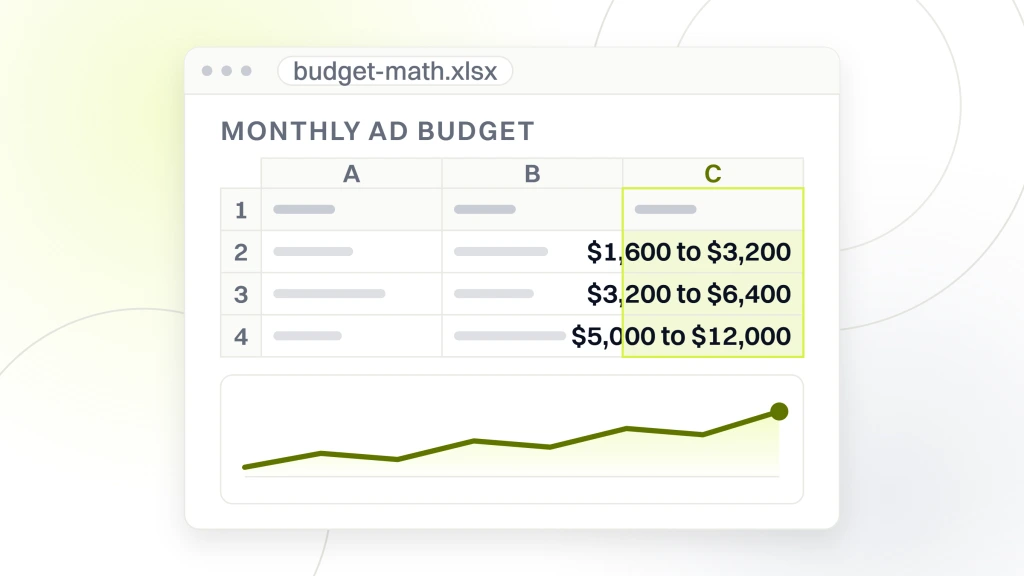
Dental practice PPC budgets scale with service radius and market density. A practice serving a 4-mile radius in a suburban market spends $1,600 to $3,200 monthly on Google Search plus LSAs. A practice serving a 15-mile radius in a mid-size metro spends $3,200 to $6,400 monthly. Dense metros like Manhattan, Los Angeles, or San Francisco run 2 to 3 times higher per click, so budgets sit at $5,000 to $12,000 for the same patient volume a suburban market delivers.
Under-budget dental PPC caps at whatever the smaller spend can carry. A $999 monthly dental Google Ads budget in a dense metro produces 4 to 8 booked patients monthly, which usually does not cover the retainer plus ad spend combined. The practical floor for meaningful patient volume runs $1,600 monthly in suburban markets and $3,200 monthly in metros. Below that, ad frequency and geographic reach never accumulate the impressions Google needs to optimize its bidding signal. See our dental marketing cost guide for full budget benchmarks by practice stage.
Callout. A $999 dental PPC budget in Manhattan books 4 to 6 patients monthly at best. The same $999 in a small town books 12 to 18 patients. Radius and density set the ceiling, not the pitch deck.
| Market type | Monthly budget floor | Expected bookings | Cost per patient |
|---|---|---|---|
| Small town, 8-mile radius | $1,200 to $1,800 | 10 to 20 monthly | $60 to $110 |
| Suburban, 6-mile radius | $1,600 to $3,200 | 15 to 30 monthly | $80 to $130 |
| Mid-size metro, 10-mile radius | $3,200 to $6,400 | 25 to 50 monthly | $110 to $180 |
| Dense metro (NYC, LA, SF) | $5,000 to $12,000 | 25 to 55 monthly | $150 to $280 |
Budget allocation across campaign types
Split the monthly budget across campaigns. 55% to 65% to Google Search. 20% to 30% to Local Services Ads. 10% to 20% to Meta once Search stabilizes. Zero to YouTube unless the practice sells implants, Invisalign, or veneers at scale. Practices that split budget evenly across all four channels usually saw cost per patient climb 40% to 80% because the algorithm signal was too thin on each channel.
Seasonality adjustments in dental PPC
Dental demand runs on a calendar. January and February carry insurance-reset traffic. Summer books family cleanings. November through mid-December runs the benefits-expiring push. Increase Google Search budget by 40% to 80% in those windows. Reduce by 20% to 30% in the July slow week and mid-January dip. Practices that flexed budget to seasonality saw same-budget bookings grow 15% to 25%.
Negative keywords that stop dental PPC waste
Every dental practice Google Ads account we audit inherits a negative keyword list of 20 to 60 terms and burns 25% to 40% of spend on broad-match queries triggered by job seekers, students, DIY treatment searches, competitor names, and product searches. A working negative list starts at 200 to 400 terms. Add 20 to 40 fresh negatives every month from the search terms report. Practices that maintain the list waste 20% to 35% less than practices letting the list go stale. This is where dental PPC without waste starts.
The starter list below covers the top waste categories on almost every dental account. Copy this list into every campaign as a shared negative list on day one. Review the search terms report weekly for the first 60 days and expand the list as new waste queries appear. See our dental google ads keywords guide for expanded starter negatives by service line.
- Job seeker queries. Dental jobs, dental hygienist salary, dental assistant hiring.
- Student queries. Dental school, dental hygiene program, dental board exam.
- DIY queries. Fix a tooth at home, DIY dental crown, temporary tooth glue.
- Product queries. Toothpaste, mouthwash, electric toothbrush, whitening strips.
- Competitor names. Aspen Dental, Bright Now Dental, Comfort Dental, plus local competitors by name.
- Free queries. Free dental care, free dental clinic, free tooth extraction.
- Insurance-only queries. Does insurance cover, dental insurance plans, Medicaid dental.
Callout. If your dental PPC account has fewer than 100 negatives, you are paying Google Ads to teach you which queries do not book patients. That tuition is 25% of last month’s spend.
Search terms report review cadence
Review the search terms report weekly for the first 8 weeks, then every 2 weeks for the rest of the year. Sort by cost descending. Any query with $50 plus spend and no conversion becomes a negative unless it makes sense as a new keyword with better targeting. Practices that run the weekly review for 8 weeks catch 80% to 90% of ongoing waste. Skip the review and cost per patient grows 15% to 30% per quarter as new waste queries accumulate.
PPC for dental practices landing pages that convert
PPC for dental practices lives or dies on landing page conversion. A great campaign sending traffic to a mediocre homepage wastes 40% to 65% of the click value. Every ad group needs a dedicated landing page that matches the search intent, promises the same offer as the ad, and gets the visitor to the form in one scroll on mobile. Practices that built five service-specific landing pages saw form-fill rate climb from 3.1% to 6.8% inside 30 days on the same ad spend.
The landing page pattern is not exotic. Above-the-fold three-field form. Insurance strip with 8 to 12 recognizable plans. Sticky click-to-call header. Social proof from real reviews with photos. Trust signals like years in business and provider credentials. That is the pattern that converts on dental. See our dental ppc landing pages guide for the wire frame that goes live on every account we take over.
One landing page per service you bid on
Dental implants ads land on a dental implants page. Invisalign ads land on an Invisalign page. Emergency dental ads land on an emergency dental page. Never send bidding traffic to the homepage. The homepage does not match search intent and Google Quality Score drops, which raises cost per click 30% to 80%. Practices that split five service-specific landing pages saw Quality Score climb from 5 to 8 average, cutting cost per click 25% to 40%.
Three-field form above the fold
Name. Phone. Reason for visit. That is the form. Do not ask for date of birth, insurance provider, preferred appointment time, or medical history on the first form. Those fields belong on the front desk follow-up call. Three-field forms convert 20% to 45% higher than long forms on dental sites. Lead quality across 40 plus dental accounts we run is the same or better, because visitors who fill a long form are usually researchers, not bookers.
Dental PPC services scope that actually gets paid work done
Dental PPC services from most agencies look identical on the pitch deck and diverge sharply in practice. The scope of work that actually produces booked patients is narrower than most agencies pretend. Six inputs matter monthly on a working dental practice PPC account. Search terms report review with negatives added. Bid strategy adjustments. Ad copy testing. Landing page conversion audits. Ad extension refresh. Campaign structure audits.
Everything else on a monthly report is filler. Reporting itself should be one page. Three metrics. One paragraph on what changed. If your current dental PPC services deliver a 30-page monthly PDF, you are paying for reporting theater. See our dental ppc management post for what actually happens monthly on a real account.
Callout. Weekly work on a healthy dental account totals about 95 minutes. Any agency logging 40 hours a month on one practice is either padding the invoice or spending the time on chart design.
Weekly work on a healthy dental PPC account
Search terms report review, 30 minutes. Negatives added, 15 minutes. Bid adjustments on top 10 keywords, 20 minutes. Ad copy performance check, 15 minutes. Landing page conversion rate check, 15 minutes. That is 95 minutes weekly per account, roughly 6.3 hours monthly. Any agency logging less than 4 hours monthly on the account is coasting. Any agency logging more than 12 hours monthly is either over-servicing or bill-padding.
Monthly deep audit for structural drift
Once a month, run a deep audit on campaign structure, ad group intent alignment, keyword match type distribution, ad copy relevance, and landing page speed. Structural drift creeps in as new campaigns launch, new keywords get added, and Performance Max recommendations get accepted automatically. Skip the audit and cost per patient climbs 15% to 30% per quarter as drift compounds.
Measuring dental PPC on numbers that decide budget
Measurement decides whether the dental practice Google Ads budget is producing or burning. Four numbers matter every week. Booked patients from PPC. Cost per booked patient. Impression share. Click-to-call rate. Every other metric is context. Click-through rate, average position, and quality score help diagnose problems but do not decide whether the program is working.
Track booked patients, not leads. A lead is a form-fill. A booked patient is someone the front desk confirmed on the calendar. The gap between the two is where most dental PPC accounts hide their real performance. See our dental marketing attribution guide for how to build the tracking spine that isolates PPC production from every other channel.
Pro tip. Confirm patients, do not count clicks
Ask the front desk to tag every new patient with the source at booking, not at first form-fill. A CallRail or WhatConverts number captures the call. The front desk tag captures the booking. Only patients that show up count in the cost per patient math. Practices that added this two-step confirmation saw reported cost per patient rise 10% to 20% on paper. That is not the account getting worse. That is the account getting honest.
Call tracking per campaign, not per account
Assign one call tracking number per campaign. CallRail, WhatConverts, or CallTrackingMetrics all handle the dental use case. Dynamic number insertion swaps the number for visitors from each campaign. This lets you see which service line, which geography, and which campaign type actually books patients. Practices that added campaign-level call tracking discovered 30% to 45% of what looked like Search calls were actually Local Services Ads calls with the wrong attribution. Reliable benchmarks come from Google Ads support documentation.
Impression share tracking on core keywords
Impression share on the top 20 keywords tells you whether the budget is right-sized. Below 40% means budget is too small for the demand. Above 85% means budget could grow, unless cost per click is at the ceiling. Practices that ran weekly impression share reviews caught budget misalignment 30 to 60 days earlier than practices reviewing monthly.
Common dental PPC mistakes that quietly waste budget
Every dental practice PPC audit we run surfaces 4 to 8 inherited mistakes that quietly cost the practice 25% to 45% of the ad budget. The mistakes are consistent across accounts. No dayparting. Homepage as landing page. Missing negative keywords. Performance Max on autopilot. No call tracking. No conversion tracking. Broad match without smart bidding. Fixing any three of the eight cuts cost per patient 15% to 30% inside 45 days.
Most of the mistakes trace back to the previous agency treating dental like any other vertical. Dental has specific patterns Google reads and specific audience behaviors that other verticals do not share. Dental is high-intent, high-consideration, high-anxiety, and geographically constrained. A generic PPC playbook misses those four constraints and produces the same 4 to 8 inherited mistakes on every account. See our dental ppc mistakes post for the full waste audit checklist.
Pro tip. Turn ads off after hours before anything else
Before you rewrite ad copy or reshuffle keywords, set an ad schedule that matches the phone-answering window plus a 30 minute buffer. Practices that did nothing except add dayparting cut cost per patient 15% to 28% inside 30 days on the same ad budget. It is the single highest-yield move on most dental PPC accounts and it takes eight minutes to apply.
No dayparting on ads outside answering hours
Most dental practices route calls to voicemail after 5 pm and on Sundays. Ads that run during those hours still burn budget on clicks that never convert. Set an ad schedule matching the phone-answering window plus 30 minutes on either side. Practices that dayparted their campaigns cut cost per patient 15% to 28% inside a month, with zero change to campaign structure or bids. If the practice has a 24-hour answering service, the rule does not apply. Everyone else, apply the schedule this afternoon.
Performance Max on autopilot without account signal
Performance Max is powerful when it has clean conversion signal to optimize toward. On a new dental account with no conversion history, Performance Max burns 30% to 55% of budget in the first 60 days on broad audience targeting that never converts. Run standard Search campaigns first for 90 days to build conversion signal. Only then layer Performance Max as a second campaign. Practices that launched Performance Max on day one saw cost per patient double compared to the same account running Search-first for the first quarter.
Dental PPC agency vetting before signing a contract
Vetting a dental PPC agency takes 90 minutes and saves 6 to 12 months of wasted retainer on the wrong partner. Ask five questions in order. Show me three dental client references I can call. Show me a sample monthly report from an active account. Which team member owns my account and how many others do they run. What is your process when cost per patient rises for two consecutive months. What is your policy on Performance Max, dayparting, and negative keyword lists.
Agencies that dodge any of those five questions are selling reporting, not booked patients. Smile Design Dentistry, a 50-plus location DSO, used a similar vetting process before engaging Redefine Web on multi-location PPC. The engagement delivered a 20% gain in PPC conversion rate and a 30% cut in cost per call across the network. That outcome depended on rigorous vetting up front and on rebuilding the account structure across every location before scaling budget. See our how to choose a dental google ads agency post for the full vetting workflow.
Pro tip. Ask for the one-page report before you sign
Ask the agency to send you the one-page monthly report format from an active account, client name redacted. Three metrics. One paragraph of narrative. If they cannot produce it inside 24 hours, they do not run one, which means they do not know last month’s cost per patient on their own accounts either.
Reference check on dental-specific accounts
Ask for three current dental client references. Not case studies. Named practice owners with real phone numbers. Call the references and ask what the agency does well, what they do poorly, and what the practice would do differently on hindsight. Practices that skipped the reference check usually discovered the agency’s dental experience was one practice from four years ago and the rest of the roster was law firms and plumbers.
Dental PPC scaling plan for practices ready to grow
Once the base dental PPC account is producing at a steady cost per patient, scaling the volume needs a specific plan. Doubling budget without changing structure usually doubles cost per patient because the added budget spills into lower-intent queries. The right way to scale adds structure first, budget second. Each of the four expansion moves below adds 15% to 40% booking volume without pushing cost per patient higher.
Practices at $2,400 monthly ad spend usually have room to scale to $4,800 monthly using this plan. Practices already at $4,800 usually have room to reach $8,000 to $10,000 with the same structural moves. Above $10,000 monthly, scaling usually requires opening new geographic markets or adding new service verticals. See our high roi dental google ads guide for scaling patterns that hold.
Add service-line campaigns before adding budget
Most dental PPC accounts start with 2 or 3 service-line campaigns and scale by adding budget to the existing ones. That caps at whatever the existing keyword universe can carry. Adding a new service-line campaign, say pediatric dentistry or dental implants, opens a new keyword pool with fresh auction dynamics. Practices that added 2 to 4 service-line campaigns to a base of 3 saw booking volume grow 40% to 70% inside 90 days without pushing cost per patient higher.
Expand geographic radius carefully
A practice serving a 6-mile radius can usually stretch to 9 or 10 miles without a big cost per patient jump if the market is suburban with sparse competition at the edges. Do not stretch past 12 miles without a satellite office. Patients that far away usually book once and never return, which wrecks lifetime value math. Practices that expanded aggressively saw show-rate drop 15% to 30% as patients discovered the drive was longer than expected.
Where this dental PPC guide leaves you
A working dental PPC account is not a mystery. Google Search plus Local Services Ads as the core. Dedicated landing pages by service. A 200 to 400 term negative list on day one. Dayparting to the phone window. One page of reporting monthly with three numbers. That is the pattern that books 20 to 40 patients monthly at $80 to $130 per patient in a suburban market, and 25 to 55 patients monthly at $150 to $280 in a dense metro. Apply the pattern and cost per booked patient drops 20% to 35% inside 45 days on the same ad spend. If you would like a second set of eyes on the account, our team runs a free 30-minute PPC audit that returns the top three waste categories and the fix order.
How much should a dental practice budget for PPC per month?
The floor for meaningful patient volume is $1,200 to $1,800 monthly in small towns, $1,600 to $3,200 in suburban markets, and $3,200 to $6,400 in mid-size metros. Dense metros like NYC, LA, and SF need $5,000 to $12,000 monthly to hit similar patient volume because cost per click runs 2 to 3 times higher. Below the floor, ad frequency and geographic reach never build the algorithm signal Google needs. This dental PPC guide recommends matching budget to service radius and market density before signing any agreement.
How long does this dental PPC guide take to produce booked patients?
First booked patients from dental PPC usually arrive within 3 to 10 days of campaign launch on Google Search and Local Services Ads. That is the fastest inbound patient acquisition channel dental has. SEO takes 3 to 4 months for the first booking. Meta and YouTube take 2 to 4 weeks after launch because the algorithm needs conversion signal before optimization kicks in. Steady-state volume on Google Search typically stabilizes in weeks 4 to 8 as the account accumulates conversion data.
What is the difference between dental PPC and dental SEO?
Dental PPC produces bookings today at a known cost per patient. Dental SEO produces bookings starting month 4 at a declining cost that compounds over years. PPC has a fixed budget every month and produces a proportional number of bookings. SEO has a fixed retainer and produces increasing bookings as content, links, and rank compound. Most established practices run both. This dental PPC guide covers the short-term volume side. SEO builds the long-term acquisition engine at lower cost per patient.
Which dental PPC campaign type should we start with?
Start with Google Search plus Local Services Ads. Run both for 60 to 90 days before adding any other campaign type. Google Search targets patients actively searching for treatments. Local Services Ads target patients ready to call now with map-pack visibility. Together these two campaigns cover the highest-intent traffic in dental at the lowest cost per patient. Add Meta once Search cost per patient stabilizes and the account has 30 plus monthly conversions. Add YouTube last, only if the practice sells implants, veneers, or Invisalign at scale.
How do we cut waste in an existing dental PPC account?
Start with three moves. First, run the search terms report for the last 90 days, sort by cost descending, and add every query with $50 plus spend and no conversion as a negative. Second, set an ad schedule that matches the phone-answering window plus 30 minutes on either side. Third, split any campaign sending traffic to the homepage into service-specific campaigns landing on dedicated pages. Those three moves alone typically cut cost per patient 20% to 35% inside 45 days on the same total spend.
Can a dental practice run PPC in-house without an agency?
A practice with an experienced office manager and 6 to 10 hours weekly of dedicated ad time can run 50% to 65% of the work in-house. The remaining 35% to 50%, campaign structure design, bid strategy management, landing page conversion audits, and advanced negative list building, usually needs outside help. In-house PPC works for solo practices at a $999 to $1,800 monthly ad spend where the office manager has capacity. Above $2,400 monthly ad spend or 3 plus provider practices, an agency typically pays for itself in reduced cost per patient.
Are Local Services Ads worth it for dental practices?
Yes for most practices, no for a few. Local Services Ads sit above the map pack on mobile and cost $45 to $95 per booked patient in most markets, roughly half of Google Search cost per patient. Setup takes background checks, license verification, and insurance uploads, which runs about two weeks the first time. The Google Guaranteed badge raises click-to-call rate 15% to 40%. LSAs do not work well in markets with 3 or fewer dental listings because the auction is thin and impression share becomes unpredictable. LSAs also do not fit cosmetic-only practices where patient intent skews toward research over immediate calling.