
A fashion web design agency wins or loses on the small details generalist shops never learn to catch. Picture a three-year-old apparel label carrying 240 SKUs. The founder opens Google Analytics on a Tuesday morning and stares at a 41% drop in checkout completion since the last theme rebuild. Homepage looks beautiful. PDPs render fast. Meta spend is holding steady. The real problem hides inside a filter that buries size 8, a size-guide modal that opens behind the sticky add-to-cart button on iPhone 12, and a size chart PDF from 2022 that no longer renders on the current Shopify theme.
This guide walks the fashion web design agency stack we run for apparel and accessories brands across Shopify, Shopify Plus, and headless builds. Six moving parts. The Shopify versus custom decision, editorial product detail pages, size-guide UX, filter architecture, mobile-first patterns for Instagram traffic, and the retainer math on partner cost against in-house cost. See the apparel and fashion marketing hub for the wider industry framing that pairs with the build stack below.
What a Fashion Web Design Agency Does for Apparel Brands
A fashion web design agency builds and runs apparel storefronts using the specific patterns clothing and accessories catalogs need. Editorial PDPs. Look-book pages. Size-guide UX. Variant swatches. Filter architecture. Checkout tuning. Plus mobile-first design across every viewport, since 74% of the traffic arrives from Instagram, TikTok, or Pinterest on a phone.
Generalist agencies rarely run all six patterns at once. The typical Shopify build shop covers the theme install and light customization, hands off to the brand’s marketing coordinator, and leaves the operational discipline unbuilt. That gap is why the same apparel brand keeps rebuilding the storefront every 18 months instead of compounding through year three.
The scope covers merchandising decisions Google reads as ranking signals and shoppers read as trust signals. Sort order on collection pages. Sold-out variant handling. Restock notifications. Related product blocks that use lifestyle photography instead of ghost-on-white shots. Season-specific homepage rotations tied to the drop calendar. Each one either helps or hurts conversion and organic ranking on a fashion catalog. A store that treats these as afterthoughts leaves 12 to 22% of revenue on the table across a typical fiscal year, and the leadership team rarely traces the number back to the theme decision that caused it.
A real fashion web design agency carries the workflow discipline apparel brands need across seasonal drops. Look-book photography guides that align with the theme’s grid system. PDP copy templates that a coordinator can fill in without breaking the layout. Variant SKU naming conventions that keep the filter working when the catalog doubles. A launch checklist that carries every drop with a working size chart, a working restock flow, and a working PDF fallback. That operational layer is what separates a fashion web design agency from a generalist agency that happens to have built a clothing store once. Read our sibling guide on fashion marketing agency for DTC apparel brands for the paid and organic side that pairs with this build stack.
Founders scoping a magazine-style journal for their apparel storefront should read our guide to fashion blog web design for the grid patterns, look-book templates, and shop-the-look integration that turn an editorial channel into a real revenue line.
Studios weighing the visual hierarchy, editorial pacing, and Instagram landing decisions in a rebuild can read the deeper cut on web design for fashion for the five principles that separate a considered fashion brand site from a template stack.
Founders comparing sourcing routes and rate cards before signing should read our guide to hire fashion web designers for the scope template, portfolio filter, and paid-trial rubric that front-load the hiring risk.
For the PDP layout, size chart, filter architecture, and checkout patterns behind apparel stores that convert, see our fashion ecommerce web design build spec with the seven-zone PDP and exchange-in-checkout logic our pod runs.
Shopify vs Custom Builds for Apparel and Accessories Storefronts
The first real decision every fashion web design agency walks a client through is Shopify versus custom. Both paths produce successful apparel storefronts. The trade-offs sit in different spots. Shopify wins on time to launch, ecosystem apps, checkout infrastructure, and Merchant Center integration. Custom wins on brand-specific interaction design, deep personalization, editorial layouts, and full theme control end to end. The wrong pick costs the brand 6 to 12 months of rework inside the second year. Read our fashion designer web page portfolio and brand site guide for the block-level structure independent labels use to book buyer meetings from a modest domain.
Shopify carries roughly 68% of the fashion DTC catalogs we audit in the six-figure to eight-figure revenue band. Shopify Plus carries most of the nine-figure catalogs. WooCommerce shows up on brands migrating from an older WordPress marketing site. Custom Next.js or Remix builds on Shopify Hydrogen or Medusa show up on brands with editorial-first design goals that a stock Shopify theme cannot render at the quality the founder wants. Each stack fits a specific brand stage. Picking the wrong one usually shows in the theme customization backlog inside 18 months.
When Shopify or Shopify Plus Wins for a Fashion Web Design Agency Build
Shopify wins for apparel brands under $8 million in annual revenue that need a fast launch, standard checkout, and access to a mature app ecosystem for reviews, subscriptions, and loyalty. Shopify Plus wins in the $8 million to $60 million range where the brand needs script editor customization on checkout, higher API limits, and multiple storefronts for international markets. Above $60 million the brand starts weighing headless architectures against the constraints Shopify’s monolith imposes on editorial-first design patterns.
When a Custom or Headless Build Wins
Custom builds win for luxury and editorial brands where the design ambition exceeds what Shopify’s Liquid templates can render without expensive theme hacking, covered in our luxury fashion ecommerce web design trends 2026 primer. A brand like Passion Built, which runs a Shopify Hydrogen headless stack on Next.js, gains full control over PDP layout, look-book editorial pages, and the transition animations that define the brand feel. The trade-off runs $80,000 to $220,000 for the initial build against a $12,000 to $35,000 Shopify theme customization. The headless path pays off past the second fiscal year on brands that keep design at the center of the storefront experience.
Editorial PDPs and Look-Book Pages That Convert Fashion Shoppers
Editorial product detail pages carry the highest revenue impact of any design surface a fashion web design agency touches. The stock Shopify PDP shows one hero image, a price, a variant picker, and a description block. Fine for commodity goods. Weak for apparel, where the shopper needs to see how the piece drapes. A fashion web design agency rebuilds the PDP so it drapes, how it pairs with other items, and what the fit reads like on a real body. Editorial PDPs rebuild the page around that specific shopper question.
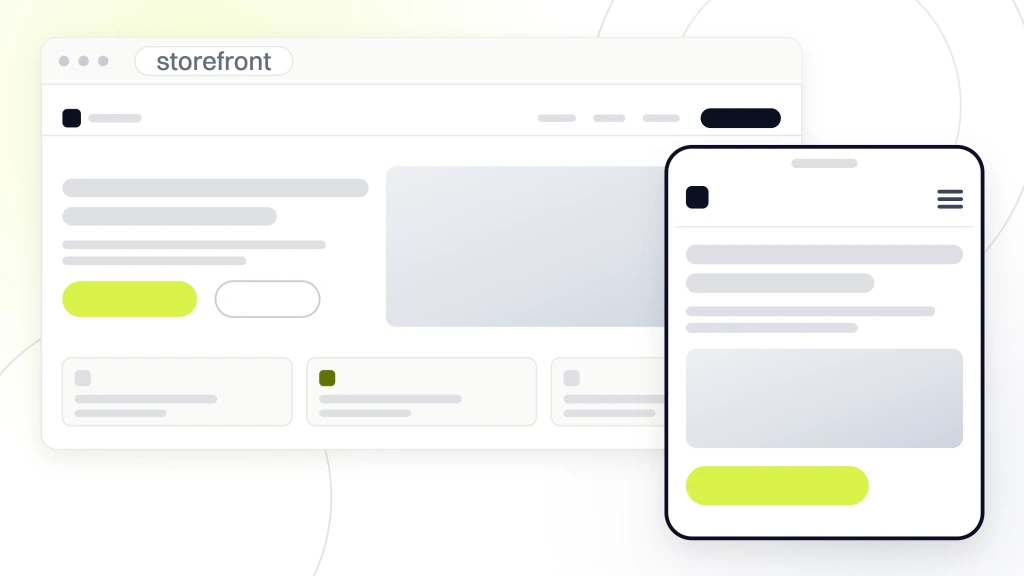
The editorial PDP pattern carries 5 assets the stock template skips. A 4 to 6 image lifestyle carousel showing the piece on a model in real settings. A styling block that pairs the piece with 3 or 4 other items in the catalog, each linked to its own PDP. A fabric and care section written by the brand rather than pulled from the supplier spec sheet. A model detail line that names the model’s height, size worn, and body type so the shopper can calibrate fit. A UGC block pulling real customer photos through a tool like Foursixty or Okendo. The pattern raises PDP conversion by 18 to 34% versus the default template on the 6 brands we have measured this on.
Look-Book Pages as Category Landing Alternatives
Look-book pages sit alongside collection pages in a proper fashion storefront architecture. A collection page ranks in Google and drives category-level intent. A look-book page tells a season or a mood story and drives Instagram traffic into a curated purchase path. Rowing Blazers, an apparel brand that pushed look-book pages alongside the standard collection grid, saw noticeably longer on-site engagement once campaign editorial pulled the shopper past the collection tile grid into a curated purchase path. Apparel brands with a strong campaign photography budget see similar gains when the storefront treats those photos as a first-class content type rather than a homepage banner rotation.
Size-Guide UX That Reduces Returns and Cart Abandonment
Size-guide UX is the single biggest returns and abandonment lever most apparel storefronts still ignore. Fashion return rates run 25 to 40% in categories like dresses, denim, and outerwear, and roughly 65% of those returns cite fit as the primary reason. A well-designed size-guide flow prevents the return before it happens by matching the shopper to the right size on the first purchase. That work saves the brand $9 to $22 per prevented return depending on category and shipping economics.
The pattern that works on mobile puts the size-guide button next to the size selector, opens the guide as a full-screen sheet on click, and shows a size predictor tool that asks for 2 or 3 body measurements plus fit preference before recommending a size. Tools like Kindly, Fit Analytics, or True Fit deliver this out of the box on Shopify. Custom builds render the same pattern in native code. The size-guide sheet stays open long enough for the shopper to note their measurements, then dismisses cleanly back to the PDP without losing scroll position. Missing that scroll-return alone drops the size-guide interaction rate by 40% on the theme audits we run.
Category-Specific Size Guides a Fashion Web Design Agency Ships
Category-specific size guides a fashion web design agency builds beat a single site-wide guide by roughly 3 to 1 on conversion. A denim size guide asks for waist, inseam, and rise preference. A dress size guide asks for bust, waist, and hip. A shoe size guide asks for foot length in centimeters plus half-size preference. A knitwear size guide asks for fit preference alongside standard measurements. The tools that push one universal guide across every category confuse shoppers, and the interaction rate on the guide drops accordingly. Splitting the guide into 3 or 4 category variants usually takes a developer under 2 days and pays back inside the first month on return rate savings alone.
Filter Architecture That Matches How Fashion Shoppers Browse
Filter architecture is the second-biggest revenue lever on a fashion collection page after product photography. Shoppers browsing apparel filter differently than shoppers browsing commodity goods. They filter by size first, then color, then price, then material. Storefronts that put price and category filters above size lose 8 to 15% of collection page revenue to the friction of shoppers scrolling past irrelevant filters to find their size.
The pattern that works on mobile places a single filter sheet accessible from a sticky top bar on the collection page. Size sits at the top. Color follows with visual swatches instead of text labels. Price sits third with a two-handle slider. Material sits fourth. Sort order sits at the very top of the sheet as a compact dropdown. Applying filters updates the product grid inline without a page reload. That pattern raises collection page conversion by 6 to 11% versus the sidebar-plus-top-bar hybrid most Shopify themes carry by default. Read our ecommerce web design trends 2026 guide for the wider pattern set that pairs with fashion-specific filter work.
Faceted Navigation and SEO Trade-Offs
Faceted navigation carries an SEO trade-off every fashion web design agency has to weigh. A collection page with 12 filters generates thousands of possible URLs. Google indexes those URLs by default and dilutes ranking signal across duplicate variants. The clean pattern canonicalizes every faceted URL back to the primary collection page and blocks deep filter combinations in robots.txt. Shoppers still see the filtered view. Google only indexes the canonical. A mid-market denim brand we audited last year doubled non-branded organic revenue after cleaning up faceted URL handling and rebuilding category page depth on the top 8 collections. Fashion brands hit the same pattern when they respect the canonical discipline instead of leaving Google to crawl thousands of filter permutations.
Mobile-First Design for Instagram and TikTok Traffic
Mobile-first design is the starting posture for any fashion web design agency working with Instagram-heavy brands. Fashion DTC traffic runs 71 to 84% mobile depending on the category and the paid mix. Instagram links open in the in-app browser, which behaves differently than mobile Safari or Chrome. TikTok traffic drops the referrer entirely and forces the brand to rely on UTM tagging for attribution. A storefront designed for desktop first and adapted to mobile loses the mobile shopper before the PDP ever loads.
The mobile-first pattern reserves the top 90% of the viewport for content and pushes navigation into a bottom sticky bar or a top hamburger with an aggressive touch target. Hero video autoplays muted and pauses on scroll away. Product cards use a two-column grid with visual swatches under the price. The sticky add-to-cart button on the PDP stays out of the size-guide button’s touch zone. Typography scales to at least 16 pixel base to avoid the iOS zoom trigger that breaks the sticky header. Every one of those choices reads as an obvious detail after the fact, and every one of them shows up as a broken pattern on the Shopify themes we audit weekly.
Speed for Mobile Fashion Traffic a Fashion Web Design Agency Tunes
Speed on mobile matters more for fashion than for most verticals since the shopper arrived from a social feed and is one thumb-swipe away from leaving. Largest Contentful Paint under 2.5 seconds. Interaction to Next Paint under 200 milliseconds. Cumulative Layout Shift under 0.1. On a Shopify fashion store, the wins usually come from converting hero campaign imagery to WebP under 140 kilobytes, deferring the review widget below the fold, cutting the theme’s app injections to the 4 apps used on the PDP, and removing the third-party font loader that loads with 60% of Shopify themes. A store scoring 34 on mobile PageSpeed can usually reach 76 to 84 within 2 weeks of focused work without a full rebuild.
Checkout Optimization for Fashion Cart Abandonment Rates
Checkout optimization carries more weight in fashion than in most ecommerce verticals since cart abandonment on apparel runs 74 to 82%, higher than the ecommerce average by 4 to 8 points. Shoppers add to cart to save the item, check the shipping cost, and leave. Any storefront a fashion web design agency inherits with friction on shipping visibility, guest checkout, or wallet payment methods loses more of that intent than an electronics store with the same friction pattern would.
The pattern that works surfaces the shipping cost on the cart page before checkout starts, offers Shop Pay and Apple Pay as express options on the first checkout screen, enables one-page checkout where the platform allows it, and skips optional fields on the guest checkout path. Shopify Plus brands can install a checkout extension that pulls shipping to the cart automatically. Standard Shopify brands can use apps like Rebuy or Bold to preview shipping on the cart. Custom builds render the same pattern in native code. Recovering even 3% of abandoned carts through this work moves revenue by 5 to 9% on a mature fashion catalog. Read our ecommerce web design and development services guide for the developer scope that runs the checkout work alongside the design side.
Wallets, BNPL, and International Payments
Wallet payments and buy-now-pay-later options carry outsized weight on fashion checkout. Shop Pay, Apple Pay, and Google Pay together account for 38 to 52% of successful checkouts on the Shopify fashion stores we audit. Klarna and Afterpay add another 8 to 14% of orders, weighted toward the $80 to $220 price band where the four-payment split reads as friction reduction rather than debt. International storefronts add local wallet methods like iDEAL for the Netherlands, Bancontact for Belgium, and Alipay for cross-border China orders. Missing any of these on a market the brand ships to costs measurable revenue, and the checkout audit catches most of the misses inside the first week.
Speed, Core Web Vitals, and Theme App Sprawl
Speed and Core Web Vitals touch both rankings and revenue on a fashion storefront. Google uses the metrics as ranking signals. Shoppers use load time as an abandonment signal. Storefronts running heavy Shopify apps, campaign video autoplay, un-optimized hero photography, and third-party pixels routinely score under 38 on mobile PageSpeed Insights. That score loses ranking and revenue at the same time. The fix stack is well-mapped and the wins usually show inside 2 weeks.
App sprawl on Shopify is the pattern that eats fashion store speed. A typical apparel brand runs 28 to 46 installed apps by the third year of operation. Each app injects JavaScript, CSS, or third-party requests on every page load whether the app runs on that page or not. The audit lists every app, tags each as required or optional, and disables the optional ones for a 14-day measurement window. Fashion brands routinely drop 900 kilobytes of JavaScript this way and pick up 10 to 16 mobile PageSpeed points without touching a line of theme code. The web.dev Core Web Vitals documentation covers the target thresholds and the measurement tooling every fashion web design agency should run against a storefront during onboarding.
Image Discipline on Campaign-Heavy Storefronts
Image discipline is the single largest performance wound on fashion catalogs. Campaign photography arrives from the creative team at 4,800 pixels wide and 12 megabytes per file. The theme sends those files to mobile shoppers unchanged, and the LCP metric collapses. The pattern that works pipes every image through Shopify’s image transformation URL parameters or through Cloudflare Images at build time, converts to WebP under 140 kilobytes on the shortest side, and serves responsive srcset variants for phone, tablet, and desktop viewports. That single change usually recovers 8 to 14 PageSpeed points on the collection pages and 6 to 10 points on the PDP without a design compromise.
SEO Foundations Every Fashion Web Design Agency Sets Up
SEO foundations get baked in at the theme build stage or they never get done at all. Retrofitting Product schema, category page depth, and canonical discipline onto a fashion storefront 6 months after launch costs 3 to 5 times what the same work would have cost inside the initial build. A fashion web design agency worth hiring sets the foundations during the theme sprint so the storefront ranks from day one instead of playing ranking catchup through year two.
The foundations cover 8 surfaces. Clean URL structure with descriptive slugs. Product schema with price, availability, and variant handling on every PDP. Category page schema for BreadcrumbList and CollectionPage. A 300 to 600 word intro paragraph on every collection page above the product grid. A 500 to 900 word buying guide section at the bottom of top-priority collection pages. Canonical tags that respect faceted URL patterns. XML sitemap discipline that excludes cart, checkout, and filter URLs. Alt text on every product image using the product name plus attribute rather than the generic filename. Read our ecommerce SEO services guide for the wider ranking stack that pairs with fashion-specific theme foundations.
Structured Data a Fashion Web Design Agency Builds Into the Theme
Product schema on a fashion PDP includes fields most stock templates skip. Color as a Product.color property. Size as offers with different variants, each carrying its own price, availability, and SKU. Material as Product.material. Gender or age category as audience. Image array with every variant photo. AggregateRating pulled from real reviews only. Brands that skip variant-level schema drop rich result eligibility on the size and color rows shoppers search on. Fixing this at the theme layer takes a developer half a day per template and pays back inside 2 crawl cycles as rich result impressions start showing on branded and non-branded queries.
Design Workflow and Look-Book Production Cadence
Design workflow is what separates a fashion web design agency that launches once and walks away from a partner that keeps the storefront current across seasonal drops. Fashion catalogs turn over faster than any other DTC vertical. A ready-to-wear brand pushes 4 to 8 collections per year. Each collection needs new PDPs, new collection pages, new campaign imagery on the homepage, new look-book pages, and often new landing pages for paid campaigns. Without a workflow, the theme team burns out or the drops go live late.
The workflow that holds through year 2 of a partnership standardizes 3 things. A design system with locked components for PDP, collection, look-book, and homepage modules. A content template inside Figma that a brand coordinator can fill in without touching code. A pre-launch checklist that walks every drop with a working size chart, a working restock flow, working schema, and a working PDF fallback for accessibility. That three-part system takes 3 to 6 weeks to build at the front of a partnership and saves 40 to 60 hours per drop through year 2.
Photography Guidelines That Match the Theme
Photography guidelines get set during the theme build and enforce every seasonal drop. Aspect ratios for hero, PDP carousel, look-book, and thumbnail. Color grading targets that stay consistent across seasons. Model diversity guidelines that reflect the brand’s target audience. Ghost mannequin versus on-model rules per category. File size caps for delivery to the ecommerce platform. Brands that give the theme these rules on day one avoid the second-year rebuild where the photography drifted so far from the original guidelines that the theme no longer holds visual coherence. Reformation, a womenswear brand that rebuilt around tighter photography guidelines and a consistent grading target across seasons, saw the storefront hold visual coherence through drops without theme rewrites. Fashion brands see similar gains when the theme and the campaign photography stay in lockstep across seasons.
Comparing In-House and Fashion Web Design Agency Paths
Every apparel brand weighs in-house design and development against a fashion web design agency at least once. The comparison below maps the two paths against real cost, real capability, and the tasks each path covers well. Read the table before scoping the hire.
| Task | In-house feasibility | Agency feasibility | Note |
|---|---|---|---|
| Editorial PDP design | Low | High | Needs fashion-specific design language |
| Size-guide UX build | Medium | High | Requires tool integration plus category variants |
| Filter architecture on Shopify | Low | High | Needs merchandising plus theme code |
| Product schema variants | Low | High | Requires Liquid or headless developer |
| Core Web Vitals tuning | Low | High | Needs Shopify performance specialist |
| Look-book page templates | Medium | High | Depends on in-house design capacity |
| Seasonal drop workflow | Medium | High | Needs system plus content coordinator |
| Monthly reporting cadence | High | High | Either path works |
An apparel brand with a marketing coordinator and one designer on staff can carry the bottom two rows and part of the sixth row. The remaining five rows usually need a specialist partner or the work does not happen consistently enough to move revenue. Brands running multi-region storefronts, wholesale plus DTC hybrids, or headless architectures almost always benefit from an agency once the coordination overhead exceeds what a solo hire can carry alone.
The math on cost tells a similar story. An experienced in-house Shopify developer with fashion experience lands at $105,000 to $145,000 per year fully loaded, before tools, without editorial design or performance specialist coverage baked in. A fashion web design agency retainer runs $199 to $499 per month at Redefine Web for the maintenance tier, and larger project builds land at our SMB $2,500, $4,500, or $7,500 web design tiers depending on catalog depth. Full custom builds start at $12,000+ for headless or Shopify Plus stacks. Brands that only need the bottom two rows save money in-house. Brands that need the top five rows almost always save money on retainer with a partner. Our retainers typically run on a six-month contract so the design system, workflow, and reporting cadence get built rather than started and abandoned inside the first quarter.
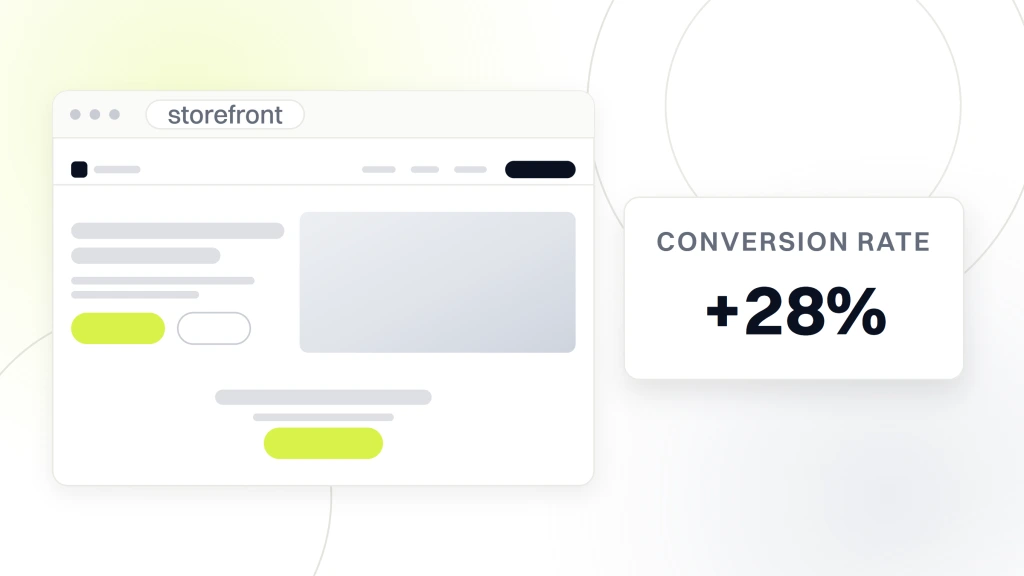
One data point from our ecommerce retail work worth pairing with fashion web design agency scoping. A print-and-ecommerce catalog client we ran through a paid + organic rebuild saw sales climb 200% within 18 months once the storefront, ad targeting, and category page depth moved in sync. A separate ecommerce rebuild client saw conversion rate climb 28% after the site rebuild and performance optimization pass. Fashion catalogs hit similar curves when the six-part stack in this guide gets sequenced correctly.
Measuring Real Revenue From Fashion Storefront Work
Measurement is what decides whether a fashion web design agency partnership continues past the first contract. Vanity metrics like homepage bounce rate rarely predict revenue outcomes on an apparel catalog. The metrics that matter track PDP conversion rate by traffic source, add-to-cart rate on the collection pages, size-guide interaction rate, checkout completion rate on mobile, and revenue per session split by drop cohort. Brands that agree on those five upfront save six meetings a year and steer the retainer honestly.
The reporting stack pulls GA4 with ecommerce tracking enabled, Shopify or WooCommerce revenue by traffic source, Hotjar or Microsoft Clarity session recordings for qualitative signal, and paid platform data from Meta and TikTok for attribution against the theme changes. The Nielsen Norman Group ecommerce UX research library covers the checkout, PDP, and navigation heuristics every fashion web design agency should benchmark against during a theme audit. Read our sibling ecommerce web design pricing guide for the honest pricing bands that pair with fashion-specific scoping.
The Five Metrics That Move Storefront Budget
- PDP conversion rate split by mobile and desktop traffic source
- Add-to-cart rate on the top 10 collection pages tracked in GA4
- Size-guide interaction rate as a share of PDP sessions
- Checkout completion rate on mobile against a desktop baseline
- Revenue per session split by drop cohort across the last four drops
Monthly reporting works for most apparel brands. Weekly invites noise. Quarterly invites drift. Monthly gives the founder or marketing director enough signal to steer the retainer without burying the design team in reporting overhead. The report opens with the five metrics above, closes with the fix log from the month, and adds the priority backlog for the next 30 days. Any format tighter misses signal. Any format looser turns into a slideshow nobody reads inside the leadership team.
Where a Fashion Web Design Agency Fits the Apparel Stack
A fashion web design agency sits underneath every other apparel customer acquisition channel. Paid social costs less when the PDP converts at 4% instead of 2%. Email flow revenue compounds when the checkout completes at 82% instead of 68%. Organic search rankings climb when collection pages carry depth and canonical discipline. Returns cost less when the size-guide interaction rate stays above 24% of PDP sessions. Everything reinforces everything else once the six moving parts are working in the same direction across the storefront.
The proof case worth studying. Passion Built, a heritage apparel brand that partnered with a design specialist for a Shopify Hydrogen headless build, kept the editorial design ambition of a custom stack and gained the app ecosystem and checkout infrastructure of Shopify Plus. The rebuild carried through year 2 with a design system that stayed coherent across seasonal drops and a PDP conversion rate that held above the industry benchmark on mobile. The lesson generalizes. Brands that treat the storefront as a first-class product with the same seriousness as the physical product run a website that compounds through year 3. Brands that treat the storefront as a marketing artifact run one that stalls inside 18 months and rebuilds by year 3.
A partner earns their retainer by carrying the specialist work in-house teams rarely have capacity for. Editorial PDP design across seasonal drops. Size-guide UX with category-specific variants. Filter architecture that respects fashion-specific browse patterns. Product schema with variant coverage. Mobile-first pattern discipline for Instagram and TikTok traffic. Look-book page templates the coordinator can fill in without breaking layout. Checkout tuning across wallets and international payments. Redefine Web runs this stack for apparel and accessories brands across categories. See the apparel and fashion marketing retainer page for how the engagement is scoped. The Smashing Magazine ecommerce library is the outside read every design lead on the brand side should keep on hand as the wider ecommerce build framing evolves through 2026.
Start with a storefront audit. Score the PDP, collection, size-guide, filter, mobile, and checkout patterns against the six-part framework in this guide. Circle the four biggest misses. Estimate the design impact and the developer hours for each. That map is the next 90 days of fashion web design agency work in priority order. Apparel and accessories brands ready to hand this to a partner can talk with our team about scoping the engagement that fits a Shopify, Shopify Plus, WooCommerce, or headless stack. The work compounds when the six moving parts move together, and the honest math on retainer versus in-house almost always favors a specialist partner past the first million in annual revenue. Our deeper read on digital marketing for fashion brands covers the channel mix apparel brands run against the drop calendar.